[Most Recent Entries] [Calendar View]
Tuesday, February 23rd, 2016
| Time | Event | ||||||||||||||||||||||||||||||||||||||||||||||||||||||||||||
| 9:00a | AMD Expands G-Series Embedded SoCs with Excavator Microarchitecture
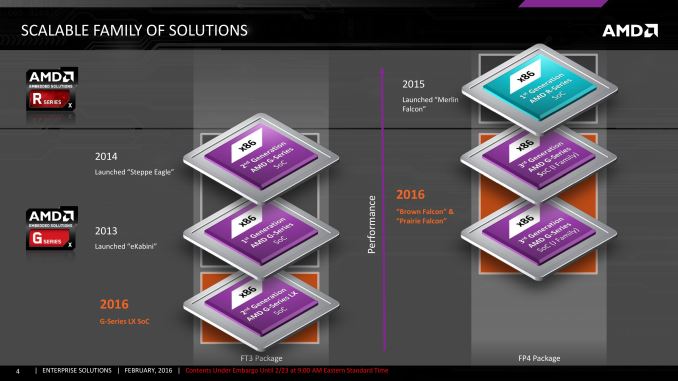
Back in October 2015, AMD’s embedded business unit announced the first SoCs from AMD using DDR4, combining AMD’s Excavator cores found in the Carrizo notebook platform but fully integrated solutions focused at digital signage, medical, military, and other verticals. These were essentially Carrizo laptop parts validated slightly differently, in a variety of configurations using DDR4, and high performance by the R-series moniker. Today’s announcement is that the G-Series SoCs, the lower performance members of the stack, will also be transitioning to Excavator.
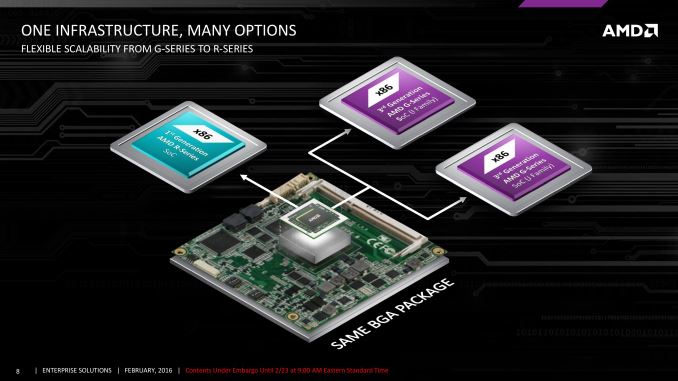
Both the FT3 and FP4 platforms will have new pin-compatible parts with 10-year life cycles: for the FT3 package this is the lower-power G-Series LX, based on Jaguar, and in FP4 this is ‘Brown Falcon’ and ‘Prairie Falcon’, being the I-Family and the J-Family of the G-Series respectively using Excavator.
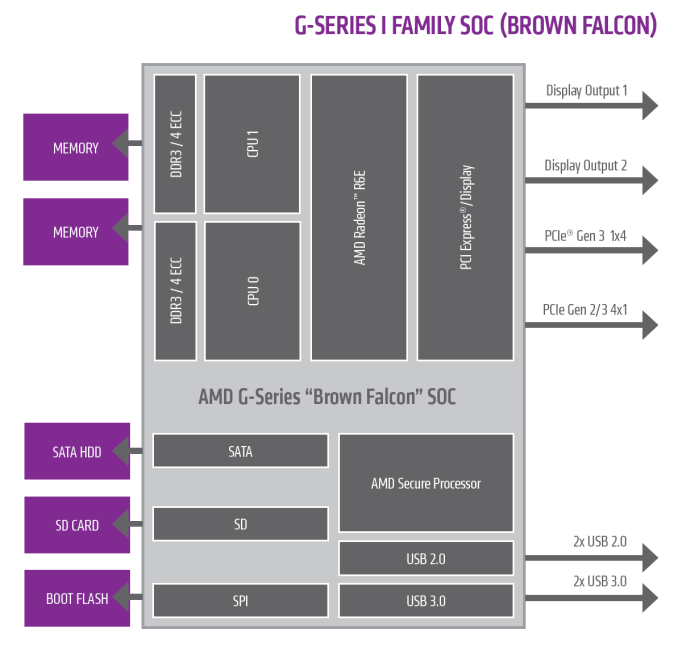
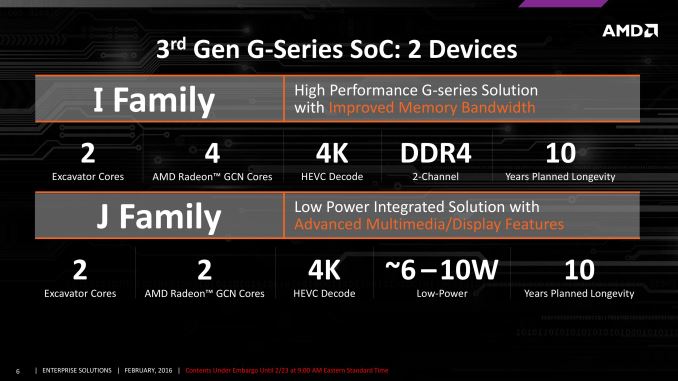
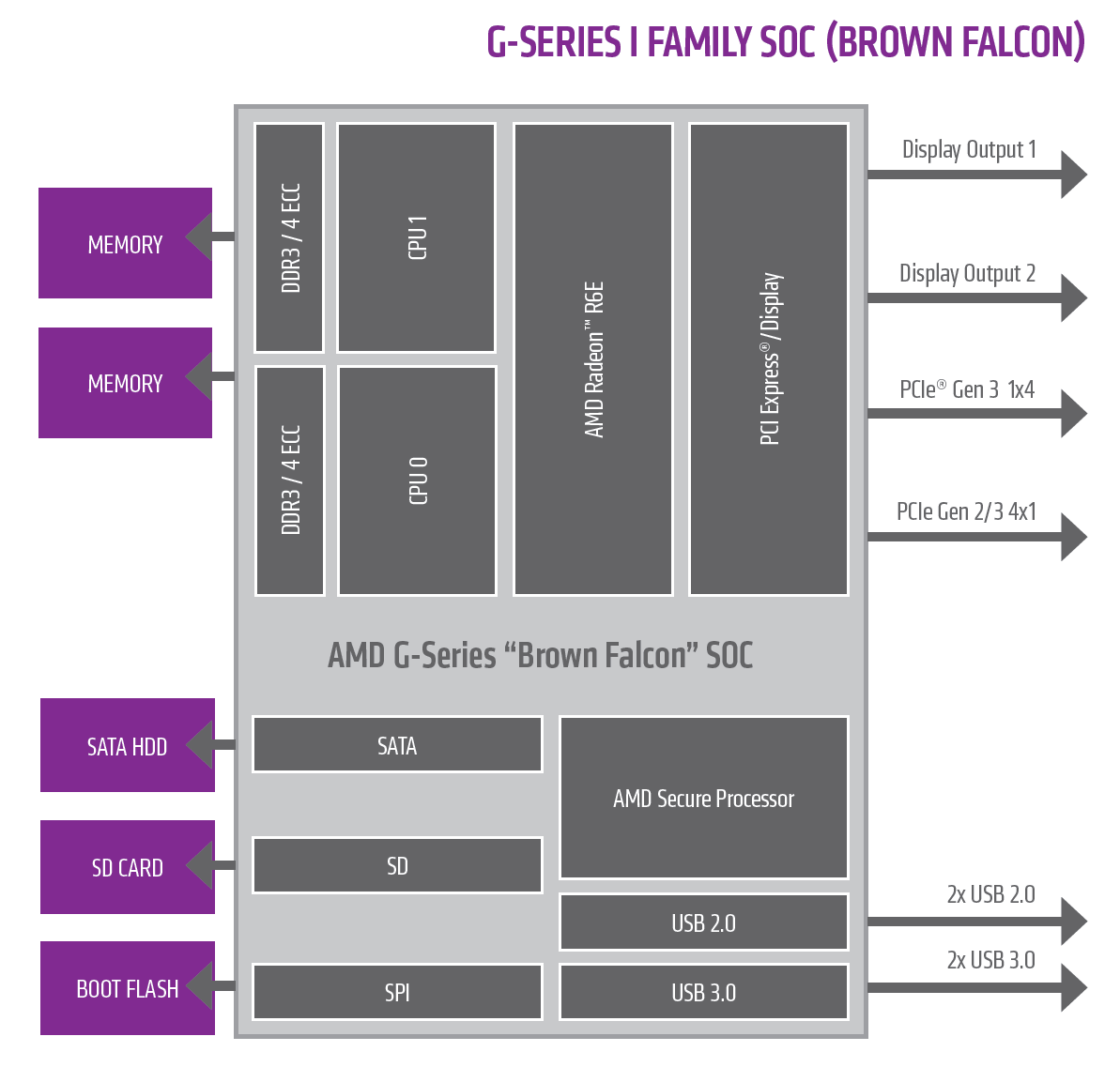
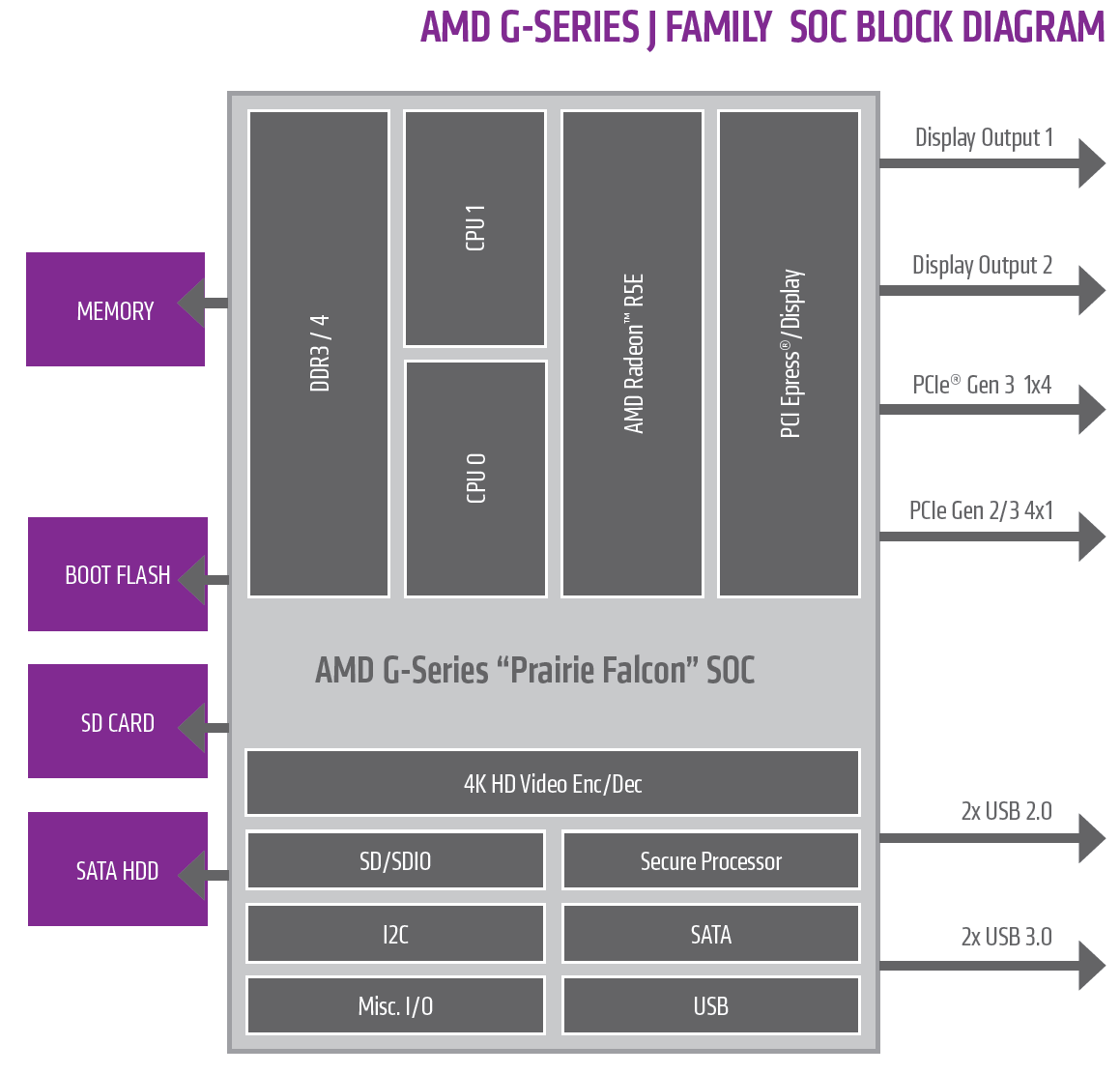
The two families of G-Series are split in more ways than just performance. The I-Family use two Excavator cores (one module) and 4 GCN compute units (256 SPs) with dual channel DDR3/4 memory and 12-15W using a configurable TDP. The J-Family in contrast are lower power, using half as many GCN compute units (128 SPs), with single channel DDR3/4 but with the capacity to enable 10-bit h.265 decode. For integration into existing platforms, the R-Series and I-Family use a similar firmware arrangement but the J-Family has a different BIOS and microcode.
On the memory front, the differentiator of dual channel DDR3/4-1600 on the I-Family with ECC support is above the single channel DDR3/4-1866 on the J-Family which does not have ECC support. Both SoC families will have a root complex with a single PCIe 3.0 x4 and four PCIe x1, along with two USB 3.0 and a USB 2.0, but the J-Family will only support one SATA port rather than two on the I-Family.
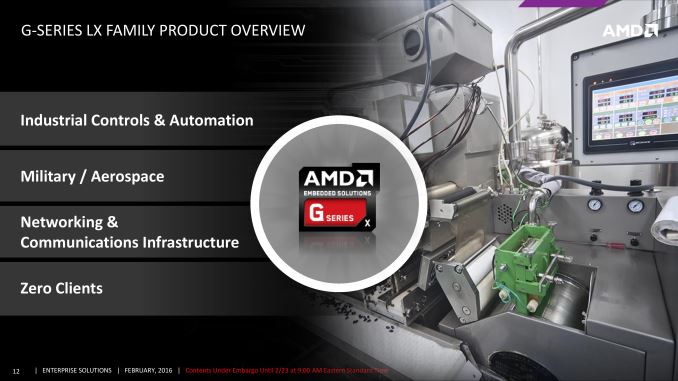
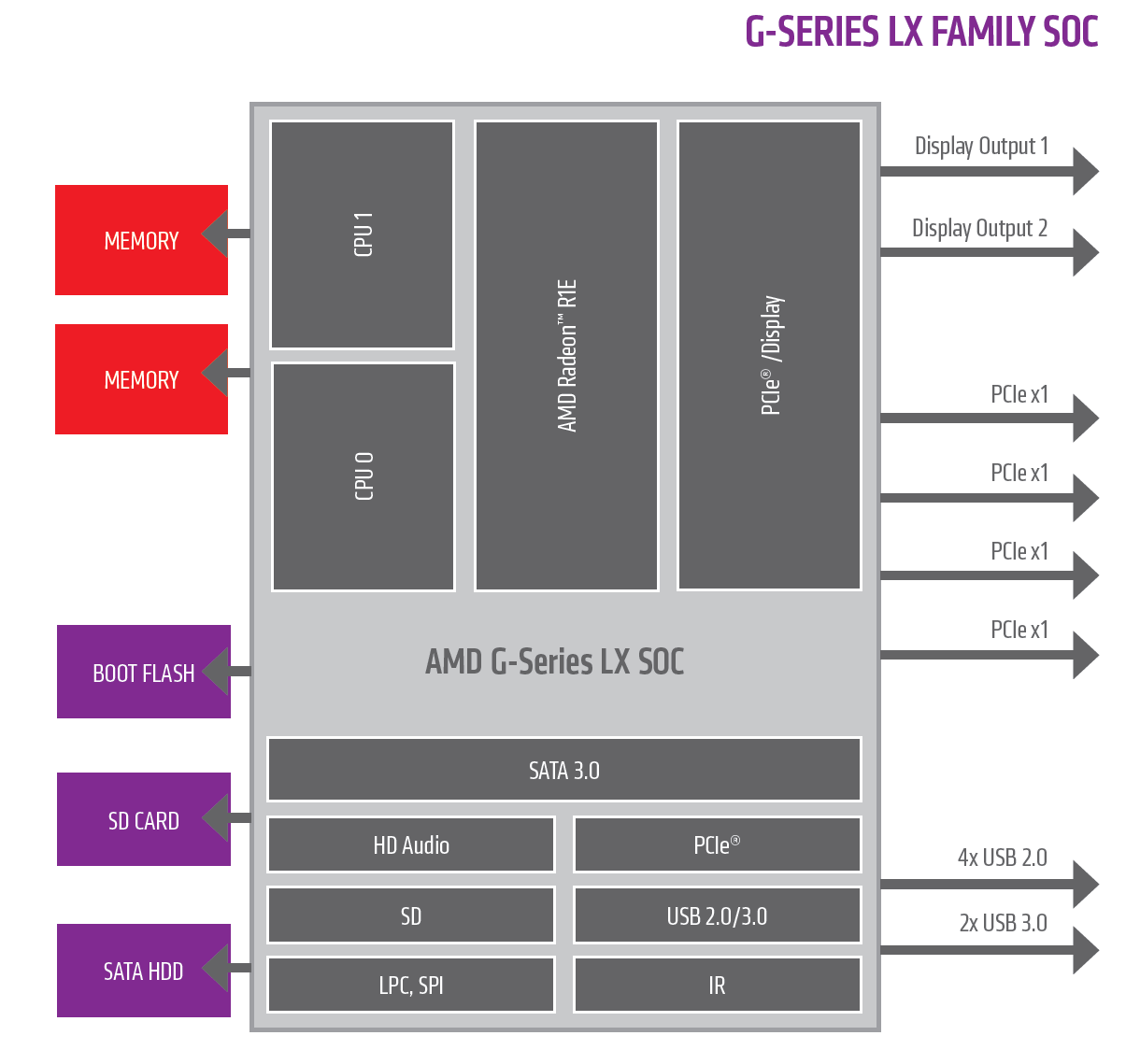
The new G-Series LX model by contrast is a dual core Jaguar part with one compute unit (64 SPs) and aimed at a 6-15W TDP window, supporting AMD Secure and a single channel of DDR3. AMD’s aim here is to provide competitive parts to ARM’s and ARM’s partners’ offerings at a roughly similar price but are x86 compatible for software and a wider support program with that 10-year longevity. It was commented that AMD has a history of long-term support, given that Geode processors are still being manufactured and sold with no real EOL in sight, but these new LX models offer an upgrade path.
Alongside the base specifications for the new embedded parts, AMD has plans down the line to introduce iTemp variants of at least the I-Family that have a wider validated temperature window. Gallery: AMD G-Series
      | ||||||||||||||||||||||||||||||||||||||||||||||||||||||||||||
| 10:30a | Samsung’s Gear S2 Classic 3G and 4G Smartwatches with eSIM to Hit the Market in March
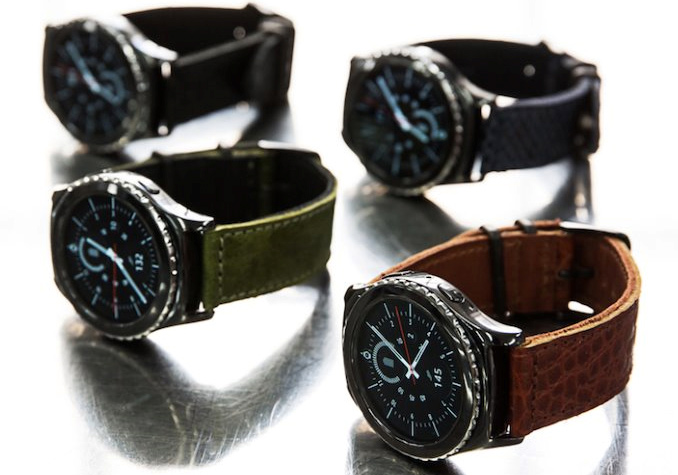
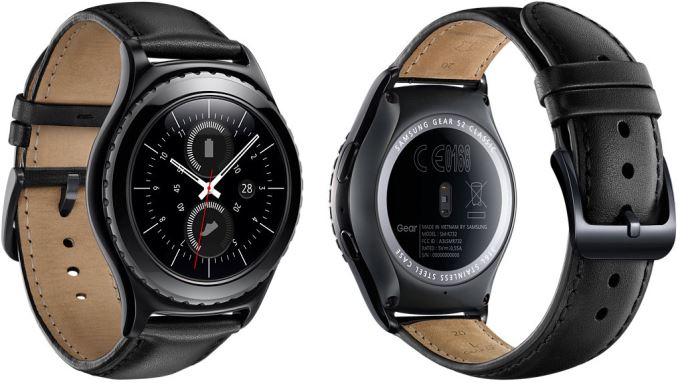
Samsung has revealed that its Gear S2 Classic 3G and 4G smartwatches, which were formally introduced last September, will be available in the U.S. on March 11, 2016. The new wearable gadget will be able to connect to the Internet without a smartphone nearby and will no longer be just an addition for handsets, but a completely autonomous device. It will also be one of the first devices to feature eSIM (embedded SIM) compatible with multiple operators. The US versions of Samsung Gear S2 Classic 3G/4G with eSIM are using the Qualcomm Snapdragon 400 SoC, and although there are many variants of the Snapdragon 400, it would seem this one is a dual-core Krait 200, although we are still waiting for confirmation on the matter. Known specifications show the device running at 1 GHz, coupled with Adreno 305 graphics and integrated baseband capabilities. The smartwatch is equipped with 512 MB of RAM, 4 GB NAND flash storage, 300 mAh battery as well as 3G/4G, 802.11 b/g/n Wi-Fi, Bluetooth 4.1 and NFC wireless technologies. The wearable gadget sports accelerometer, gyroscope, heart rate, ambient light and barometer sensors to enable various health/fitness tracking applications. The Gear S2 Classic features 1.2-inch circular display with 360x360 resolution (302 ppi density). Like the rest members of the Gear family, the S2 Classic 3G runs Samsung’s proprietary Tizen operating system. The 4G variant is identical to the 3G variant, but for US markets only.
Unlike Samsung’s contemporary smartwatches without eSIM functionality, the Samsung Gear S2 Classic with eSIM models feature a speaker in addition to two microphones. The new wearable will be able to make calls, send text messages and emails as well as receive notifications without connectivity to any smartphone. While using the phone function of the smartwatch may not be very convenient (besides, a person talking to their watch seems a little weird), quick email bylines and responses on the wrist make a lot of sense. Moreover, the integration of eSIM into a watch is another step towards integration of certain smartphone functionality into wearable devices. The eSIM is a GSMA-approved standard for embedded SIM cards that cannot be removed from a device and which are compatible with multiple operators (users can choose their preferred carriers). The Samsung Gear S2 Classic 3G in the U.S. will be compatible with AT&T, T-Mobile and Verizon. In other countries, there will be different operators: Samsung has worked with M1 Limited, Orange, Singtel, StarHub, Telefónica, TeliaSonera and Vodafone Group, so, the new Gear S2 Classic 3G will be available in multiple countries. The 4G variant will be available only in the US. Samsung has not yet announced an official MSRP for its flagship smartwatch, however Verizon has started taking pre-orders for the watch, pricing it at $399 off-contract, which amounts to a $50 premium over the regular Gear S2 Classic. Images by Samsung and Stolen Girlfriends Club/Lucire.com | ||||||||||||||||||||||||||||||||||||||||||||||||||||||||||||
| 2:37p | MediaTek Announces New Helio P20
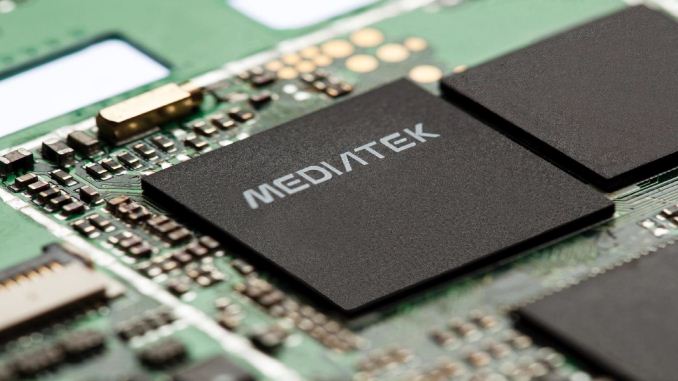
Yesterday MediaTek announced the successor to last year's Helio P10. The Helio P10 was announced back in June with devices being announced and released in the following months. Even though the SoC is only 8 months old it still looks like MediaTek is keeping up the pace and looking forward with the new P20.
Going over the specifications what we see is a slight increase in frequency on the 8 Cortex A53 cores. Although we currently lack details on the clocks of the efficiency cluster, we can disclose that the performance cluster is now clocked in at 2.3GHz instead of 2.0. On the GPU side the Mali T860MP2 has been upgraded to a T880MP2 and clocks have been raised 200MHz to 900MHz. Due to the lack of a big core CPU cluster or wide GPU configuration, it seems clear that the P20 is still aiming at more conservative and low-power performance targets while trying to keep the cost of the SoC down.  Source: Samsung Semiconductor @ Qualcomm 3G LTE 2015 Summit An interesting addition is the integration of a new memory controller which is capable of LPDDR4X memory. LPDDR4X is a new standard which was finalized late last year and represents an evolution over LPDDR4 promising to improve power efficiency. This is done by lowering the VDDQ voltage of the memory down to 0.6V, which more than halve the output driver power and cuts overall total memory power by 20%. The multimedia blocks see some enhancement in their capabilities and can now decode and encode in 4K, although the encoder is still limited to H.264 and thus lacks HEVC capability. The ISP has also seen upgrades and now has more processing power to support up to 24MP single cameras or 13+13MP dual cameras. Finally, the biggest news here is that the P20 is manufactured on a 16nm FinFET node. The last weeks has seen a flurry of mid-range FinFET SoCs announced and this now marks MediaTek as the third vendor after Qualcomm and Samsung LSI to release a mid-range product on a high-end manufacturing process. Here at MWC we were able to have a chat with Executive Vice President and Co-Chief Operating Officer at MediaTek Jeffrey Ju and we were told to expect some 'outstanding' power efficiency from the P20. Commercial devices with the P20 are reported to start shipping in the second half of 2016.
| ||||||||||||||||||||||||||||||||||||||||||||||||||||||||||||
| 7:00p | Sony Unveils New Xperia X Smartphones
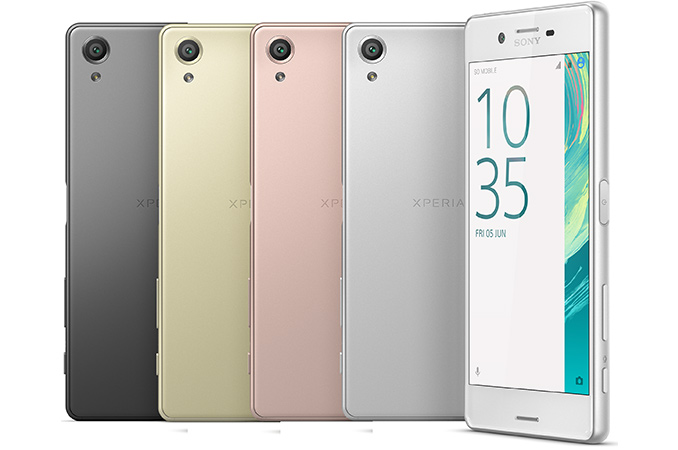
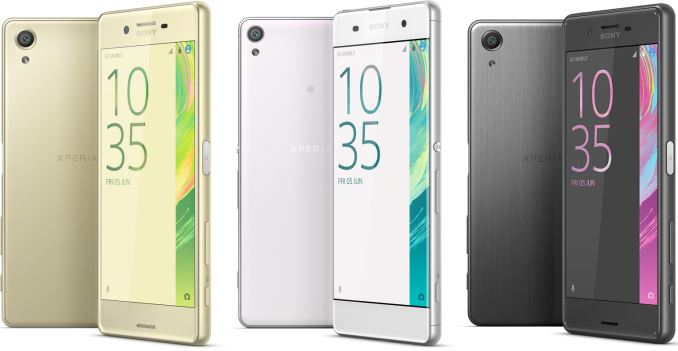
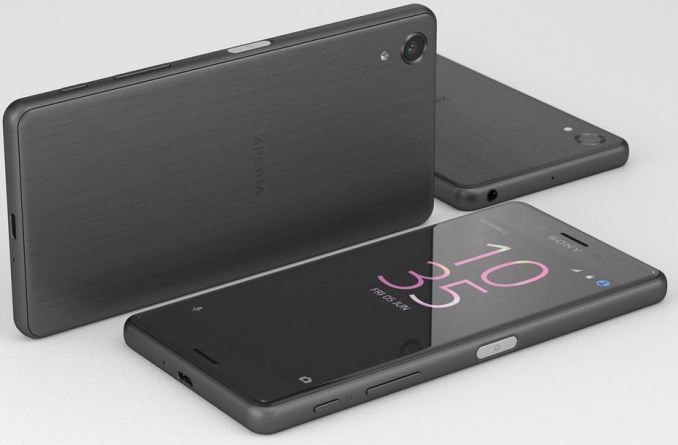
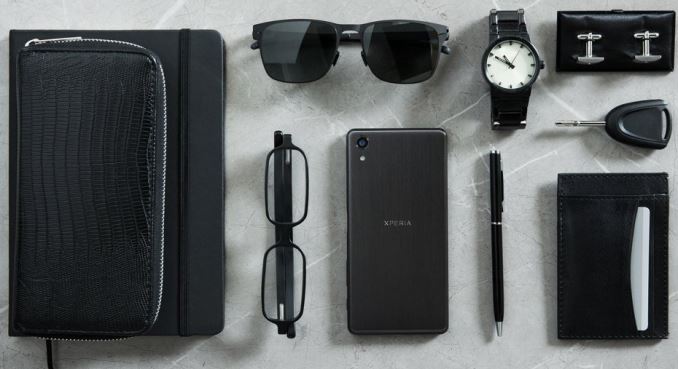
This week at Mobile World Congress 2016, Sony has introduced their new high-end Xperia X series smartphones. The new smartphones feature similar designs across the entire series and all sport 5” displays, but each is based on a different SoC and offers slightly different functionality. The Xperia X smartphones represent the company’s new lineup, but it does not seem that Sony plans to position any of them as their flagship handset just now. The new Sony Xperia X lineup consists of three models — the Xperia XA, the Xperia X and the Xperia X Performance — which are aimed at the entry-level, mid-range, and (quasi) high-end markets respectively. In keeping with a consistent family, all three smartphones look very similar and have a lot in common from design standpoint, along with sharing some technologies and components, but each phone is built around a unique platform.
Starting things off is the Xperia XA. The XA is an entry-level model based on MediaTek’s Helio P10 (MT6755) system-on-chip with a 5” curved display that resembles that of Samsung’s Galaxy S6 edge, and has resolution of 1280x720. The device features aluminum frame with plastic inlays. It is arguably the most stylish product in the Xperia X family, but is also the least powerful one: it features a rather low-resolution screen, only 2 GB of RAM and only 16 GB of storage. Sony equipped the Xperia XA model with a 13 MP rear camera and a 8 MP front camera, hence, its imaging capabilities should be rather good, even though it does not support the predictive hybrid autofocus technology found on the other X series phones. Meanwhile the device features 2300 mAh battery, which I'd expect to provide decent battery life, keeping in mind the 720p display and Sony’s smart battery management.
Next up, the Xperia X is the mid-range model of the new lineup. It features an aluminum body, a slightly curved 5” display as well as a fingerprint reader integrated into the Power button. The Sony Xperia X is based on Qualcomm’s Snapdragon 650 SoC and is equipped with 3 GB of LPDDR3 memory as well as 32 GB of NAND flash storage. The smartphone has a 5” full-HD display, a 23 MP rear camera as well as a 13 MP front camera, with the rear camera supporting Sony's all-new predictive hybrid autofocus technology, which analyzes dynamic scene and attempts to predict motion of the subject to improve quality of focus. The Xperia X is equipped with 2620 mAh battery. Sony has not released pricing information on any of these at the moment, but the combination of a mainstream SoC along with a 5” 1080p display indicates that the Xperia X5 should not be too expensive.
Finally, the Xperia X Performance will be the most powerful model in the family, and will feature Qualcomm’s forthcoming Snapdragon 820 SoC, putting it into the running for one of the fastest Android-based smartphones available this year. Just like the Xperia X, the higher-end version will feature a 5” display with full-HD resolution and slightly curved edges, a 23 MP rear camera as well as a 13 MP front camera, the former of which supports Sony's predictive hybrid autofocus technology, and are presumably the same camera modules as used in the Xperia X . The X Performance will also be water-resistant, which will make it slightly larger and heavier than the Xperia X. However, Sony has mentioned that they will only offer the Xperia X Performance Asia, at least initially, so it will not be as widely available as the rest of the X series. Otherwise from a shared platform standpoint, all Xperia X smartphones feature Qnovo’s adaptive charging technology as well as Sony’s new smart battery management that promises to stretch battery life to two days. Meanwhile, like other phones launching in this timeframe, all three phones will be shipping with Google Android 6.0 Marshmallow operating system. The phones will be available in four colors, including white, graphite black, lime gold and rose gold later this year.
The Xperia X Performance uses Qualcomm’s Snapdragon 820 SoC, the company’s most advanced mobile processor today, and though it's not meant to be the company's flagship phone, one could argue it amounts to a second high-end phone for the company. The Xperia X and the Xperia X Performance are also equipped 1/2.3'' Exmor RS mobile sensor with 24 mm wide-angle lens that can shoot in low-light condition, which is also used on the Xperia Z5 handsets, another indicator that the new smartphones belong to the high-end of the market. However, unlike the Z5 Premium, the new models do not feature 4K (3840x2160) resolution with extreme pixel density, something that has been a distinctive feature of all top-of-the-range smartphones in the recent years. What is a bit strange is that the Xperia X Performance is not set to be available in the U.S. and Europe, at least initially. As a result, Sony’s newest phone (the Xperia X with the Snapdragon 650) offered in these markets will be clearly less advanced than Sony’s Z5-series products, which are based on the Qualcomm Snapdragon 810 processor and are waterproof. It remains to be seen how the new family of Sony’s smartphones fits in the company’s already dense lineup of handsets. Perhaps, Sony deliberately decided not to offer the Xperia X Performance in the U.S. and Europe so to avoid any possible competition or confusion between its own devices. | ||||||||||||||||||||||||||||||||||||||||||||||||||||||||||||
_thumb.jpg)

_thumb.jpg)

_thumb.jpg)




| << Previous Day |
2016/02/23 [Calendar] |
Next Day >> |