[Most Recent Entries] [Calendar View]
Thursday, September 1st, 2016
| Time | Event | ||||||||||||||||||||||||||||||||||||||||||||||||||||||||||||||||||||||||||||||||||||||||||||||||||||||||||||||||||||||||||||||||||||||||||||||||||||||||||||||||||||||||||||||||||||||||||||||||||||||||||||||||||||||||||||||||||||||||
| 12:55a | HP Announces The Pavilion Wave And Elite Slice Desktops
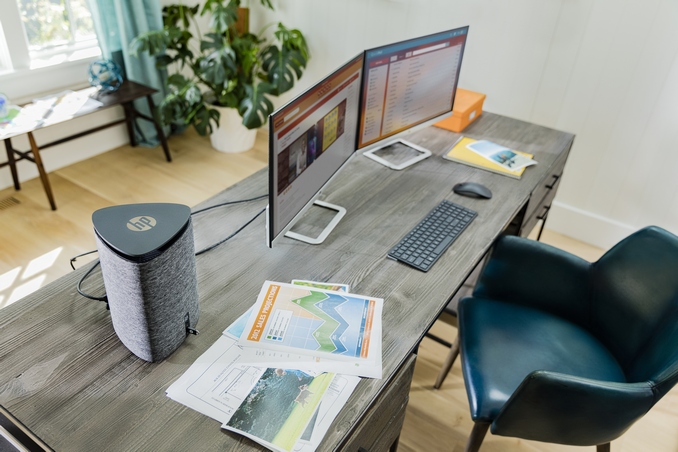
HP has announced two mini PCs today, but unlike some of the small boxes we’ve seen, HP has created a couple of stylish cases which fit in well with the new design language HP has been going for over the last couple of years. First is the HP Pavilion Wave, which is a pretty unique looking PC. First of all, it’s a triangular design, and the top of the unit features a parabolic reflector and speaker, and it features dual-microphones to allow voice interaction with the PC over Cortana, or to assist with voice chats and the like. The finish on the Wave is very interesting, but it doesn’t compress well so please check out the full size image. The unit itself is a bit larger than it appears, and it has support for up to quad-core desktop processors, 2 TB of HDD, and 128 GB SSD with 16 GB of DDR4 memory. Optionally, it can be equipped with a Radeon R9 M470 for some light gaming or compute.
The HP Pavilion Wave starts at $549.99 with expected availability on September 23rd. We don’t have the full specifications yet but will reach out to HP for more information.
The second desktop is more in the NUC form factor, but with the same color scheme as the latest HP laptops with a dark finish and copper accents. The HP Elite Slice is a modular desktop aimed at the commercial buyer, but with a form factor and price that would certainly appeal to consumers as well. The unit can be connected and powered over a single USB 3.1 cable, and HP is announcing a corresponding QuadHD EliteDisplay S240uj monitor which offers USB 3.1 connectivity.
Being modular, HP is offering several stackable options to expand the capabilities including an audio module with Bang & Olufsen speakers, wireless charging cover, collaboration cover for use as a conference phone, and even an optical disk drive which can still be required in a lot of business PCs.
The Elite Slice is 6.5” on both sides and 1.38” thick, and weighs 2.31 pounds. It is powered by up to 35-Watt quad-core i7-6700T CPU, 512 GB of NVMe storage, 802.11ac, Gigabit, USB, DisplayPort, and HDMI. As with the Wave, we don’t have the full specifications, but it’s expected to be available in September starting at $699. HP is also announcing the HP Elite Slice for Meeting Rooms which combines the Slice with the Collaboration Cover and Audio Module and software features to offer one-touch meetings. This version will be available from $949 in September. The EliteDisplay starts at $429 with an October availability. I think it would be hard to dispute that HP has really turned a corner, with some innovative designs that stand out from the desktop crowd. | ||||||||||||||||||||||||||||||||||||||||||||||||||||||||||||||||||||||||||||||||||||||||||||||||||||||||||||||||||||||||||||||||||||||||||||||||||||||||||||||||||||||||||||||||||||||||||||||||||||||||||||||||||||||||||||||||||||||||
| 3:00a | HTC Announces One A9s: Helio P10, 5" 720p Display
Today at IFA 2016 HTC is announcing an updated variant of the One A9 called the One A9s. In this case, the update is designed to put the One A9 at a more attractive price point, which involves a few spec changes. The best way to describe this phone is more a relative of the One A9 rather than a pin-compatible SoC change and display change. To better understand what I mean I’ve included the usual spec table below.
In addition to a new design that rearranges a whole host of component positions, the One A9s is slightly thicker, heavier, and has a slightly larger battery in return for the larger dimensions. The display is also changed to a 5” 720p LCD rather than the 1080p AMOLED panel we saw last year, and instead of a Qualcomm Snapdragon 617 we see MediaTek’s Helio P10. The front and rear cameras are also clearly different, although what impact the changes have is hard to estimate off-hand. The One A9s will be available in Aqua Silver, Cast Iron, and Sand Gold, but pricing has yet to be announced. | ||||||||||||||||||||||||||||||||||||||||||||||||||||||||||||||||||||||||||||||||||||||||||||||||||||||||||||||||||||||||||||||||||||||||||||||||||||||||||||||||||||||||||||||||||||||||||||||||||||||||||||||||||||||||||||||||||||||||
| 3:56a | IFA 2016: Huawei Press Event We're here with Huawei, expecting a new phone or two. | ||||||||||||||||||||||||||||||||||||||||||||||||||||||||||||||||||||||||||||||||||||||||||||||||||||||||||||||||||||||||||||||||||||||||||||||||||||||||||||||||||||||||||||||||||||||||||||||||||||||||||||||||||||||||||||||||||||||||
| 5:00a | Acer’s Announces Predator Gaming Displays with Tobii Eye-Tracking Technology, Up to 240 Hz Refresh Rate
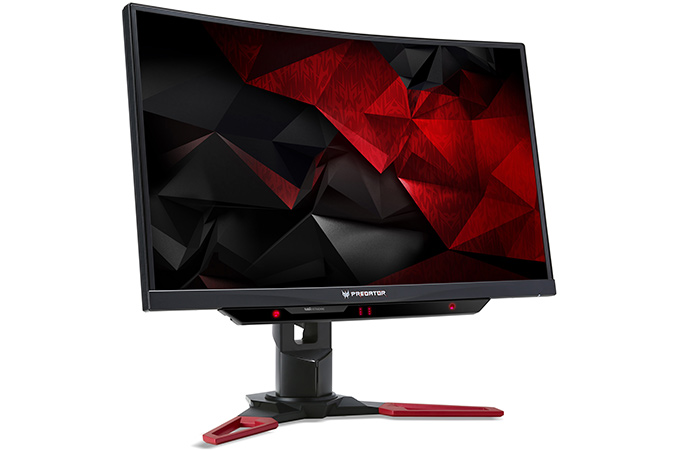
Acer has introduced three new Predator gaming monitors equipped with Tobii eye tracking technology at this week's IFA trade show in Berlin, Germany. The new screens are the first gaming displays to incorporate sensors from Tobii, but apart from them, they also offer very high refresh rates as well as NVIDIA’s G-Sync dynamic refresh rate technology. The Tobii EyeX technology was first demonstrated at CES 2013 (at the time it was called Tobii Gaze) as an alternative means of input from the traditional mouse or keyboard. The EyeX sensor is equipped with IR LEDs and an RGB camera to track eye positions and gaze points, where the EyeChip SoC as well as the EyeX software use the data from those sensors to control cursor in Windows or camera orientation in games. The polling rate of the EyeX sensor is 60 Hz and typical eye to application latency is specified to be around 15±5 ms. Tobii’s tech is compatible with Microsoft’s Windows Hello and typical Windows apps. While the eye tracking technology can speed up interaction with certain programs and even make life easier for people with disabilities, developers of software compatible with EyeX are primarily focused on games. In fact, there are around 40 games that support Tobii’s EyeX eye-tracking already (including Deus Ex: Mankind Divided and Tom Clancy’s The Division). Given the current positioning of the technology, it is absolutely logical for Acer to integrate the EyeX sensor into its Predator displays. Initially, Acer will offer three gaming monitors with built-in eye tracking: the Predator Z271T, the Predator XB251HQT and the Predator XB271HUT. All three displays feature NVIDIA’s G-Sync technology, but the manufacturer does not reveal exact dynamic refresh rate ranges. As for other peculiarities, all three monitors feature at least one DisplayPort 1.2 input as well as distinctive design with red and black color scheme.
The Acer Predator Z271T is based on a curved 27” VA panel with FHD (1920×1080) resolution and a 144 Hz maximum refresh rate. The product will be available in EMEA in October with prices starting at €799. Gallery: Acer Predator Z271T
      Meanwhile the Acer Predator XB251HQT features a 24.5” TN panel with FHD (1920×1080) resolution, a 240 Hz refresh rate, and an ultra-thin bezel (which Acer calls ZeroFrame). The pricing and availability timeframe of this one remain unknown at this point. Gallery: Acer Predator XB251HQT
    Finally, the Acer Predator XB271HUT has similar design to the XB251HQT (so, it has similar controls as well as the ZeroFrame ultra-thin bezen), but uses a 27” TN panel with WQHD (2560×1440) resolution and a maximum refresh rate of 165 Hz. Expect this display to be available sometimes in December for €899 in Europe. Gallery: Acer Predator XB271HUT
    The monitors are not exactly affordable, but it's worth keeping in mind that the EyeX eye tracker costs $140/€119 when sold separately, and the displays feature rather high refresh rates along with G-Sync. Otherwise the integration of eye tracking into gaming monitors is an interesting move in general and a way to differentiate Predator displays from competing products. So it will be interesting to see whether the new screens will become popular among gamers, and how much of that market is willing to pay the price premium for the functionality. | ||||||||||||||||||||||||||||||||||||||||||||||||||||||||||||||||||||||||||||||||||||||||||||||||||||||||||||||||||||||||||||||||||||||||||||||||||||||||||||||||||||||||||||||||||||||||||||||||||||||||||||||||||||||||||||||||||||||||
| 6:00a | AMD Amends GlobalFoundries Wafer Supply Agreement Through 2020, Gaining New Flexibility & New Costs
This evening AMD has announced that they have updated their long-standing wafer supply agreement with fab parter GlobalFoundries. The new agreement, which makes some notable alterations to wafer order numbers and how the parties are compensated, covers wafer sales between the two parties through 2020. As a bit of background here, of the many important and long-term consequences of AMD’s 2008 spin-off of their foundry business into what has become GlobalFoundries, perhaps the most significant is the Wafer Supply Agreement (WSA). As part of the plan for separating chip design and chip fabbing, AMD inked an agreement with GlobalFoundries that setup a basic framework for how many wafers AMD would buy. This essentially ensured that AMD would remain a long-term customer and GlobalFoundries a long-term supplier through the lifetime of the agreement. The overall WSA agreement is set to run through 2024. However throughout the lifetime of the agreement, AMD and GlobalFoundries have amended it several times to account for changing market conditions, AMD’s manufacturing needs, and GlobalFoundries own manufacturing plans. Traditionally this has been a near-yearly event – the WSA has been amended 5 times before today – however for this 6th amendment, AMD and GlobalFoundries have inked a much longer 5-year amendment that will take them through 2020.
So what’s new with the latest amendment? The fundamentals have not changed; the WSA continues to ensure that AMD purchases a significant number of wafers from GlobalFoundries. However the number of wafers and how those are priced has been laid out in a different manner than previous agreements. On the pricing front, the new agreement sets fixed prices for the rest of 2016. Prices beyond that are not (yet) fixed, but according to AMD there is now a framework for how those prices are determined.
As for the number of wafers to be purchased, this is where things get more interesting. AMD of course is still committed to buying wafers from GlobalFoundries. The specific numbers are never published, but the two firms have agreed upon wafer purchase targets throughout the length of the amendment, with the targets increasing each year. Also included in the agreement are the penalties for AMD if they don’t buy enough wafers. Of particular note here, the take-or-pay agreement from past amendments has been replaced with target volumes. If AMD does not buy the targeted number of wafers, then they owe GlobalFoundries a portion of the difference. This is where the specific, undisclosed financial details make a difference, as it’s not clear if the new penalties are less than or greater than the old take-or-pay penalties. Meanwhile, although AMD is still a significant GlobalFoundries customer, other parts of the new amendment are designed to increase AMD’s flexibility. The latest agreement lays out how and under what circumstances AMD can have products fabbed at other foundries. This is not new for AMD – they’ve been using TSMC for years alongside GloFo – however previous agreements have not been so structured in this respect. Under this new agreement, AMD has been granted a “limited waiver” to work with other foundries “with respect to certain products in the 14nm and 7nm technology nodes.” As a result, while AMD still has to meet their overall wafer buy targets over the 5 year period, AMD also will continue working with other foundries on unspecified products where they see a need to have them manufactured at somewhere other than GlobalFoundries. It’s not clear if this really a significant departure from the status quo for AMD, but at a minimum it more rigidly defines how AMD is going to buy from both GlobalFoundries and third-party fabs.
This flexibility comes at a cost though. Not unlike past years where AMD has paid GlobalFoundries a penalty under take-or-pay, AMD will be paying the foundry for this new flexibility. GlobalFoundries will be receiving a $100M payment from AMD, spread out over the next 4 quarters. Meanwhile starting in 2017, AMD will also have to pay GlobalFoundries for wafers they buy from third-party foundries. This in particular is a notable change from past agreements, as AMD has never paid a penalty before in this fashion. Ultimately this means AMD could end up paying GlobalFoundries two different types of penalties: one for making a chip at another fab, and a second penalty if AMD doesn’t make their wafer target for the year with GlobalFoundries. Along with all of the above, in exchange for the latest agreement AMD is making one more payment in the form of a stock warrant. The warrant itself comes with certain stipulations, but in essence AMD is issuing a warrant to GlobalFoundries’ owner Mubadala Development Company as an additional form of compensation. The warrant will give Mubadala the option to buy up to 75 million AMD shares at a currently below-market price of $5.98/share, so long as they continue to own less than 20% of AMD. AMD is valuing the warrant at $235 million, which will bring the total one-time-costs of the latest agreement to $335M.
As for AMD’s total wafer buys, the company also announced that by the end of 2016 AMD will have purchased $650 million in wafers from GlobalFoundries for the year. This is composed of $155M in wafer buys in Q1 under the old amendment, and a further $495M in Q2 through Q4 under the new agreement. Looking at the broader picture, AMD isn’t saying how future products are being divided up among GlobalFoundries and third-party fabs, only that they’ve entered into this agreement based on what they project their future needs will be. So whether this is for CPUs, APUs, GPUs, semi-custom, or all of the above remains to be seen. However it is interesting to note that GlobalFoundries will not be doing a 10nm process – the company is going to jump from 14nm to 7nm – so if AMD does decide to fab anything at 10nm, then it will have to be with a third-party fab. At the same time though it’s not clear how long of a shelf-life 10nm will have – there are signs it may be a short-lived process before 7nm is ready – so the lack of a 10nm process may not have much of an impact for AMD. Regardless, AMD and GlobalFoundries will be collaborating on the development of 7nm tech, so it’s clear that GlobalFoundries is expected to remain as a leading-edge supplier for AMD wafers for the next 5 years. | ||||||||||||||||||||||||||||||||||||||||||||||||||||||||||||||||||||||||||||||||||||||||||||||||||||||||||||||||||||||||||||||||||||||||||||||||||||||||||||||||||||||||||||||||||||||||||||||||||||||||||||||||||||||||||||||||||||||||
| 6:05a | Huawei Launches the NOVA Brand: Two Midrange Snapdragon 625 Smartphones
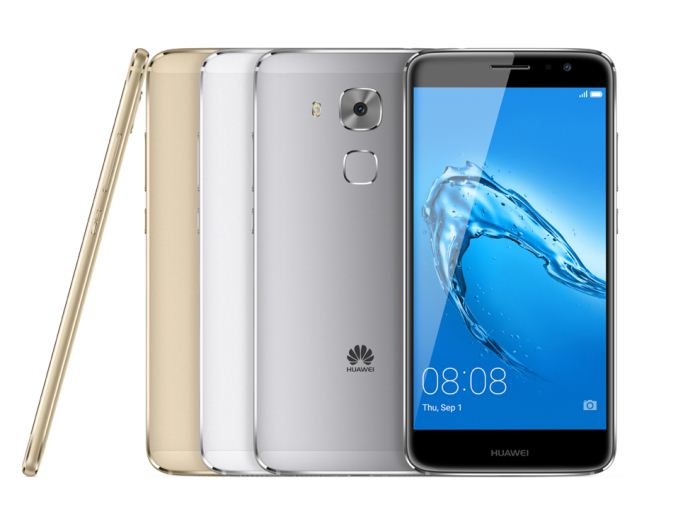
This week at IFA 2016, Huawei has announced another brand/line of smartphones. The NOVA brand, to counter the Mate line of devices and go up against its own H5onor brand, is aimed squarely at mid-range pricing and millennials. The Nova and Nova Plus will be the first two products in this line, differentiated by size, battery life and price, and using Qualcomm’s Snapdragon S625 SoC, a mid-range 14nm part with a pair of quad-core Cortex-A53 clusters, the faster of the two running at 2 GHz. This is joined by an integrated X9 modem, capable of Category 7 LTE and carrier aggregation but also has the right licencing for CDMA in the US.
Gallery: Nova
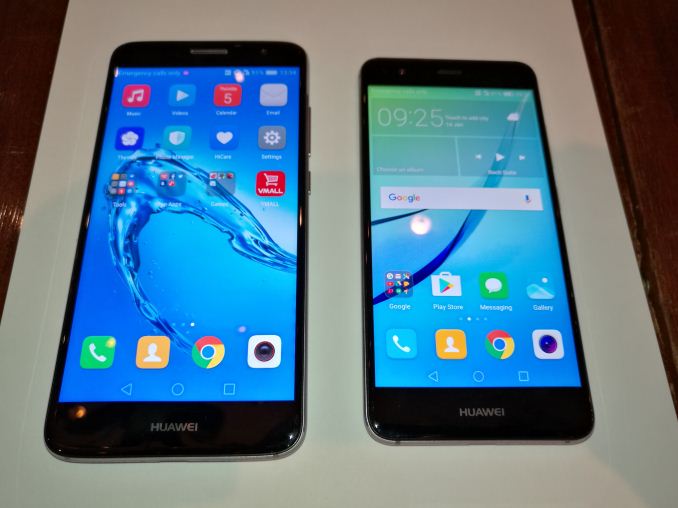
_thumb.jpg) _thumb.jpg) _thumb.jpg) _thumb.jpg) _thumb.jpg) _thumb.jpg) The Nova will launch as the main device, with a 5-inch Full HD (1920x1080) display. The devices will use USB Type-C, with Huawei’s characteristic brushed metal finishes. For several years Huawei has been pushing a high screen-to device ratio, typically comparing it against smartphones with physical buttons, and while it was mentioned in the launch they surprisingly left out exact numbers. The display is rated at a supposed 1500:1 contrast ratio, with 85% ‘high color gamut’, which is likely DCI-P3. Battery for the Nova is at 3020 mAh, or rated for 5-hours of Pokémon Go, and will have EMUI 4.1 (based on Android 6) out of the box.
Cameras are a Sony 12MP F/2.2 with 1.25-micron pixels on the rear, with a Sony 8MP F/2.0 on the front. Pro shooting modes are supported, as well as Huawei’s usual features of light painting, document readjustment and so on. PDAF focusing is rated at 0.3 seconds. One of the new features Huawei is promoting is the per-user beautify feature. This is the ability for the phone to recognize specific faces and use a separate pre-defined beautify profile for them. The concept being that in a group photo, with presets it can make you look better than your friends. One of the newer features is the blue light reduction option. Similar to other devices with this feature, the software enables a separate look-up-table to reduce the effectiveness of the blue. We asked whether this was a per device/batch LUT to enable a better consistency with panel variability, or if the LUT was a fixed constant adjustment vs a gradient, but we weren’t able to get an answer. The Nova and Nova Plus will have three main colors: Mystic Silver, Titanium Grey and Prestige Gold. Rose Gold will be available in select regions only. Pricing is at 399 Euro (that’s including tax) for a 3GB DRAM and 32GB storage model. Both phones will support dual nano-sim, with one slot capable of a microSD card. Both devices also have a ‘level 4’ fingerprint sensor.
Gallery: Nova Plus
_thumb.jpg) _thumb.jpg) _thumb.jpg) _thumb.jpg) _thumb.jpg) The Nova Plus is the larger device, coming it at 5.5-inch with a Full HD display, but offers a few upgrades over the Nova. The battery is another 10% larger (3340 mAh), and the camera supports OIS. There is an upgraded audio codec in there, with a collaboration with harmon/kardon and DTS Headphone:X certification. Pricing is at 429 Euro (again, including tax in that price) for a 3/32 configuration. I'll be disappointed if Huawei's next model isn't called the Supernova, or if the 4-inch model isn't called a White Dwarf or something similar. There are lots of names to choose from... | ||||||||||||||||||||||||||||||||||||||||||||||||||||||||||||||||||||||||||||||||||||||||||||||||||||||||||||||||||||||||||||||||||||||||||||||||||||||||||||||||||||||||||||||||||||||||||||||||||||||||||||||||||||||||||||||||||||||||
| 8:00a | Evaluating Futuremark's Servermark VDI on the Supermicro SYS-5028D-TN4T Standardized benchmarks with industry-wide acceptance are a must for evaluating computing systems. These benchmarks may evaluate the system as a whole, or target specific aspects. Vendors such as Futuremark and BAPCo have various offerings for both consumer and business-use PCs. However, the market for such programs in the server space is largely untapped. Futuremark has been working on Servermark for more than two years now, and they finally felt it was stable enough to let us test drive one of their recent beta versions. Servermark will have a number of sub-categories, but, our focus was on VDI (virtual desktop infrastructure) - a way to determine how many virtual machines a server can support while providing an acceptable level of performance for all users. Servermark VDI also allowed us to evaluate the Supermicro SYS-5028D-TN4T (based on an Intel Xeon-D 1540 SoC) - a very popular home lab machine for virtualization enthusiasts. Today's piece provides our thoughts on Servermark VDI based on our benchmarking of the Supermicro SYS-5028D-TN4T. | ||||||||||||||||||||||||||||||||||||||||||||||||||||||||||||||||||||||||||||||||||||||||||||||||||||||||||||||||||||||||||||||||||||||||||||||||||||||||||||||||||||||||||||||||||||||||||||||||||||||||||||||||||||||||||||||||||||||||
| 8:30a | Netgear Brings Broadwell-DE to COTS NAS Units with New 10G ReadyNAS Lineup
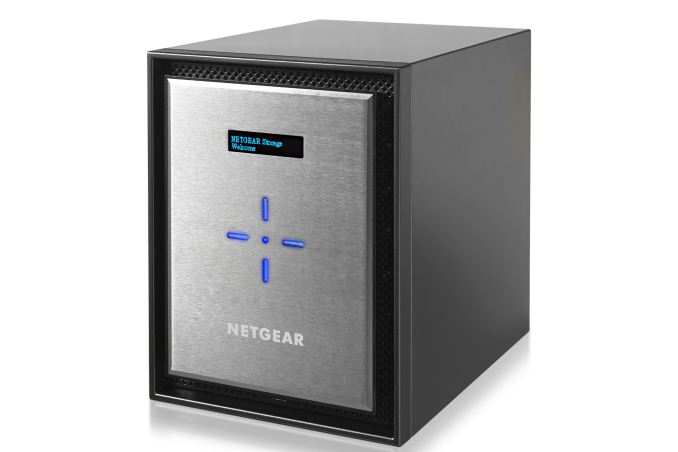
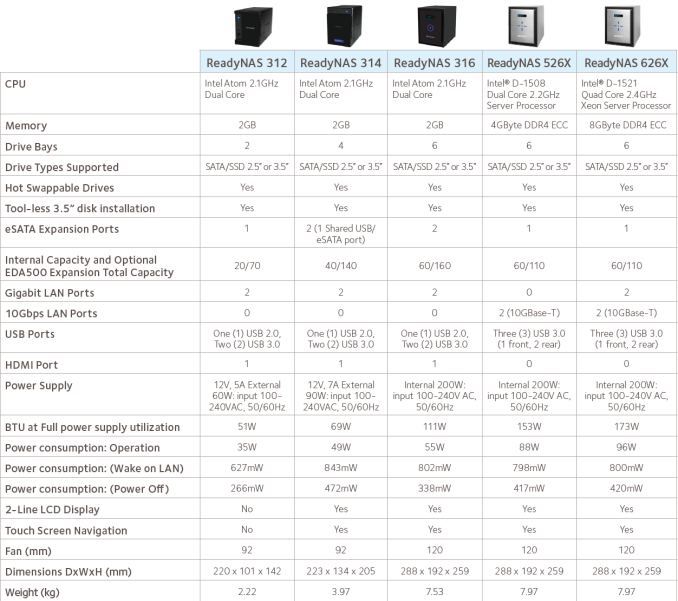
Netgear's ReadyNAS lineup was updated towards the end of last year with some units based on the Annapurna Labs ARM-based SoCs. This year, Netgear is targeting SMBs, creative professionals and SMEs with a new set of desktop and rackmount units based on high-end Intel SoCs and CPUs. All of the new units run ReadyNAS OS 6 - the first COTS (commercial off-the-shelf) NAS operating system to come with support for the btrfs file system. At IFA 2016, Netgear is launching two new desktop models and two new rackmounts. All of the models, except for one of the rackmounts, come with native 10G capabilities. This goes well with the host of affordable 10G switches that Netgear has launched over the last couple of years. The desktop models are the most interesting from a platform viewpoint - the ReadyNAS 526X uses the Intel Pentium D-1508 2C/4T processor that comes under the Xeon-D 1500 lineup, and the ReadyNAS 626X uses the Intel Xeon D-1521 4C/8T processor. To our knowledge, these are the first COTS NAS units to use these Broadwell-DE (Xeon-D 1500) SoCs. The two units join the ReadyNAS 300 series units as part of Netgear's x86 ReadyNAS lineup. The important specifications of the two new units and how they compare with the other x86 units are provided below.
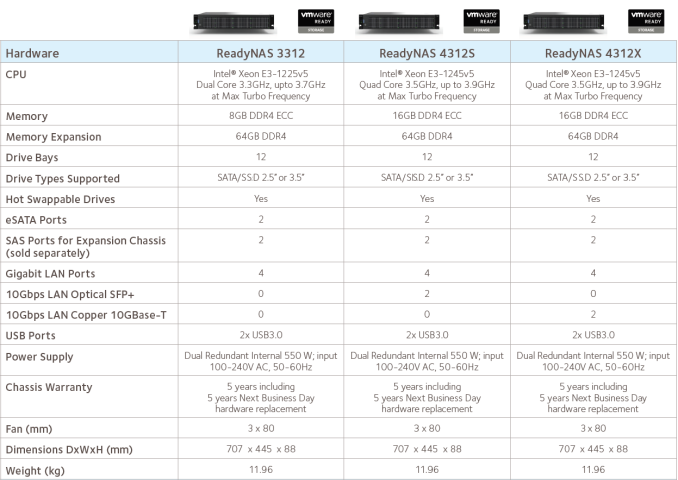
On the rackmount side, Netgear has opted for the Skylake Xeons. The new units have 12 bays and come with quad 1G LAN ports. All of them have two mini-SAS ports for storage expansion. The ReadyNAS 3312 doesn't have any 10G ports, while the ReadyNAS 4312 has two. The 4312S has two optical SFP+ 10G interfaces, while the 4312X has two 10GBase-T ports.
The only disappointing aspect is that the rackmount units don't come with support for SAS drives. In terms of software features, the btrfs implementation allows Netgear to enable seamless snapshotting capabilities and also offer bitrot protection. There are some value additions in the form of ReadyDR (disaster recovery) that allows block-level backup to / restore from another ReadyNAS unit in the LAN. Netgear also has the ReadyCLOUD service for seamless VPN access and private cloud capabilities. All the NAS models are available today. The diskless desktop versions come in at $1400 and $1800 for the RN526X and RN626X respectively. The diskless rackmounts are priced at $3000 (RN3312), $4200 (RN4312S) and $4400 (RN4312X). Netgear's decision to go with the Xeon-D SoC lineup has enabled them to create more efficient units (in terms of hardware) compared to the competition. The ReadyNAS OS 6 features are also in the process of getting tuned with customer feedback. Most important business requirements are already implemented, but competitors have a huge advantage, thanks to third-party apps. Features such as native virtualization (host OS capabilities) and containers (Docker) support enable the competitors' units to fully utilize all the available CPU cycles (once the core requirements related to file serving are met). The same can't be said of Netgear's current version of the ReadyNAS OS. However, for SMBs / SMEs with well-defined requirements / workloads, the new 10G-enabled ReadyNAS units definitely merit consideration, thanks to a combination of attractive pricing and possible reseller-dependent deals involving bundled 10G switches. | ||||||||||||||||||||||||||||||||||||||||||||||||||||||||||||||||||||||||||||||||||||||||||||||||||||||||||||||||||||||||||||||||||||||||||||||||||||||||||||||||||||||||||||||||||||||||||||||||||||||||||||||||||||||||||||||||||||||||
| 9:00a | Sony Announces Xperia XZ and Xperia X Compact
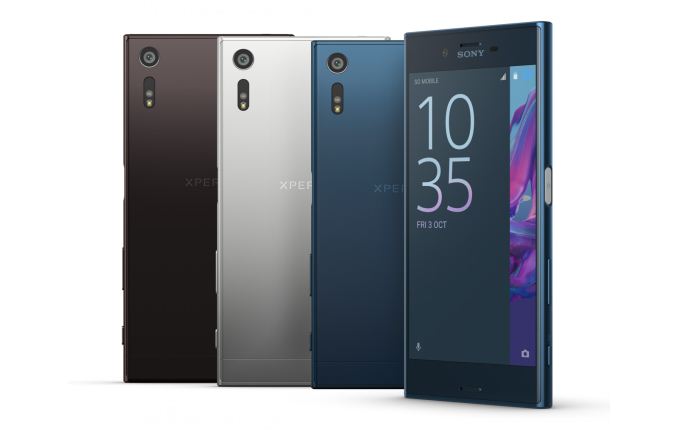
Today at IFA 2016 Sony announced two new phones to flesh out the Xperia X lineup, namely the Xperia XZ and Xperia X Compact. Starting with the Xperia XZ, it looks like Sony is still sticking with their 6-month refresh cycle for flagship devices as this looks to succeed the Xperia X Performance with a 5.2 inch display, 5-axis video stabilization, improved stereo microphones, and a USB-C port for improved usability. However the SoC remains the Snapdragon 820 similar to the Note7.
In addition to these changes, the Xperia XZ gains laser auto-focus to improve the speed with which it acquires focus in low light as well as an RGBC IR sensor which is used to set white balance. Laser AF is nothing new at this point but it is new to high-end Xperia phones, and similar systems to the RGBC IR sensor have been seen in the Galaxy S7 and LG G5 to enable more accurate white balance settings. Sony is marketing the combination of PDAF on their Exmor RS 23MP sensor, laser AF, and the RGBC IR sensor as their “triple image sensing technology”. The Xperia XZ also has a 13MP front-facing camera with 22mm equivalent focal length and a max sensitivity of 6400 ISO which is said to improve the quality but I’m a bit skeptical here. The press release also mentions the addition of manual focus and shutter speed which is nice to have as Sony has been relatively late to the party when it comes to implementing these kinds of features. For reference, HTC has done this since the One M8, Samsung since the Galaxy Note5, Apple since the iPhone 6 with third party apps, and LG since the G4. As far as design goes, the Xperia XZ has an ALKALEIDO metal back cover, though Sony's photos don't do a great job highlighting this. The phone is still water resistant - rated IP65/68 - but resistance is emphasized so I can only assume that this will only work reliably against light water exposure such as spilling a cup of water on the phone.
For the Xperia X, it appears to share almost everything with the Xperia XZ, but with a different “loop design” and a 4.6” 720p Triluminos display. Instead of a Snapdragon 820 SoC we’re looking at a Snapdragon 650 SoC which makes sense when considering that it’s the Xperia X Compact rather than the Xperia XZ Compact or something similar. Both devices also support Qnovo’s adaptive charge system which helps to reduce the impact on battery lifespan that fast charging mechanisms often have. The Xperia XZ will be available in the US starting October 23, 2016 in Forest Blue, Mineral Black, and Platinum. The Xperia X Compact will be available in the US starting September 25, 2016 in Mist Blue, Universal Black, and White. The Xperia XZ will include a USB-C fast charger in the box as well. Operators and retail partners aren’t announced but it’s likely that GSM operators will be supported at the very least. | ||||||||||||||||||||||||||||||||||||||||||||||||||||||||||||||||||||||||||||||||||||||||||||||||||||||||||||||||||||||||||||||||||||||||||||||||||||||||||||||||||||||||||||||||||||||||||||||||||||||||||||||||||||||||||||||||||||||||
| 9:01a | Intel Quietly Launches Apollo Lake SoC: Goldmont CPU, 6 SKUs, 6 & 10 Watts
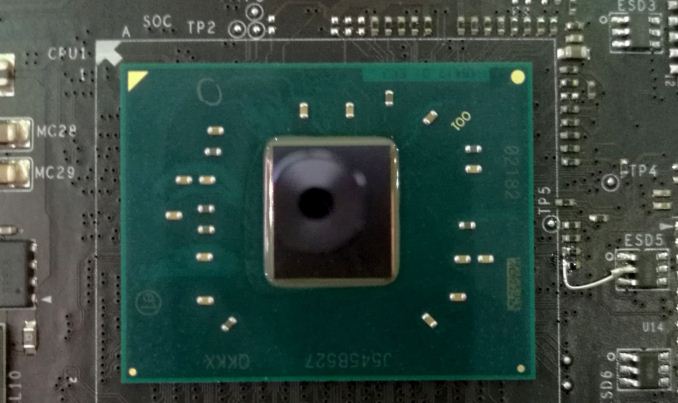
Earlier this week was the formal unveiling of Kaby Lake, Intel’s 7th generation Core CPU architecture. And while Kaby Lake was the focus of Intel’s efforts for obvious reasons, as it turns out it’s not the only processor family the company has launched this week. Taking off alongside Kaby Lake is its budget counterpart, Apollo Lake. Built off of the latest generation of Intel’s Atom-derived line of CPU cores, Goldmont, Apollo Lake is destined for low-cost devices such as basic 2-in-1s, laptops, and netbooks. In the saga that has been the life of Intel’s Atom processor development over the past 8 years, Apollo Lake comes in what’s best described as the dramatic, angsty years. Earlier this year Intel partially canceled the Broxton SoC. The de-facto flagship for Atom this generation, Broxton would have gone into modern smartphones and tablets. Instead Broxton was scaled back to just appearing in embedded products such as Joule. Instead, Apollo Lake would be the consumer flag bearer for this generation of Atom.
Apollo Lake is the successor to Braswell, and like its predecessor is a small die SoC designed to slot in below the Core architecture chips, to go into low-cost devices like netbooks. In terms of press announcements, Intel never gave Braswell a lot of attention; it received a similarly quiet launch in 2015. However it and Apollo Lake are still an important part of Intel’s chip lineup, enabling Intel to reach cheaper markets and better compete with non-traditional devices based around ARM SoCs.
Apollo Lake has been on Intel’s roadmaps for a while now, and received a formal introduction (of sorts) at IDF Shenzhen earlier this year. While Intel didn’t go into exhaustive depth on the architecture, it was revealed that it would use the new Goldmont CPU core, the first architectural upgrade to the Atom line of CPU cores since Silvermont in 2013. Furthermore it would integrate a newer GPU design based on Intel’s Gen9 GPU, offering modern GPU features and better performance.
What we didn’t know at the time was what the SKUs would be like and when they would launch. But with this week’s launch we finally have our answer. Apollo Lake is composed of 6 SKUs – 3 desktop and 3 mobile – running under the Pentium and Celeron brands. So without further ado, let’s look at the SKUs. The Chips
We’ll start with the desktop parts, which are somewhat awkwardly split between the Pentium J4-series and the Celeron J3-series. Like the past generation, the Pentium is the highest performance, highest priced SKU. The CPU frequency tops out at 2.6GHz, and it features a full, 18EU HD Graphics 505 iGPU implementation, which itself maxes out at 800MHz. Of note here, along with the various architectural enhancements, Apollo Lake has a few other significant changes relative to the last-generation Braswell Pentium. The GPU EU count has been increased slightly from 16 EUs to 18 EUs. And the number of PCIe 2.0 lanes coming off of the chip for peripherals has been increased from 4 lanes to 6. However what has also increased is the TDP, which sees a 54% jump from 6.5W to 10W. As Apollo Lake is made on Intel’s 14nm manufacturing node like Braswell before it – and with there being no sign that it’s using the newer 14nm+ variant like Kaby Lake – Intel doesn’t get the benefit of a new node for this generation. Instead all of the architectural enhancements and performance gains relative to Braswell consume additional die space and power. As Intel has not briefed us on Apollo Lake it’s not clear just why power consumption has gone up like it has, but this may be a combo effect of the newer CPU and GPU. At the same time it’s worth noting that CPU clockspeeds have not changed and GPU clockspeeds have only increased slightly, so Apollo Lake’s performance benefits are almost entirely going to be derived from architectural enhancements and the overall wider iGPU. In practice I don’t expect this TDP increase to cause much trouble since these are desktop parts, but it is none the less a bit surprising to see. As for the cheaper Celeron parts, these are split between the 4 core J3455, and the 2 core J3355 (ed: why couldn’t this be 3255?). Both feature a scaled down HD Graphics 500 GPU with 12 EUs, and overall lower clockspeeds. The 2 core version gets you the better clockspeeds over the 4 core version, in particular shipping with a much higher 2.0GHz base clock. However it has the lowest GPU clockspeed of all 3 desktop SoCs.
Meanwhile the mobile side, we see a very similar picture as with the desktop parts. Everything is clocked lower, otherwise the Pentium N4-series and Celeron N3-series share the same product differentiation. The Pentium is the only HD 505 GPU part, while the Celerons are split between 4 CPU cores and 2 CPU cores. I had to double-check this to make sure, but the much lower base CPU clock of the Pentium N4200 versus last year’s Braswell-based N3700 is not a typo; the mobile Pentium really has lost 500MHz at the base. Considering that all of these parts remain at 6W – avoiding the TDP increase of the desktop parts – it stands to reason that Intel had to cut back on the base clock in order to hit their TDP target. This makes the performance gains from the Goldmont architecture critical, as should the average clockspeeds be lower versus Braswell, then Goldmont needs to more than offset the loss in frequency. On that note, it’s also worth pointing out that Intel has not launched any 4W SKUs this time around, whereas Braswell launched with 1 such SKU. This means that the nominal TDP of all of the Apollo Lake mobile SKUs is higher than the 4.5W TDP of the new Kaby Lake Y-series processors (cTDP-Up withstanding). Actual power consumption is a bit more complex than this – so this doesn’t necessarily mean Apollo Lake draws more power on average – but it means that if you want a current-generation ultra-low power SoC from Intel, then your only option right now is to go with Kaby Lake. I believe that this means that we can also rule out Apollo Lake for traditional tablets. When Intel cancelled Broxton, they made it clear that this included Broxton for tablets as well; however it was unclear whether Apollo Lake could be stretched down to fill that role. Given these TDPs, it’s unlikely we’re going to see Apollo Lake in the kinds of tablets that Cherry Trail-T could go in. And this doesn’t even factor in other potential road blocks such as chip size (Apollo Lake has a wider 2D footprint) or any missing features for mobile devices that Broxton would have included. As this is the cheap Intel chip someone could still take a stab at it, but Intel is clearly trying to push partners towards 2-in-1s rather than simple tablets. Finally, though the desktop parts feature this as well, I think it’s more useful with the mobile parts to point out that Intel has added support for S0ix sleep states to the CPU. This was first introduced in the Atom architecture with Clovertrail, a smartphone/tablet SoC family, however this feature wasn't previously available with the more powerful desktop/mobile SoCs. S0ix states offer more flexible sleep states and improved idle power consumption. In terms of functionality, this is necessary for Apollo Lake to support Windows 10’s Modern Standby feature, something that Braswell wasn’t able to support.
Performance ExpectationsGetting back to performance and architecture, because Intel hasn’t briefed the press on Apollo Lake, we unfortunately have very little to go on. In particular, Intel has not released much in the way of details on the Goldmont CPU architecture, so we still don’t know much about it other than previous announcements that it’s meant to be a significant upgrade from Silvermont/Airmont – being the Tock in the Atom CPU development roadmap. Just what Intel has done will have to remain a mystery for another day. On the GPU side of matters however, since Atom is inheriting the existing Gen9 GPU we’ve seen since Skylake, things are a lot clearer. Architecturally, Gen9 is not a radical departure from Gen8, but it’s none the less a more efficient and capable GPU architecture from Intel, supporting the more modern Direct3D Feature Level 12_1 feature set. Other, under the hood features like memory stream color compression mean that Gen9 can more efficiently use the limited memory bandwidth available on the SoC, which as we’ve seen elsewhere, can sometimes significantly improve GPU performance.
Meanwhile on the media side of matters, the media encode and decode functionality is similarly upgraded, bringing it up to par with Skylake. Relative to its direct predecessor, Intel has gifted Apollo Lake with significantly better capabilities than Braswell, including full hardware acceleration for HEVC Main Profile (8-bit) and VP9 video decoding. This means Apollo Lake devices can now decode video encoded with the latest generation codecs for very little power, which will be important as more devices and services adopt these codecs. However potential HTPC users will want to note that HEVC Main10 support is not included, so Kaby Lake continues to have an edge for newer premium content services. Finally, as far as performance goes, Intel has released some basic numbers in their marketing materials.
In comparing the mobile Pentium N4200 versus the most powerful mobile Braswell SOC, the Pentium N3710, Intel is promoting that the N4200 is 30% faster in SYSmark 2014. Meanwhile they’re reporting that the same setup is 45% faster with 3DMark Skydiver. On the CPU side, keeping in mind that the two chips have a maximum turbo clock within 60MHz of each other, the performance gains are significant. While it’s unclear if Intel keep memory bandwidth the same (Apollo Lake supports LPDDR4, Braswell does not), it either way hints that the Goldmont CPU core offers significantly higher IPC than the older Airmont CPU core. This is only one test – and from the manufacturer at that – but it will be interesting to see how well other benchmarks respond to Goldmont once we get our hands on Apollo Lake devices. At the same time, for performance to increase by 30% despite the much lower CPU base clock, this indicates that Intel is likely still coming out well ahead even if they had to pull back on frequencies a bit due to power consumption. As for the iGPU performance, a 45% increase is a combination of factors. Just by the raw numbers, the Apollo Lake Pentium has a 20% GPU throughput advantage due to its higher GPU turbo frequency and overall wider GPU configuration. At the same time this accounts for less half of the reported performance increase Intel is reporting. So we are also seeing the overall performance and efficiency improvements of the Gen9 GPU architecture in action. Wrapping things up, while this week marks the formal launch of Apollo Lake, it will be a bit longer before we see the first devices show up. The quiet nature of Atom launches means that there aren’t any devices on the market on day 1, so over the coming weeks we should see device announcements from the usual parties, ramping up in time for the holiday season.
| ||||||||||||||||||||||||||||||||||||||||||||||||||||||||||||||||||||||||||||||||||||||||||||||||||||||||||||||||||||||||||||||||||||||||||||||||||||||||||||||||||||||||||||||||||||||||||||||||||||||||||||||||||||||||||||||||||||||||
| 10:30a | IFA 2016: Qualcomm Announces VR820 Reference Platform, QCA9379
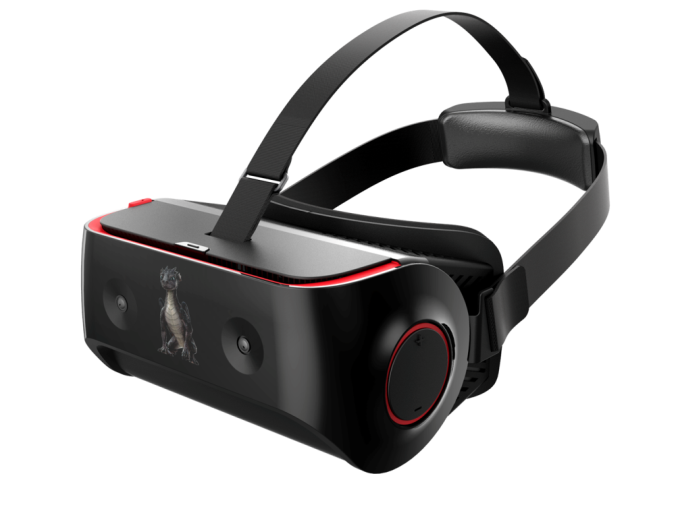
Following up the announcement of details on the Snapdragon 821, Qualcomm is also announcing a dedicated standalone VR HMD running Snapdragon 820 as a reference design which was designed in partnership with Goertek as the ODM. The VR820 reference design has a 1440x1440 AMOLED display per eye at 70 Hz and can display 4K at 70 FPS with HEVC. This reference design uses Android and supports the 6DoF Tango APIs, so head tracking is seamless. Motion to photon latency is 18 ms which is probably at least comparable to the Gear VR. The VR820 reference design will be available Q4 2016 and commercial devices based on this reference design will be available next year.
For wearables, the major announcement that Qualcomm has of note is announcing their design wins in the Fossil Q Wander and Q Marshall which use Snapdragon Wear 2100 which has quad core 1.2 GHz Cortex A7s.
Finally, the QCA9379 is a combo chip with dual stream WiFi 802.11ac, Bluetooth 4.2, and MU-MIMO for WiFi. There’s also support for WiFi and Bluetooth coexistence and integrates power amplifiers and LNAs onto a single chip to reduce cost. There’s also set top box reference design that uses Snapdragon 820 which also has dual stream 802.11ac. Both are sampling now with commercial device availability expected by the end of this year. | ||||||||||||||||||||||||||||||||||||||||||||||||||||||||||||||||||||||||||||||||||||||||||||||||||||||||||||||||||||||||||||||||||||||||||||||||||||||||||||||||||||||||||||||||||||||||||||||||||||||||||||||||||||||||||||||||||||||||
| 2:05p | Lenovo’s Yoga Book Convertible Scraps Physical Keyboard in Favor of Touch-Sensitive Surface
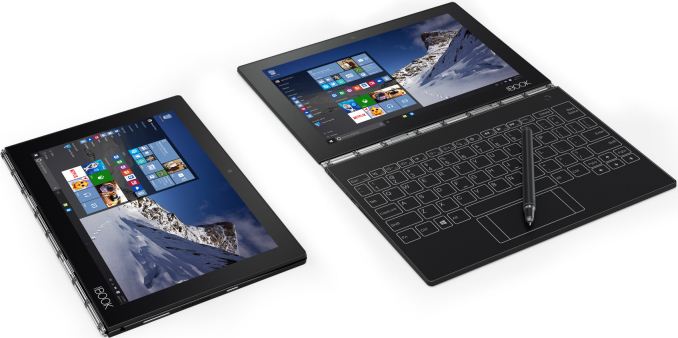
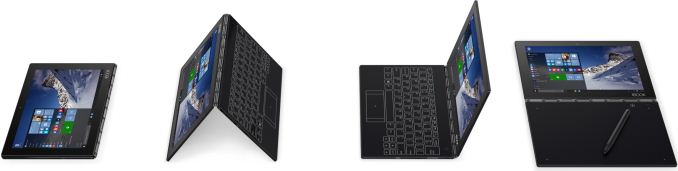
At IFA trade show in Berlin, Lenovo announced its latest addition to the Yoga product line, the Yoga Book convertible laptop that replaces physical keyboard with a large touchpad, which can act as a keyboard and a drawing board. The Yoga Book will be one of the thinnest and lightest convertibles on the market and will be available with Google Android and Microsoft Windows OSes. From hardware point of view, the Lenovo Yoga Book is an ultra-thin convertible featuring a 10.1” capacitive touch IPS display (1920×1200 resolution) that is based on the Intel Atom x5-8550 which is Intel's Cherry Trail SoC with four cores running at up to 2.4 GHz, 2 MB cache, and 12 EU Gen 8 integrated graphics. The device is equipped with 4 GB of LPDDR3, 64 GB of NAND flash storage (a microSD card is also present), 802.11 ac Wi-Fi as well as LTE connectivity and so on. The Yoga Book system is just 9.6 mm thick and weighs only 690 grams since it is made of magnesium aluminum alloy. However, specifications and dimensions are not the key highlights of the novelty.
Gallery: Lenovo Yoga Book with Windows 10
      The Yoga Book convertible is one of the first products of this kind to scrap a physical keyboard in favor of a large 10.1” touchpad covered with a special anti-glare matte glass and featuring backlighting that turns on when the keyboard is needed. The surface, which Lenovo calls the Halo Keyboard, supports a haptic touch feedback technology to emulate physical keyboard and thus reduce the amount of typos that usually occurs when typing on tablets. To further speed up typing, Lenovo developed a special app that learns its user’s typing habits and tries to predict the words that are typed. The surface is essentially a large digitizer featuring Wacom technologies, it is possible to place a piece of paper on it, draw something, or write a note, and get it digitized automatically. To do so, you’ll need Lenovo’s dual-use active electrostatics (ES) stylus with Wacom Feel tech that supports 2048 levels of pressure sensitivity and can also write/draw on regular paper (special refills are needed).
The replacement of a physical keyboard with touch-sensitive surface allowed Lenovo to make its Yoga Book thinner than other convertibles with flip around hinges. At the same time, this opens up doors to new usage models for the device, at least for those, who use a stylus.
The manufacturer intends to offer several versions of its ultra-thin convertible. The Yoga Book in gold or gunmetal finishes with Google Android 6.0 OS will be available starting at $499. The carbon black Yoga Book Windows 10 will be priced starting at $549, whereas convertibles with Windows 10 Pro will be slightly more expensive. All versions are expected to hit the market in October. Gallery: Lenovo Yoga Book with Android 6.0
      | ||||||||||||||||||||||||||||||||||||||||||||||||||||||||||||||||||||||||||||||||||||||||||||||||||||||||||||||||||||||||||||||||||||||||||||||||||||||||||||||||||||||||||||||||||||||||||||||||||||||||||||||||||||||||||||||||||||||||














| << Previous Day |
2016/09/01 [Calendar] |
Next Day >> |