[Most Recent Entries] [Calendar View]
Thursday, July 27th, 2017
- Razer Files for IPO in Hong Kong to Raise $600 Million
- Corsair Unveils T1 RACE Gaming Chair: Five Colors, $350
- Corsair Launches Glaive RGB Mouse: 16,000 DPI, Interchangeable Grips, LEDs
- Corsair Vengeance RGB DDR4 Memory Modules with LEDs Now on Sale
- CORSAIR ONE Gaming PC Released
- Corsair’s Bulldog 2.0 Gets Kaby Lake-Compatible Z270 Motherboard, New Cooler
- Corsair Releases Force MP500 SSDs: 3 GB/s, Phison PS5007-E7, MLC NAND
- Lexar Launches 'JumpDrive Tough' USB Drives up to 128GB: Focusing on Physical Endurance
- Kingston Launches DataTraveler Ultimate GT USB Flash Drive with 2 TB Capacity
- Corsair Flash Voyager GS USB 3.0 512GB Flash Drive Capsule Review
- Patriot Supersonic Rage 2 USB 3.0 256GB Flash Drive Capsule Review
- SanDisk Unveils New Generation of USB Type-C Flash Drives
- USB Flash Drives - Power Consumption Measurement using Plugable's USBC-TKEY
- Mushkin Impact 256GB and Atom 128GB USB Flash Drives Capsule Review
- Hands on with iPod Touch 5th Gen, iPod Nano 7th Gen, and EarPods
- Apple Introduces New 8-pin Dock Connector, Dubs It Lightning
- The Apple Watch Series 2 Review: Building Towards Maturity
- Hands On with the iPhone 7 and 7 Plus
| Time | Event | |||||||||||||||||||||||||||||||||||||||||||||||||||||||||||||||||||||||||||||||||||||||||||||||||||||||||||||||||||||||||||||||||||||||||||||||||||||||||||||||||||||||||||||||||||||||||||||||||||||||||||||||||||||||||||||||||||||||||||||||||||||||||||||||||||||||||||||||||||||||||||||||||||||||||||||||||||||||||||||||||||||||||||||||||||||||||||||
| 9:00a | AMD Releases Bristol Ridge to Retail: AM4 Gets APUs
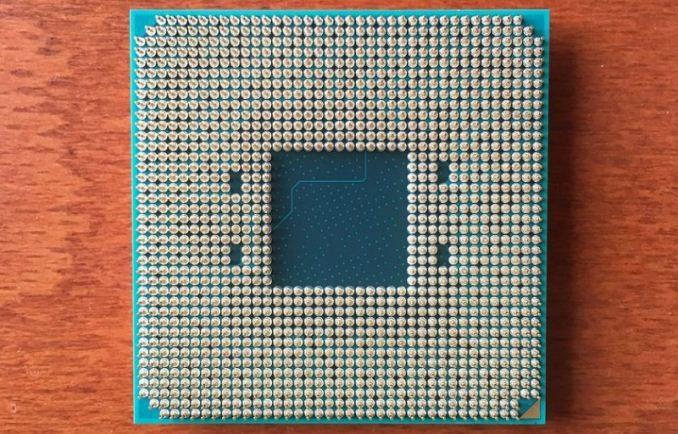
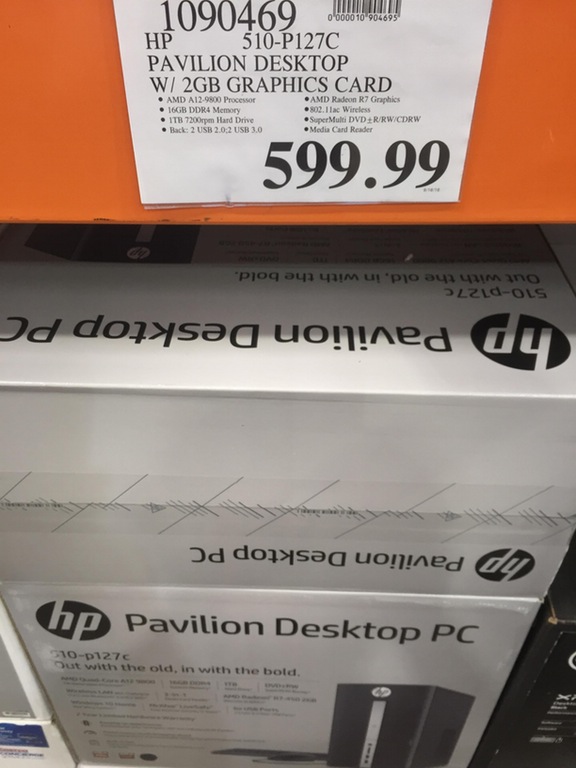
The focus for AMD’s AM4 platform is to span a wide range of performance and price points. We’ve had the launch of the Ryzen CPU family, featuring quad cores up to octa-cores with the new Zen microarchitecture, but AM4 was always designed to be a platform that merges CPUs and integrated graphics. We’re still waiting for the new Zen cores in products like Ryzen to find their way down into the desktop in the form of the Raven Ridge family, however those parts are going through the laptop stack first and will likely appear on the desktop either at the end of the year or in Q1 next year. Until then, users get to play with Bristol Ridge, originally released back in September 2016, but finally making its way to retail. First the OEMs, Now Coming To RetailBack in 2016, AMD released Bristol Ridge to OEMs only. These parts were the highest performing iteration of AMD’s Bulldozer design, using Excavator v2 cores on an AM4 motherboard and using DDR4. We saw several systems from HP and others that used proprietary motherboard designs (as the major OEMs do) combined with these CPUs at entry level price points. For example, a base A12-9800 system with an R7 200-series graphics card was sold around $600 at Best Buy. Back at launch, Reddit user starlightmica saw this HP Pavilion 510-p127c in Costco:
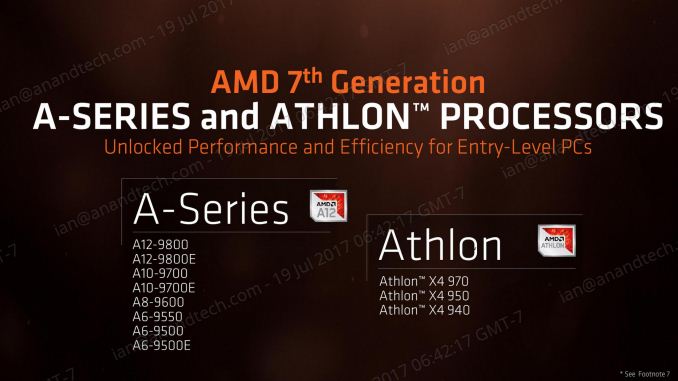
$600 gets an A12-9800, 16GB of DDR4, a 1TB mechanical drive, an additional R7 2GB graphics card, 802.11ac WiFi, a DVDRW drive, and a smattering of USB ports. Initially AMD's focus on this was more about B2B sales. AMD’s reasoning for going down the OEM only route was one of control and marketing, although one might suggest that by going OEM only, it allowed distributors to clear their stocks of the previous generation APUs before Ryzen hit the shelves. Still, these were supposed to be the highest performing APUs that AMD has ever made, and users still wanted a piece of the action. If you were lucky, a part might pop up from a broken down system on eBay, but for everyone else, the question has always been when AMD would make them available through regular retail channels. The answer is today, with a worldwide launch alongside Ryzen 3. AMD states that the Bristol Ridge chips aren’t designed to be hyped up as the biggest thing, but fill in the stack of CPUs below $130, an area where AMD has had a lot of traction in the past, and still provide the best performance-per-dollar APU on the market. The CPUsThe eight APUs and three CPUs being launched f spans from a high-frequency A12 part to the A6, and they all build on the Bristol Ridge notebook parts that were launched in 2016. AMD essentially skipped the 6th Gen, Carrizo, for desktop as the Carrizo design was significantly mobile focused (for Carrizo we ended up with one CPU, the Athlon X4 845 (which we reviewed), with DDR3 support but no integrated graphics). Using the updated 28nm process from TSMC, AMD was able to tweak the microarchitecture and allow full on APUs for desktops using a similar design.
The table of 'as many specifications as we could get our hands on' is as follows:
AMD’s new entry-level processors will hit a maximum of 65W in their official thermal design power (TDP), with the launch offering a number of 65W and 35W parts. There was the potential to offer CPUs with a configurable TDP, as with previous APU generations, however much like the older parts that supported 65W/45W modes, it was seldom used, and chances are we will see system integrators stick with the default design power windows here. Also, the naming scheme: any 35W part now has an ‘E’ at the end of the processor name, allowing for easier identification. Back when these CPUs were first launched, we were able to snag a few extra configuration specifications for each of the processors, including the number of streaming processors in each, base GPU frequencies, base Northbridge frequencies, and confirmation that all the APUs launched will support DDR4-2400 at JEDEC sub-timings. The A12-9800 at the top of the stack is an interesting part on paper. If we do a direct comparison with the previous high-end AMD APUs, the A10-7890K, A10-7870K and A10-7860K, a lot of positives end up on the side of the A12.
The frequency of the A12-9800 gives it a greater dynamic range than the A10-7870K (having 3.8-4.2 GHz, rather than 3.9-4.1), but with the Excavator v2 microarchitecture, improved L1 cache, AVX 2.0 support and a much higher integrated graphics frequency (1108 MHz vs. 866 MHz) while also coming in at 30W less TDP. The 30W TDP jump is the most surprising – we’re essentially getting better than the previous A10-class performance at a lower power, which is most likely why they started naming the best APU in the stack an ‘A12’. Basically, the A12-9800 APU will be an extremely interesting one to review given the smaller L2 cache but faster graphics and DDR4 memory. One thing users will notice is the PCIe support: these Bristol Ridge APUs only have PCIe 3.0 x8 for graphics. This means that most X370 motherboards that have two GPU slots will leave the second slot useless. AMD suggests moving to B350 instead, which only allows one add-in card. The Integrated GPUFor the A-series parts, integrated graphics is the name of the game. AMD configures the integrated graphics in terms of Compute Units (CUs), with each CU having 64 streaming processors (SPs) using GCN 1.3 (aka GCN 3.0) architecture, the same architecture as found in AMD’s R9 Fury line of GPUs. The lowest processor in the stack, the A6-9500E, will have four CUs for 256 SPs, and the A12 APUs will have eight CUs, for 512 SPs. The other processors will have six CUs for 384 SPs, and in each circumstance the higher TDP processor typically has the higher base and turbo frequency.
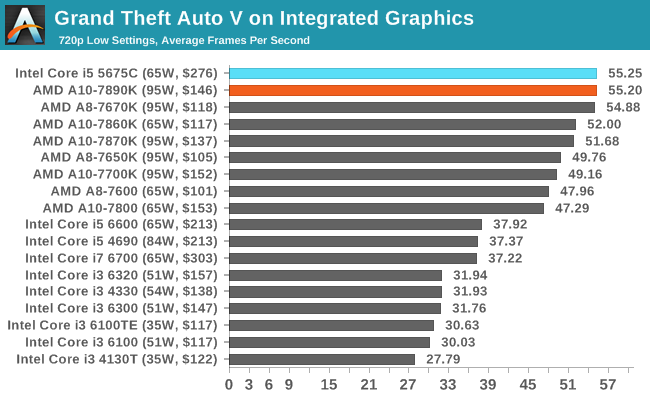
The new top frequency, 1108 MHz, for the A12-9800 is an interesting element in the discussion. Compared to the previous A10-7890K, we have a +28% increase in raw GPU frequency with the same number of streaming processors, but a lower TDP. This means one of two things – either the 1108 MHz frequency mode is a rare turbo state as the TDP has to be shared between the CPU and APU, or the silicon is sufficient enough to maintain a 28% higher frequency with ease. Obviously, based on the overclocking results seen previously, it might be interesting to see how the GPU might change in frequency without a TDP barrier and with sufficient cooling. For comparison, when we tested the A10-7890K in Grand Theft Auto at a 1280x720 resolution and low-quality settings, we saw an average 55.20 FPS.
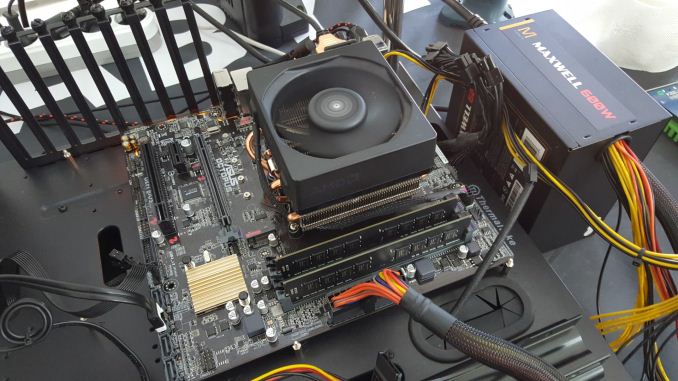
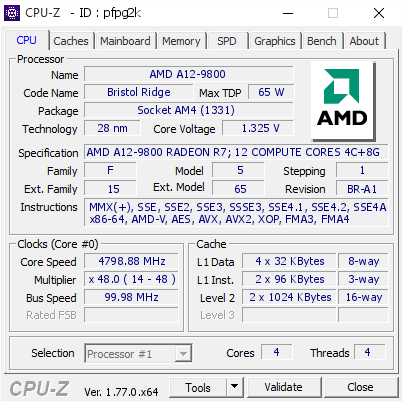
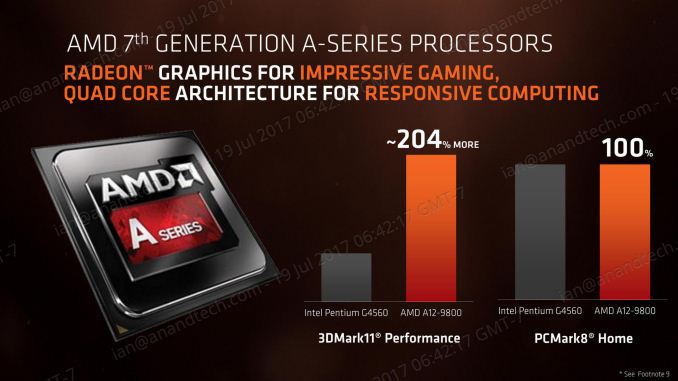
Bearing in mind the change in the cache configuration moving to Bristol Ridge, moving from a 4 MB L2 to a 2 MB L2 but increasing the DRAM compatibility from DDR3-2133 to DDR4-2400, that value should move positive, and distinctly the most cost effective part for gaming. Each of these processors supports the following display modes: - DVI, 1920x1200 at 60 Hz Technically the processor will support three displays, with any mix of the above. Analog video via VGA can be supported by a DP-to-VGA converter chip on the motherboard or via an external dongle. For codec support, Bristol Ridge can do the following (natively unless specified): - MPEG2 Main Profile at High Level (IDCT/VLD) AMD still continues to support HSA and the arrangement between the Excavator v2 modules in Bristol Ridge and the GCN graphics inside is no different – we still get Full 1.0 specification support. With the added performance, AMD is claiming equal scores for the A12-9800 on PCMark 8 Home with OpenCL acceleration as a Core i5-6500 ($192 tray price), and the A12-9800E is listed as a 17% increase in performance over the i5-6500T. With synthetic gaming benchmarks, AMD is claiming 90-100% better performance for the A12 over the i5 competition. Performance PreviewBack when Bristol Ridge first launched to OEMs, several users managed to benchmark the processors to get some data. We cannot confirm these results, but it paints an interesting picture. NAMEGT, a South Korean overclocker with ties to ASUS, has pushed the A12-9800 APU to 4.8 GHz by adjusting the multiplier. To do this, he used an early ASUS AM4 motherboard and AMD’s 125W Wraith air cooler.
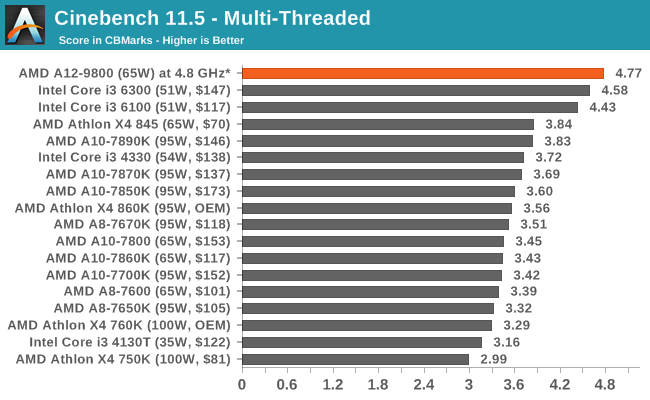
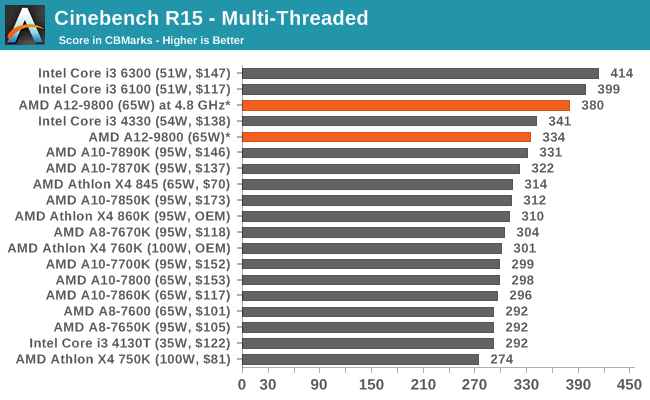
NAMEGT ran this setup on multi-threaded Cinebench 11.5 and Cinebench 15, scoring 4.77 and 380 respectively for a 4.8 GHz overclock. If we compare this to our Bench database results, we see the following:
For Cinebench 15, this overclocked score puts the A12-9800 above the Haswell Core i3-4360 and the older AMD FX-4350, but below the Skylake i3-6100TE. The Athlon X4 845 at stock frequencies scored 314 while running at 3.5 GHz, which would suggest that a stock A12-9800 at 3.8 GHz would fall around the 340 mark.
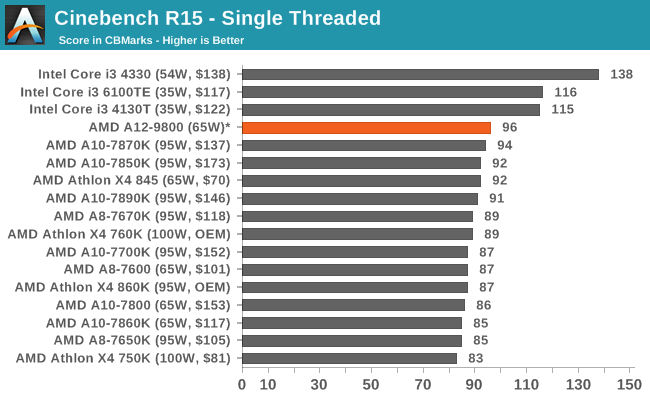
A preview by Korean website Bodnara, using the A12-9800 in a GIGABYTE motherboard, scored 334 for a stock Cinebench 15 multithreaded test and 96 for the single threaded test.
When we previously tested the Excavator architecture for desktop on the 65W Athlon X4 845, overclocking was a nightmare, with stability being a large issue. At the time, we suspected that due to the core design being focused towards 15W, moving beyond 65W was perhaps a bit of a stretch for the design at hand. This time around, as we reported before, Bristol Ridge is using an updated 28nm process over Carrizo, which may have a hand in this.
PricePrices were not disclosed at the time of writing, although all the chips should be in the $50-$110 range. Certain models will be shipped with AMD’s 65W and 95W near-silent coolers, as we saw on the Kaveri refresh CPUs early last year.
AMD’s main competition in this space will be Intel’s Kaby Lake Pentium and Celeron lines, with AMD pushing the integrated graphics performance being on a much higher level. Intel would counter with a stronger single-thread performance in more office type workloads. AMD is planning to launch Raven Ridge for desktops sometime at the end of the year or Q1, after the laptop launch. These processors fill in that hole for the time being, although we’re all ready to experience Zen in an APU. Some parts of this news were posted when Bristol Ridge originally launched. We're still waiting on some of the processor specifications and will update when we get them. | |||||||||||||||||||||||||||||||||||||||||||||||||||||||||||||||||||||||||||||||||||||||||||||||||||||||||||||||||||||||||||||||||||||||||||||||||||||||||||||||||||||||||||||||||||||||||||||||||||||||||||||||||||||||||||||||||||||||||||||||||||||||||||||||||||||||||||||||||||||||||||||||||||||||||||||||||||||||||||||||||||||||||||||||||||||||||||||
| 9:00a | Toshiba Announces TR200 Retail SATA SSDs With 3D NAND
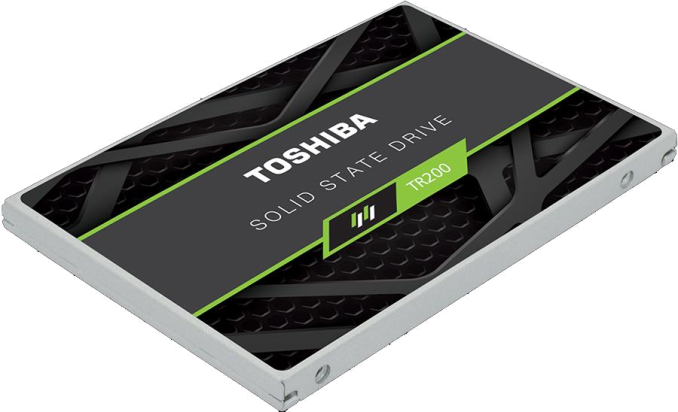
Toshiba has announced their first retail SSDs to use 3D NAND. The new TR200 series will use Toshiba's 64-layer BiCS3 3D TLC NAND, the first generation of their 3D NAND flash technology to be suitable for mainstream mass-market use. The TR200 series is the successor to the OCZ Trion 100 and Trion 150 SSDs, the latter of which was renamed TR150 when Toshiba began assimilating the OCZ brand identity. The TR200 series will not bear the OCZ name, but Toshiba is not completely abandoning the OCZ brand. Where the previous Trion/TR series SSDs served as Toshiba's entry-level SATA offering and split the market with their MLC-based Vector/VT 180 and VX500, the TR200 will be Toshiba's only retail SATA SSD for this generation. As with most other SSD vendors, Toshiba is no longer using MLC for new mainstream consumer SSDs based on 3D NAND flash. Unusually, Toshiba's TR200 will feature a DRAM-less controller design, which typically restricts the performance to only be competitive in the entry-level segment of the SATA market. The controller may be a descendant of the Toshiba controller used in the OCZ VX500, updated to support TLC and larger capacities. However, it's possible that like previous generations of the TR series, the TR200 is using a re-badged Phison controller—Phison's S11 this time instead of the S10 used in the earlier generations. The ultra-low-end and low-capacity TL100 that was introduced last year is also not getting a direct successor. Toshiba's OCZ VX500 high-end SATA SSD isn't getting a direct successor based on 3D NAND, but it is not being retired yet either. It remains to be seen whether Toshiba will introduce a NVMe SSD using 3D MLC, but their most likely strategy will be a retail version of the OEM-only XG5 NVMe SSD with 3D TLC. The XG5 is the successor for both the TLC-based XG4 and the MLC-based XG3 whose retail counterpart was the OCZ RD400.
The TR200 carries the same three-year warranty and write endurance ratings as its predecessor. Performance specifications have only changed slightly, with the most significant difference being substantially improved random write performance. Pricing has not yet been announced. The TR200 series will start shipping to retailers this fall. It will compete against Western Digital's SATA SSDs using the same BiCS3 3D TLC NAND, the new WD Blue and SanDisk Ultra 3D. Intel's SSD 545s is already available. Most other SSD vendors can also be expected to soon announce new products featuring 64-layer 3D NAND to ship late this year. | |||||||||||||||||||||||||||||||||||||||||||||||||||||||||||||||||||||||||||||||||||||||||||||||||||||||||||||||||||||||||||||||||||||||||||||||||||||||||||||||||||||||||||||||||||||||||||||||||||||||||||||||||||||||||||||||||||||||||||||||||||||||||||||||||||||||||||||||||||||||||||||||||||||||||||||||||||||||||||||||||||||||||||||||||||||||||||||
| 9:30a | The AMD Ryzen 3 1300X and Ryzen 3 1200 CPU Review: Zen on a Budget AMD has always promised that Zen is a core suitable form entry level x86 computers all the way up to high-performance server parts. Within that scale so far, AMD has launched EPYC for servers, Ryzen 7 for high-end desktop and Ryzen 5 for mainstream consumers. All that is left is Threadripper for super-high-end desktops, coming in August, Zen paired with graphics, coming in Q3/Q4, and Ryzen 3 for entry level desktops, being launched today. The two entry level parts are quad core Zen CPUs, targeting the $109 to $129 boundary and offering four full x86 cores for the same price Intel offers two cores with hyperthreading. | |||||||||||||||||||||||||||||||||||||||||||||||||||||||||||||||||||||||||||||||||||||||||||||||||||||||||||||||||||||||||||||||||||||||||||||||||||||||||||||||||||||||||||||||||||||||||||||||||||||||||||||||||||||||||||||||||||||||||||||||||||||||||||||||||||||||||||||||||||||||||||||||||||||||||||||||||||||||||||||||||||||||||||||||||||||||||||||
| 11:00a | EagleTree and Partners Acquire Majority Stake in Corsair for $525 Million
EagleTree Capital, the Investment Management Corp. of Ontario (IMCO), and the Honeywell pension fund on Wednesday announced that they had reached an agreement to acquire a majority stake in Corsair. Andy Paul, founder and CEO of Corsair, will continue to serve as the head of the company. Corsair expects to use investments from EagleTree and its partners to fund development of new technologies and products. Corsair was founded in 1994 and initially focused on high performance memory modules. Since its establishment more than 20 years ago, Corsair has expanded its product lineup considerably to computer cases, NAND flash-based products, coolers, keyboards, mice, PSUs and even actual gaming PCs. All these expansions require a lot of money and back in 2013 Corsair received $75 million in strategic investments from Francisco Partners. Further growth and increased competition from companies like Razer and other brands require additional investments and Corsair got them from EagleTree, IMCO, and Honewell. The three investors will buy a majority stake in Corsair from Francisco Partners and several minority shareholders for $525 million. Since the deal is conducted between private equities, they are not disclosing how much money will be paid to Francisco Partners and how much will go into Corsair's coffers for investment into the development of new products.
“We are excited about the opportunity to partner with EagleTree and leverage the team’s consumer products expertise to further accelerate our progress,” said Andy Paul, founder and CEO of Corsair. “EagleTree’s backing will allow us to continue to focus first and foremost on our loyal and passionate customers and accelerate our investment in innovation and new technology and products to enhance the quality experience that enthusiasts and gamers have come to expect from us.” Under the terms of the agreement with EagleTree and its partners, Andy Paul and other managers of the company will continue to control a significant stake in Corsair. Moreover, they will also continue to serve at the company and therefore Corsairs’ strategy will generally remain the same. In particular, the company considers its PC business a significant growth opportunity and will therefore likely continue to invest in it. Razer, which is one of the rivals of Corsair, recently disclosed plans to raise around $600 million in Hong Kong IPO in a bid to enable further growth. With money from EagleTree and its partners, Corsair will have similar investment opportunities going forward. Related Reading: | |||||||||||||||||||||||||||||||||||||||||||||||||||||||||||||||||||||||||||||||||||||||||||||||||||||||||||||||||||||||||||||||||||||||||||||||||||||||||||||||||||||||||||||||||||||||||||||||||||||||||||||||||||||||||||||||||||||||||||||||||||||||||||||||||||||||||||||||||||||||||||||||||||||||||||||||||||||||||||||||||||||||||||||||||||||||||||||
| 2:00p | EVGA Introduces the GTX 1080 Ti K|NGP|N Edition Video Card
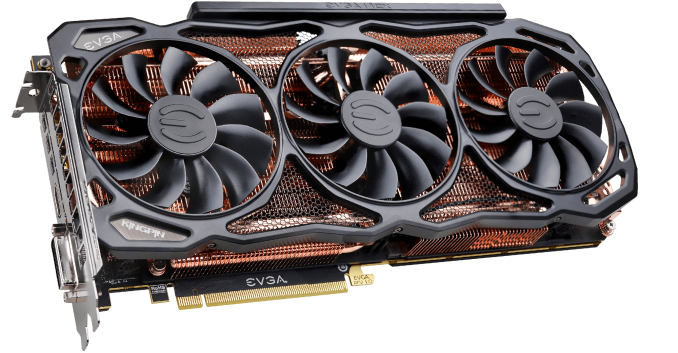
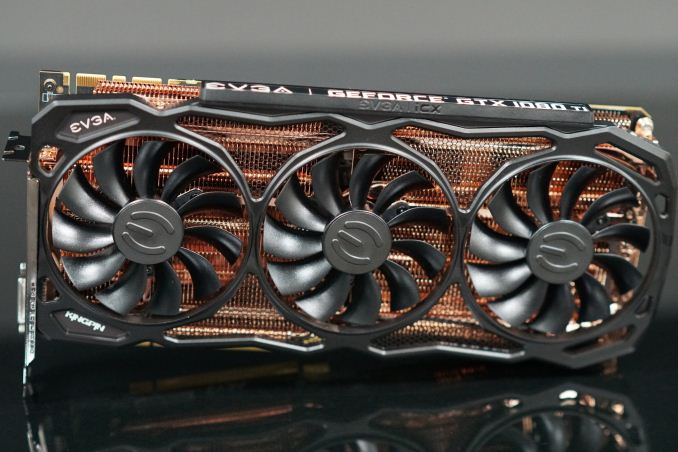
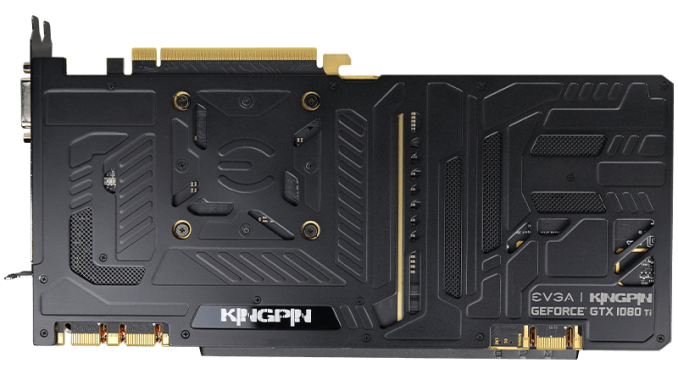
Since the release of NVIDIA's Pascal architecture, specifically the fully enabled Geforce GTX 1080 Ti, many enthusiasts have been eagerly awaiting card partners' flagship parts built off the big silicon. After a couple of months, we saw the ASUS ROG Poseidon 1080 Ti, AORUS Extreme Edition, and most recently, the MSI Lightning hit store shelves. Missing from that group was EVGA’s K|NGP|IN which was formally introduced earlier this week.
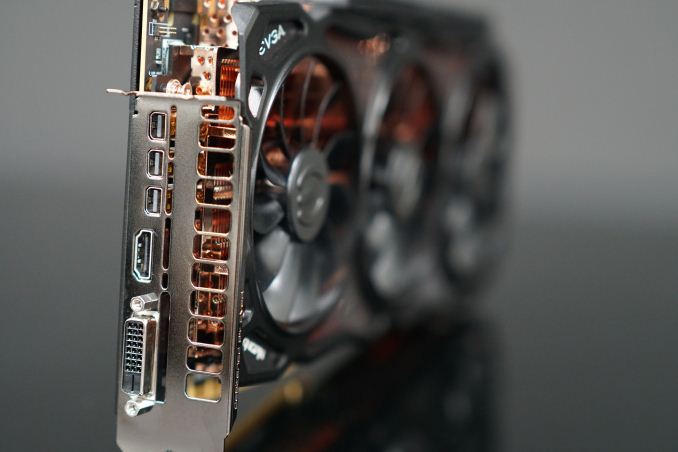
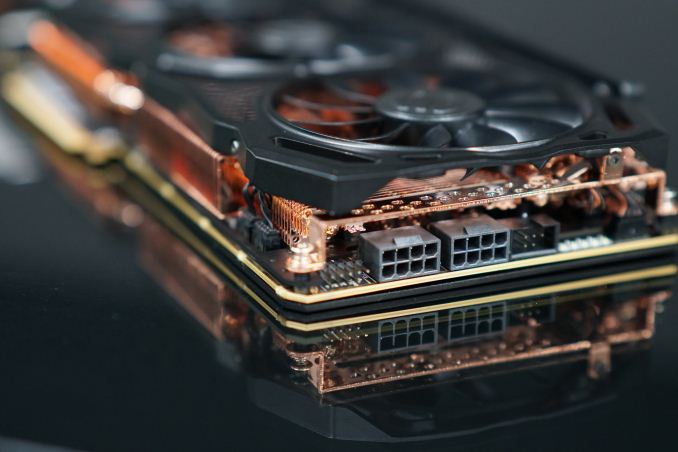
The K|NGP|N (KPE) version is, by all accounts, a video card engineered to be overclocked. The EVGA website boldly proclaims it is, “Designed to be the best Overclocking Geforce GTX 1080 Ti”. In fact, the KPE GPU is guaranteed by EVGA to reach 2025 MHz+ overclock (tested using Unigine Heaven 4.0 Extreme at room temperatures). In their release video, product manager Jacob Freeman said they expect most to overclock even further. While the overclocked clock speeds are within reach to other cards, it certainly isn't for all. It appears some binning went into choosing the stock for the KPE in order to stand behind that guarantee. The KPE also has three BIOSes on the card (normal, overclocked, and LN2), which can be toggled via a switch on top of the card. The OC and LN2 BIOSs are said to allow for more flexibility with the power target among other tweaks. Near to where that switch is located, there is another point for connectivity for an upcoming accessory and access to additional features. EVGA uses two 8-pin PCIe connectors to deliver power to an all-digital, 14 phase VRM. Atypically, these connectors are located on the bottom right edge of the board, along with the EVbot connector and USB connector to attach directly to the motherboard.
In order to keep the card running cool, EVGA includes its iCX Technology on the KPE, which uses an additional 9 thermal sensors – for a total of 11 – in critical locations on the PCB (x5 on the VRMs, x3 for the vRAM, and another sensor on the GPU itself). The additional data these sensors provide allow the independent fans to speed up and cool the video card where it’s needed, while the other fan(s) spin slower. Even with the copper coated heat sinks and fans, this is a true dual-slot card. It can also be a single slot solution if the heat sink is removed and adding a Hydro Copper waterblock and using the included single slot bracket. The backplate is not only there for aesthetic and structural reasons; it also makes contact with key areas of the PCB, for example behind the VRMs, in order to help with cooling.
The low level specifications on the 1080 Ti K|NGP|N Edition remain the same as other GP102 based cards in reference to ROPs (88), TMUs (224), and CUDA Cores (3584), only the clockspeeds will be different on that front. The 100 Mhz base clock bump over reference leading the pack out of the box, but the card is meant to be overclocked considering its clock speed guarantee.
Price and availability were not available at the time of publication. Related Reading: | |||||||||||||||||||||||||||||||||||||||||||||||||||||||||||||||||||||||||||||||||||||||||||||||||||||||||||||||||||||||||||||||||||||||||||||||||||||||||||||||||||||||||||||||||||||||||||||||||||||||||||||||||||||||||||||||||||||||||||||||||||||||||||||||||||||||||||||||||||||||||||||||||||||||||||||||||||||||||||||||||||||||||||||||||||||||||||||
| 5:00p | Silicon Power Launches Mobile C50 USB Drive with USB Type-A, Micro-B and Type-C
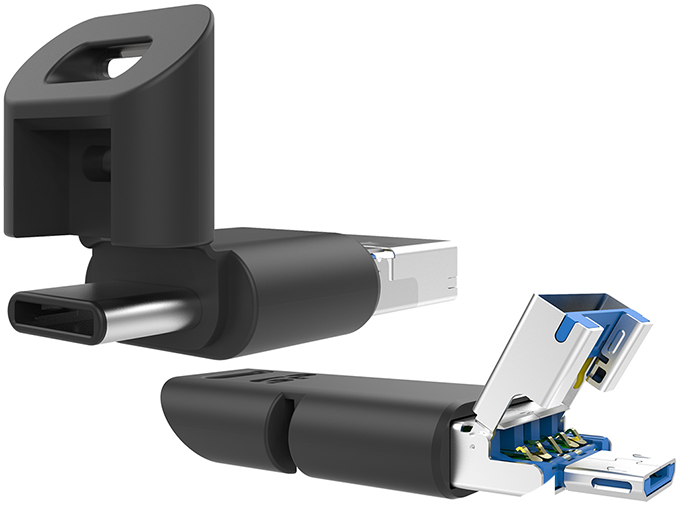
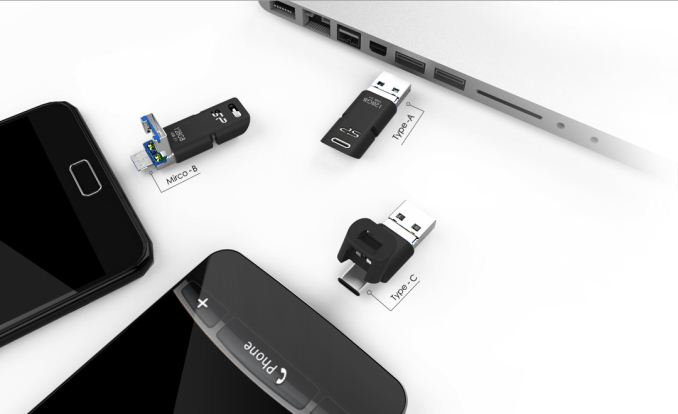
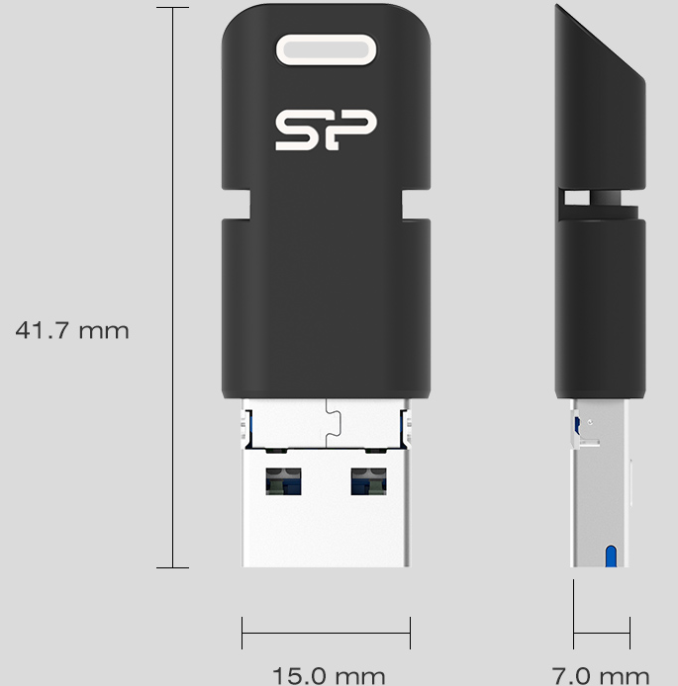
This week Silicon Power has announced a rather unique series of USB flash drives. Dubbed the Mobile C50, the Swiss army knife-type USB flash drive is a 3-in-1 drive that features all three major types of USB connectors, and as a result can be used with virtually all USB host devices from PCs to smartphones. The drives come with up to 128 GB capacity along with additional software to make them further compatible with mobile devices. The Silicon Power Mobile C50 flash drives feature 32 GB, 64 GB and 128 GB configurations and are equipped with USB Type-A, USB Micro-B, and USB Type-C connectors. Meanwhile the interesting construction of the drives is designed to protect the connectors from damage: the Micro-B connector is sheltered by the Type-A connector, whereas the Type-C connector is protected by a rubber cap (specified to be snapped open over 10,000 times). Along those lines, the drives are also built to protect against dust, water as well as vibration and can operate at temperatures between 0°C and 70°C.
When it comes to performance, Silicon Power only says that the USB Type-A and the USB Type-C connectors enable up to 5 Gbps data transfer rate (USB 3.0), whereas the USB Micro-B connector is a 2.0 style connector, and consequently can transfer data only at up to 480 Mbps. With PC host compatibility a given, mobile compatibility is a bit trickier, and for that reason Silicon Power also ships their SP File Explorer App (for Android mobile devices) with the devices.
Silicon Power will start selling the new 3-in-1 SP Mobile C50 USB flash drives in the coming weeks. The storage devices will be covered by a five-year limited warranty.
Related Reading: | |||||||||||||||||||||||||||||||||||||||||||||||||||||||||||||||||||||||||||||||||||||||||||||||||||||||||||||||||||||||||||||||||||||||||||||||||||||||||||||||||||||||||||||||||||||||||||||||||||||||||||||||||||||||||||||||||||||||||||||||||||||||||||||||||||||||||||||||||||||||||||||||||||||||||||||||||||||||||||||||||||||||||||||||||||||||||||||
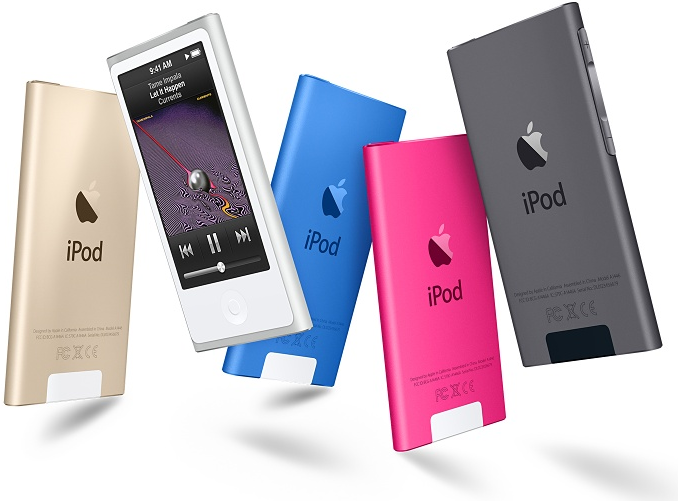
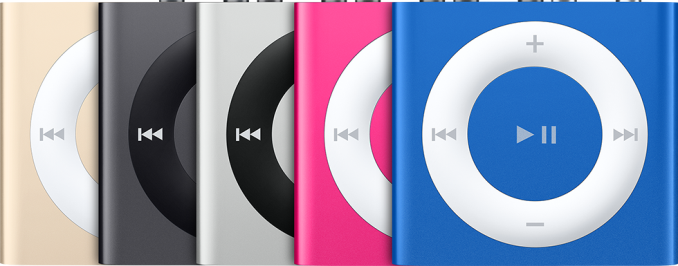
| 9:00p | Apple Discontinues iPod Nano and iPod Shuffle
Apple has discontinued its iPod Nano and iPod Shuffle personal media players. The only iPod that remains in Apple’s fleet is the iPod Touch, which is based on the iOS device hardware and software stacks. At present, Apple’s iPod Nano and iPod Shuffle are still available from retailers like BestBuy, but EOL of the outdated iPods once again signals that MP3 players are essentially a dead product category. Apple launched its first iPod in late 2001 and the player quickly gained popularity among users of Apple’s Mac computers. Initially, Steve Jobs did not want iPod to be compatible with Windows-based PCs as he considered the player to be an important selling point for the Mac platform as back then MP3 players from other makers were not sophisticated or user friendly. Moreover, in the lack of smartphones in Apple’s arsenal, iPod and iTunes (launched in early 2003) were in the center of its personal digital media strategy of the company. Other executives at Apple persuaded the CEO to make iPod and iTunes compatible with Windows in 2004 and this is when sales of the music player started to grow rapidly. Several years later, the iPod became Apple’s most successful product ever and brought the company billions of dollars. Over time, many third-party accessories were developed for iPods, creating an industry around one product. Besides, Apple’s iPod players were among of the most desired Christmas gifts in the U.S. in the second half of 2000s.
Throughout its more than 15-year history, Apple’s iPod has changed its form-factor multiple times and switched hardware platforms for a dozen of times. For example, Apple’s initial iPods used miniature HDDs (including HGST’s and Seagate’s 1” hard drives in the iPod Mini), but eventually all of them switched to NAND flash memory. With iPod Touch, the players obtained hardware found in iPhones and started to use iOS. As sales of Apple’s iPhones increased, shipments of the company’s iPods declined because people now use smartphones to watch videos and listen to music. As a result, the company began to phase out the iPod. At first, Apple discontinued the iPad Classic player in 2014. This week, the company EOLed its iPod Nano, iPod Shuffle, as well as iPod Touch with 16 GB and 64 GB of memory. The only iPods left are the iPod Touch models with 32 GB and 128 GB of storage. The discontinued iPod Nano and iPod Shuffle were released on 2012 and 2010, respectively. Moreover, the existing iPod Touch was launched in mid-2015. Officially, Apple claims that the discontinuance of the outdated iPods is a way to simplify the product family. On the other hand, due to dropping sales of personal media players (the company has not reported sales of players for years), it may simply make no sense for Apple to keep the cheap and unpopular models in the lineup. "Today, we are simplifying our iPod lineup with two models of iPod Touch, now with double the capacity, starting at just $199, and we are discontinuing the iPod Shuffle and iPod Nano," a statement by Apple reads. Related Reading: Sources: The Verge, Business Insider. | |||||||||||||||||||||||||||||||||||||||||||||||||||||||||||||||||||||||||||||||||||||||||||||||||||||||||||||||||||||||||||||||||||||||||||||||||||||||||||||||||||||||||||||||||||||||||||||||||||||||||||||||||||||||||||||||||||||||||||||||||||||||||||||||||||||||||||||||||||||||||||||||||||||||||||||||||||||||||||||||||||||||||||||||||||||||||||||
| 10:00p | AMD Releases Radeon Pro Software Enterprise Driver 17.Q3
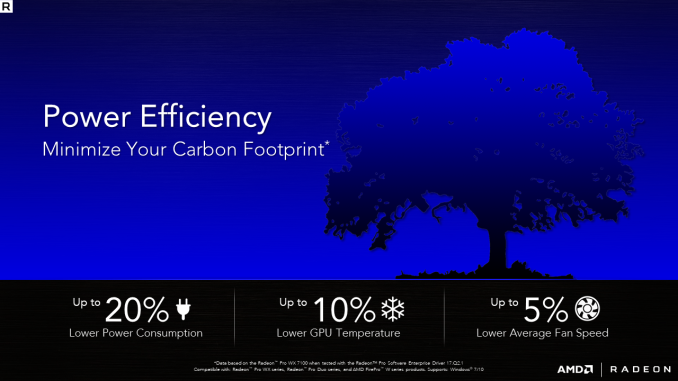
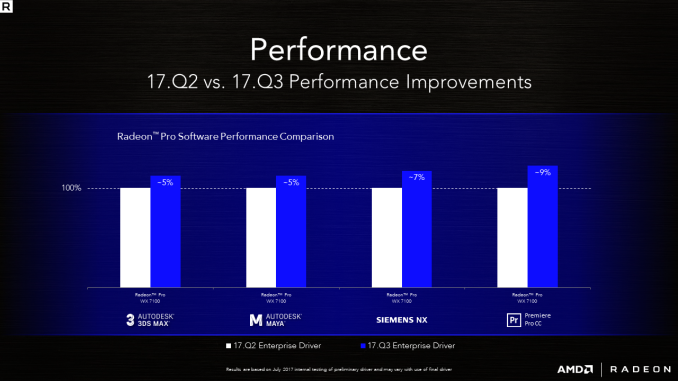
This Thursday marks AMD’s third quarter update of Radeon Pro Software Enterprise, AMD’s enterprise and workstation graphics drivers. While Radeon Pro Software Enterprise 17.Q3 is not as extensive as last quarter’s 17.Q2, this release continues the pace of post-FirePro enterprise-ready software support, standing adjacent to this week’s major Radeon Software 17.7.2 launch. Introduced last fall as a replacement to the AMD FirePro drivers, Radeon Pro Software Enterprise exists separately from the standard consumer Radeon Software and general professional Radeon Pro Software. As the namesake suggests, Radeon Pro Software Enterprise is geared towards enterprises, with workstation application certification and regular updates on the 4th Thursday of every quarter. Radeon Pro Software Enterprise also comes with 24/7 Radeon Pro support and AMD’s Prioritized Enterprise Support program, where AMD works with the custom, OEMs, and ISVs to provide priority engineering support. 17.Q3 sees official support for the Radeon Pro Duo (Polaris), Radeon Pro WX 3100, and Radeon Pro WX 2100, all products that were launched after the release of 17.Q2. For older products, AMD did note substantial gains for the WX 7100 with respect to power consumption and professional application performance.
For 17.Q3, AMD has also added support for the Windows 10 Creators Update. In addition, AMD has added 8K resolution and Dell High Dynamic Range display support, as well as VR support for Autodesk VRED. In terms of bug fixes, the 17.Q3 driver release has resolved issues with external monitor auto switching when plugging into mini-DisplayPort/DisplayPort/HDMI/DVI ports on SG/Spec graphics mode. A WX 7100 audio output compatibility issue was also resolved in certain 8K panels when dual DisplayPort cables were plugged in. Similarly, AMD fixed WX 4100 compatibility issues with certain 8K monitors running DX applications at full resolution. Lastly, setting a multi-GPU single-large-screen to maximum resolution should no longer cause unexpected display issues. 17.Q3 is compatible with the Radeon Pro WX and Pro Duo series, as well as the FirePro W and S series. The updated drivers for AMD’s workstation graphics are available through at the AMD workstation graphics driver download page. More information on this update and further issues can be found in the Radeon Pro Software Enterprise Driver 17.Q3 release notes. Future Radeon Pro Software Enterprise releases will follow on October 26th 2017, January 25th 2018, and April 26th 2018. | |||||||||||||||||||||||||||||||||||||||||||||||||||||||||||||||||||||||||||||||||||||||||||||||||||||||||||||||||||||||||||||||||||||||||||||||||||||||||||||||||||||||||||||||||||||||||||||||||||||||||||||||||||||||||||||||||||||||||||||||||||||||||||||||||||||||||||||||||||||||||||||||||||||||||||||||||||||||||||||||||||||||||||||||||||||||||||||
| 11:35p | Intel Announces Q2 FY 2017 Earnings: Record Quarter
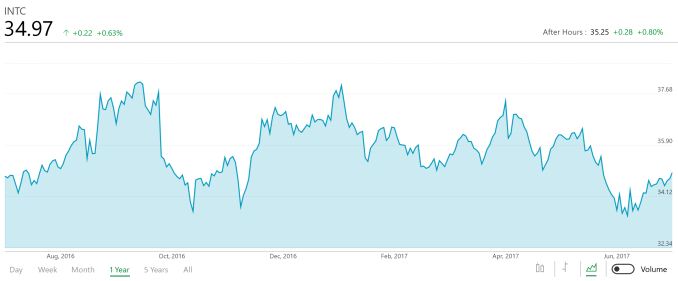
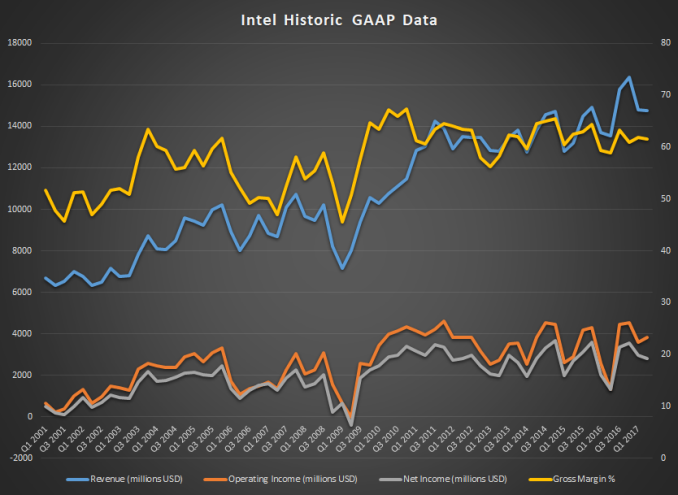
This afternoon, Intel announced their second quarter results for fiscal year 2017, and continuing a trend, they have once again set a record for the current quarter. Intel recorded $14.8 billion in revenue this quarter, up 9% from a year ago. Operating income, which was down dramatically a year ago due to restructuring charges, has rebounded to $3.8 billion for the quarter, up 190% when compared to a year ago when they took the restructuring hit. Gross margin came in at 61.6%. Net income was up 111% to $2.8 billion, and earnings per share were up 115% to $0.58 per share.
Intel also released Non-GAAP results to account for the restructuring charges, and they give a better look at the underlying business without the wild swings taken into account when there is a large hit to the bottom line. On a Non-GAAP basis, revenue was the same, at $14.8 billion, up 9%, and gross margins were 63%. Not factoring in certain charges such as acquisition costs and restructuring, operating income came in at $4.2 billion, up 30% from a year ago. Net income was up 23% to $3.5 billion, and earnings per share were up 22% to $0.72 per share.
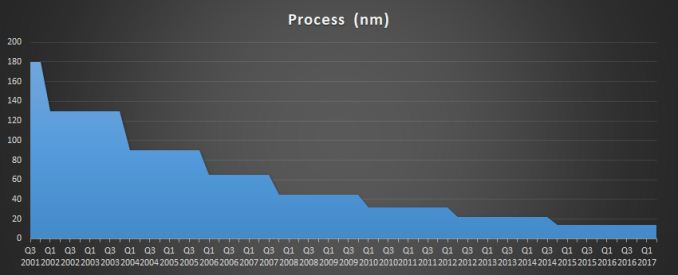
Intel’s Client Computing Group, which includes platforms for notebooks, 2-in-1 systems, desktops, tablets, phones, wireless, and mobile communications, had a very strong quarter, with revenue up 12% from a year ago to $8.2 billion. Notebook revenue was up 20% from a year ago, while desktop processor revenue slid 3%. Overall, Intel sold 3% more units in Q2 2017 compared to Q2 2016, and average selling prices increased 8%. We’ve not seen anything yet post 14nm, but Kaby Lake’s improved 14nm process is still very competitive, and was able to boost overall performance without any changes in IPC by allowing higher frequencies in the same thermal design. AMD’s new Ryzen platform doesn’t yet compete with Intel in the notebook space, so this will be interesting to watch, since AMD really has no competition to Core based SoCs at this time. Intel announced on their earnings call that they expect to begin shipping 10nm chips in low volume by the end of 2017, with a ramp up to higher volumes in 2018, so 14nm is still going to be the prevalent process for some time. It could easily be CES before we start to see shipping systems with 10nm, although Intel is currently sampling customers with engineering samples right now.
The Data Center Group continues to perform very well, and Intel sees this business having a lot of growth in the future. Revenue for this group was up 9% year-over-year to $4.4 billion. Operating income was $1.66 billion for this group, down 6% from a year ago. The lower margin was attributed to the move to 14nm, which has higher startup costs, and development costs, along with investments in AI. Intel shipped 7% more units, and average selling price was up 1%. We’ve just seen Intel announce the Xeon Scalable Processor Family, and they have had a pretty impressive response to this new branding. Intel shipped over 500,000 units to over 30 customers, which makes it the largest early ship program they’ve ever had. Intel faces strong competition here from AMD though, so we’ll see how the reshuffle their product stack over the next while. Intel’s Internet of Things revenue was up 26% year-over-year to $720 million in revenue. This segment has had some product changes over the last quarter, with Intel discontinuing their Galileo, Joule, and Edison lines, but Intel is still moving forward in this space with other products for industrial, video, and automotive. Despite the shakeup, this group increased its operating income 56% to $139 million. The Non-Volatile Memory Solutions Group had strong revenue growth as well, jumping 57.8% from a year ago to $874 million. Intel is now shipping 64-layer 3D NAND solutions, and they feel they have a competitive advantage there with density. Operating income for this group was still a loss of $110 million, compared to a $224 million loss a year ago, but Intel says that the core NAND business was profitable this quarter, and they expect it to be profitable the rest of the year. Intel Optane has shipped over 200l,000 units so far, and the profitability includes the ramp up of more 3D XPoint memory. Programable Solutions Group, which includes Intel’s Altera FPGA business, had a drop in revenue from $465 million a year ago to $440 million this year. Operating income was almost flat at $97 million. They had growth in industrial, military, and embedded FPGAs, but that growth was more than offset by lower data center revenue for this quarter. Intel is forecasting revenue of $15.7 billion, plus or minus $500 million for Q3, with gross margins around 61%. Intel is on track to deliver yet another record year, with the first two quarters both setting new records for revenue, on the heels of their record setting 2016 fiscal year. They’ve got some strong competition though to compete against, and it should be fascinating to see how the next couple of quarters play out. Source: Intel Investor Relations | |||||||||||||||||||||||||||||||||||||||||||||||||||||||||||||||||||||||||||||||||||||||||||||||||||||||||||||||||||||||||||||||||||||||||||||||||||||||||||||||||||||||||||||||||||||||||||||||||||||||||||||||||||||||||||||||||||||||||||||||||||||||||||||||||||||||||||||||||||||||||||||||||||||||||||||||||||||||||||||||||||||||||||||||||||||||||||||



| << Previous Day |
2017/07/27 [Calendar] |
Next Day >> |