[Most Recent Entries] [Calendar View]
Thursday, August 3rd, 2017
- The AMD Zen and Ryzen 7 Review: A Deep Dive on 1800X, 1700X and 1700
- The AMD Ryzen 5 1600X vs Core i5 Review: Twelve Threads vs Four at $250
- The AMD Ryzen 3 1300X and Ryzen 3 1200 CPU Review: Zen on a Budget
- AMD Launches Ryzen PRO CPUs: Enhanced Security, Longer Warranty
- How To Get Ryzen Working on Windows 7 x64
- AMD Launches Ryzen: 52% More IPC, Eight Cores for Under $330
| Time | Event | ||||||||||||||||||||||||||||||||||||||||||||||||||||||||||||||||||||||||||||||||||||||||||||||||||||||||||||||||||||||||||||||||||||||||||||
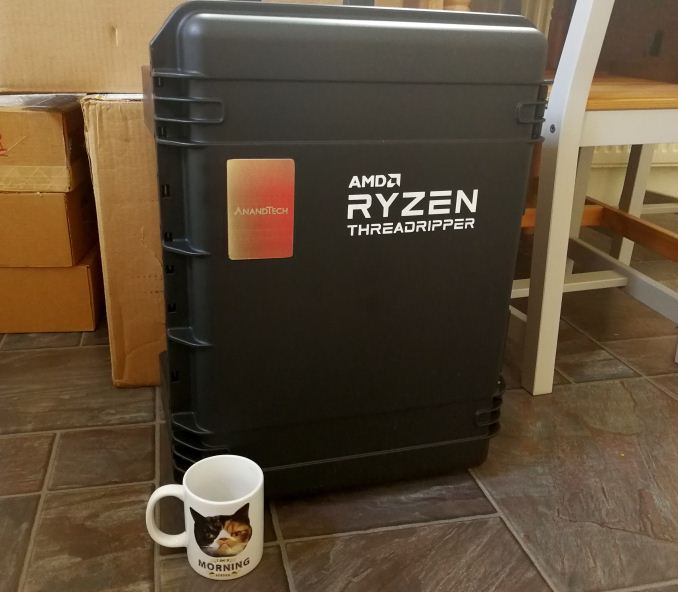
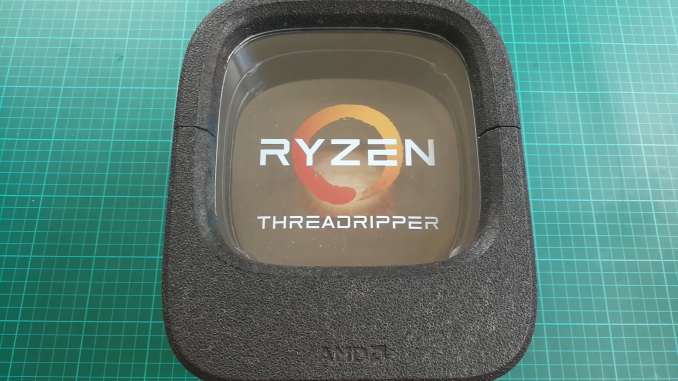
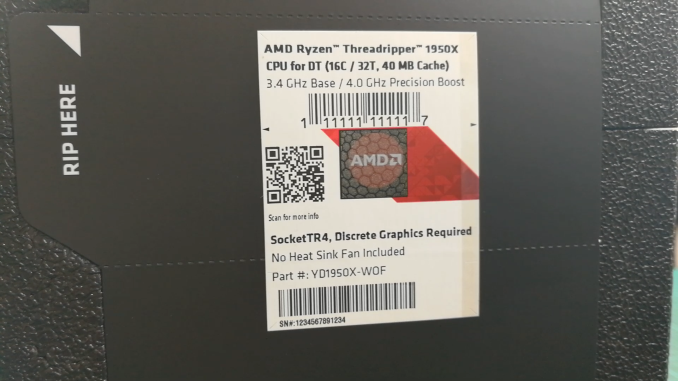
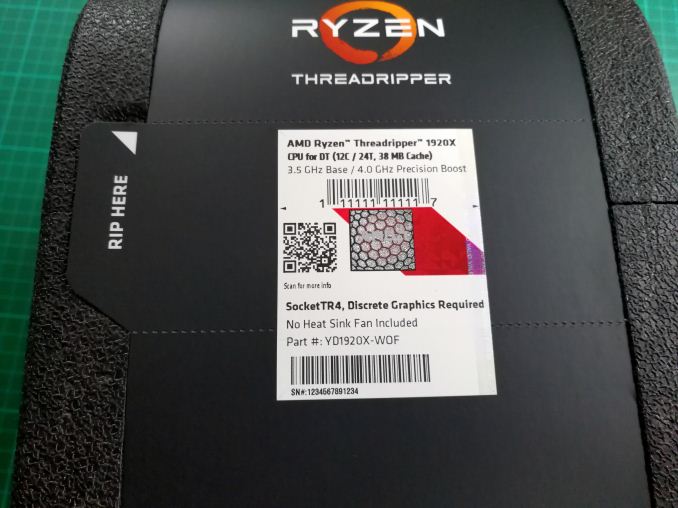
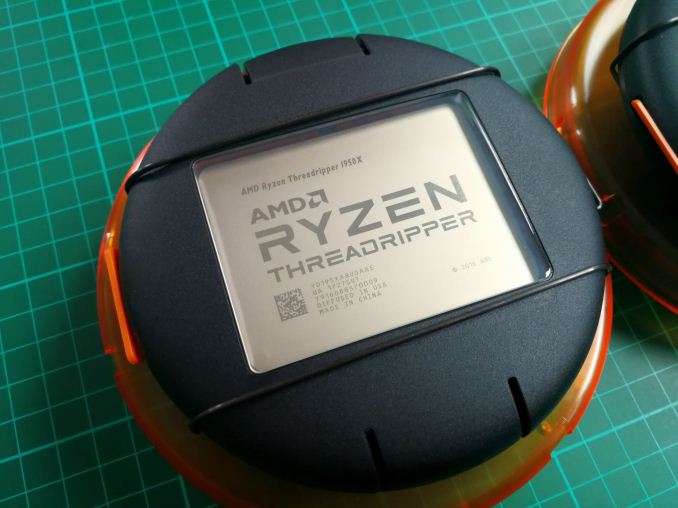
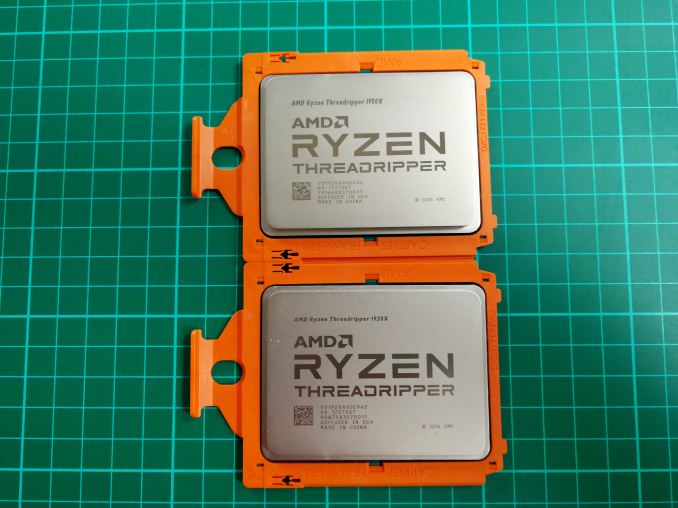
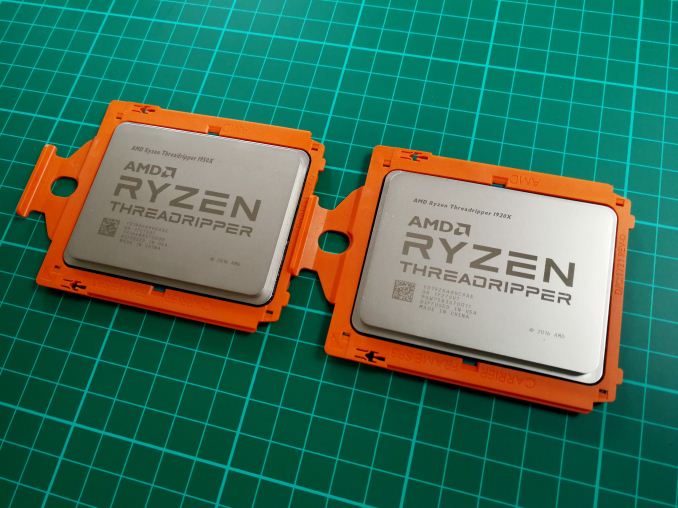
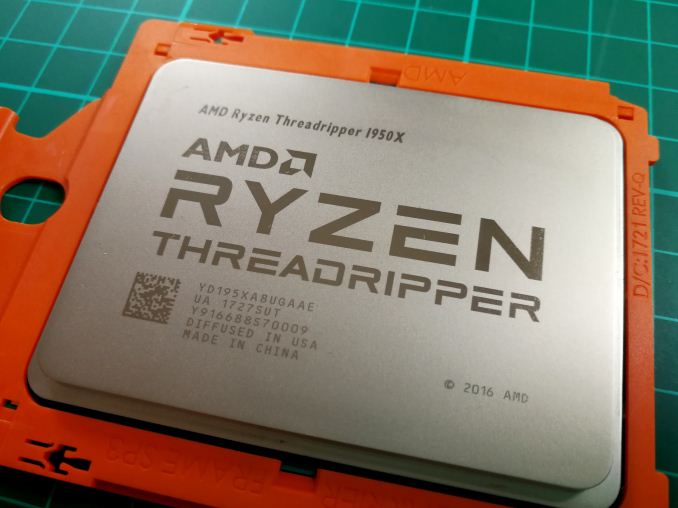
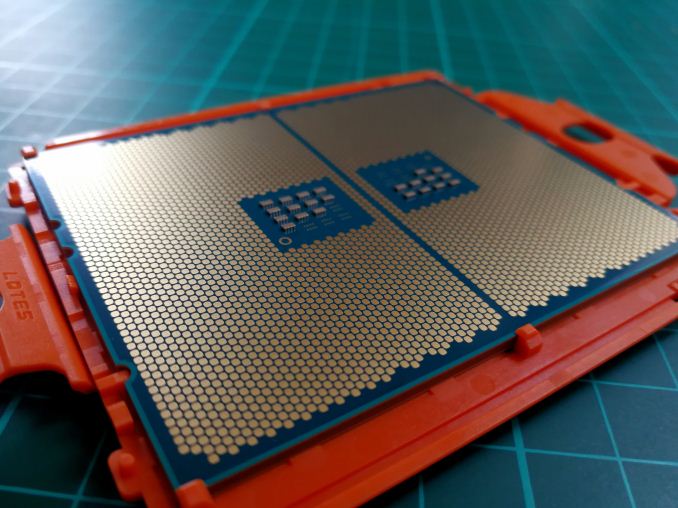
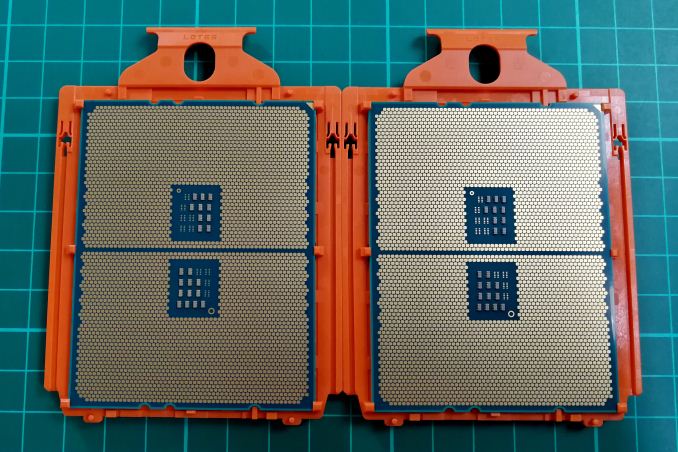
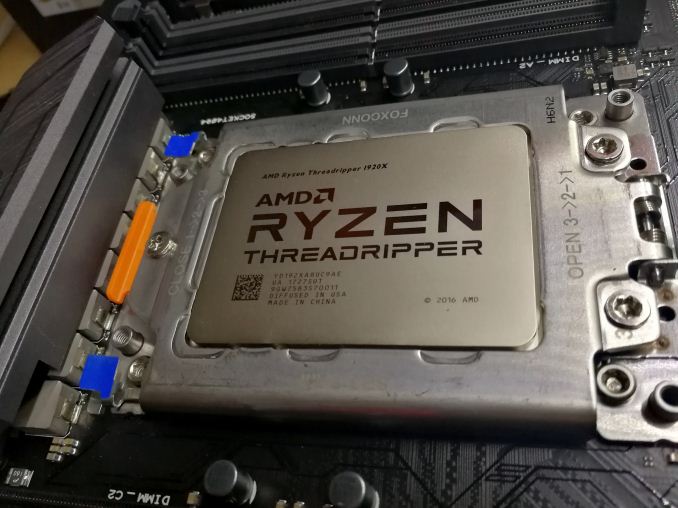
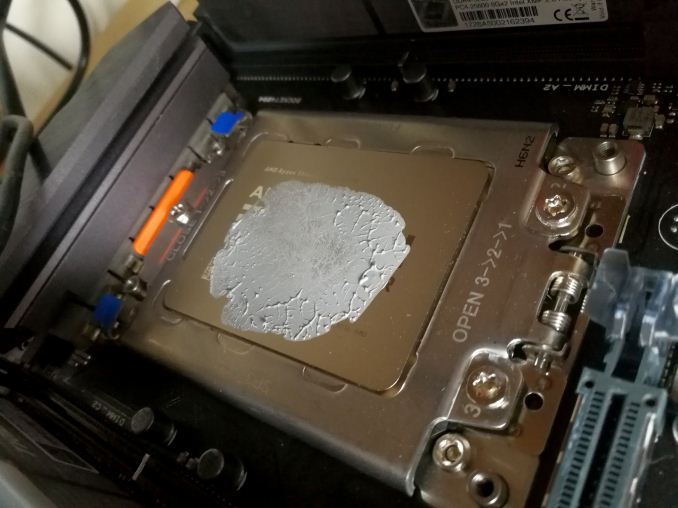
| 9:00a | AMD Ryzen Threadripper 1950X and 1920X: We’re Allowed To Show Pictures Now One of the interesting things to come out of this Threadripper launch is the stack of embargos. Last week AMD revealed the launch date and pricing, which will incidentally also be the date for our review of both chips. AMD also inserted a small embargo in the middle for today, allowing media outlets to do unboxings. We’re Allowed To Show Pictures NowRather than discuss each element of what AMD shipped the ~250 reviewers who have review kits, this article is going to be mainly a picture story with annotations. Starting with a pelican case that AMD shipped the CPUs in.
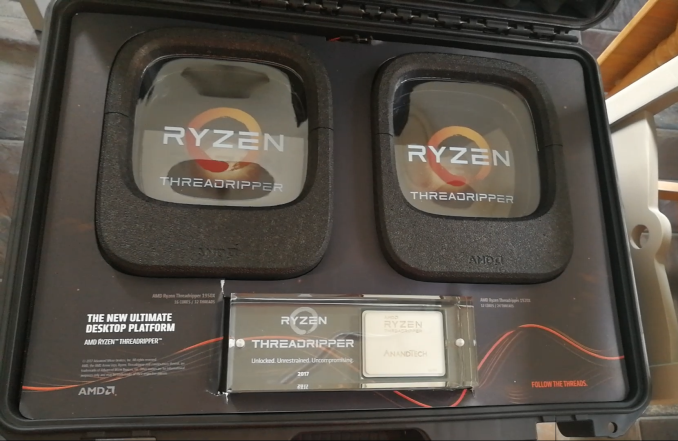
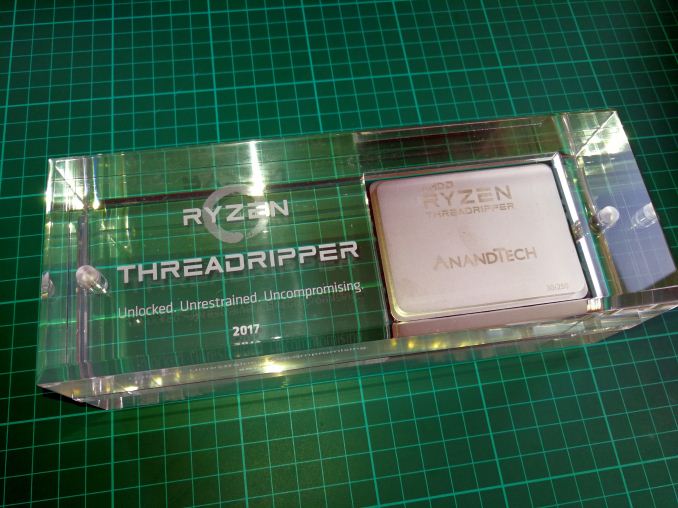
Inside the massive padded box were two CPUs in special cases, along with a paperweight.
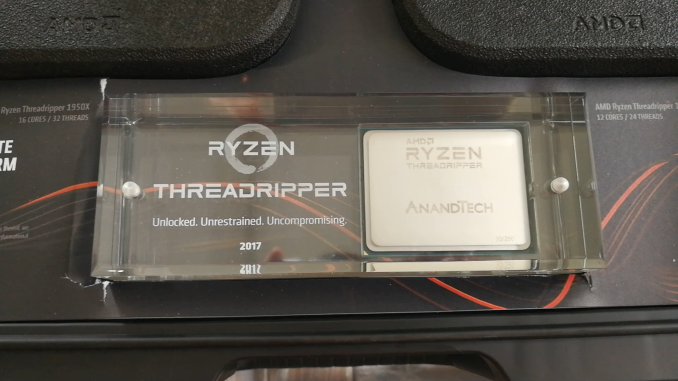
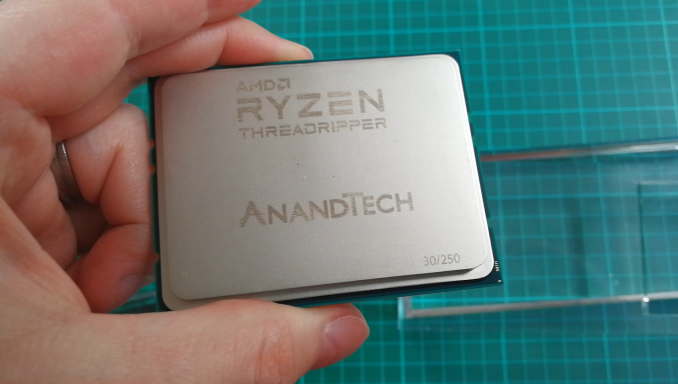
Yes, that’s an actual CPU in the paperweight, printed with AnandTech’s logo. We got CPU 30 out of 250.
Who has #1 ?
Each of the CPUs was in this overly padded secondary box.
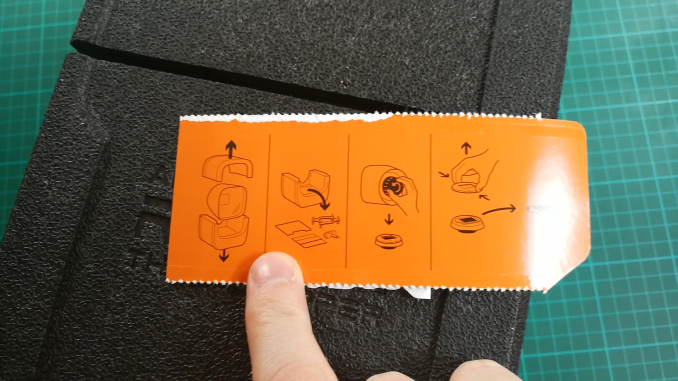
The instructions were far from clear. I tried to record this on video. Some swearing was involved – you definitely need two hands for this.
The CPU is housed in its own secondary support system. Twist, unlock, pull, grip, fail, try again, use force, swear, then eventually get the latch off.
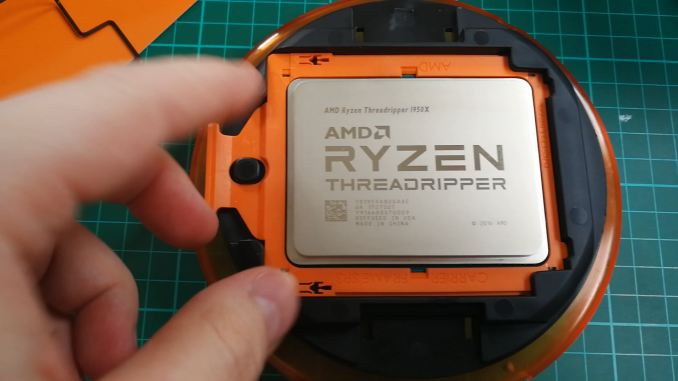
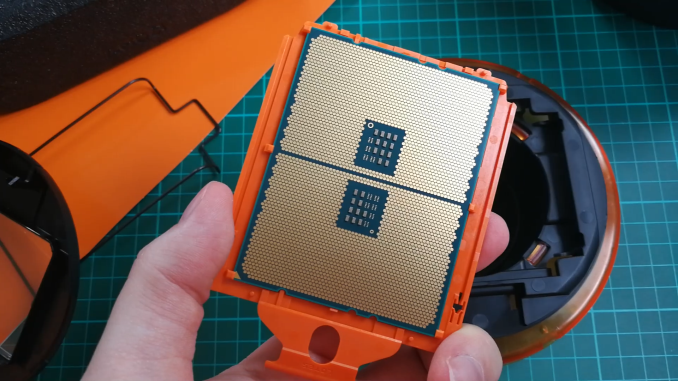
The CPU comes in this orange holder. The orange holder goes into the motherboard as well, so there’s no need to take the CPU out.
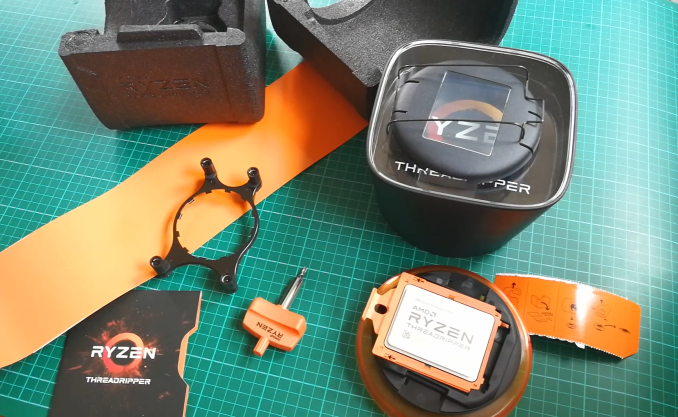
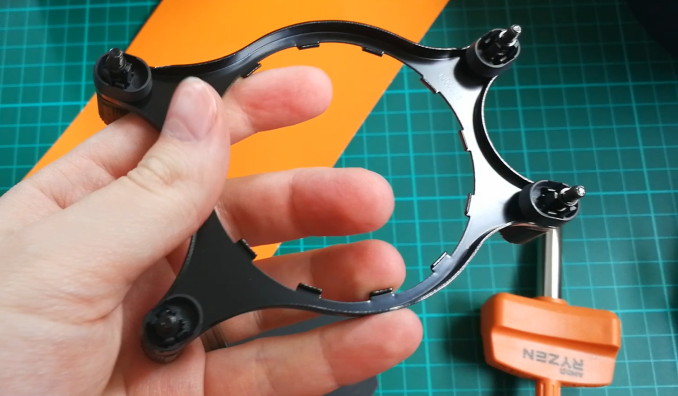
The box also contains a bracket for Asetek liquid coolers to fit, and a Torx Screwdriver. There are some stickers as well.
Putting it in the socket is fairly easy – three Torx screws and the mechanism pops open. Slide into the tray, close the screws. I had more issues with the CPU cooler mechanism than the CPU tray.
This last picture shows how thermal paste spreads across the CPU after a couple of days of testing with a tight liquid cooler. We can’t say much about temperatures at this point because of the embargo.
Paperweight. No idea if the CPU inside actually works. Gallery: AMD Ryzen Threadripper Unboxing
      Along with the CPUs, AMD supplied almost everything needed for the system: an ASUS X399 Zenith Extreme motherboard, 32GB of G.Skill Trident RGB DDR4-3200 C14 memory, a 512GB Samsung 960 Pro M.2 drive, a Thermaltake Toughpower Grand 1200W, and a Thermaltake Floe Riing 360 Premium liquid cooler (a 3x120 side radiator). The only thing missing was a Vega GPU (ed: you don't get everything). What Does This MeanI’ve never had a review sample come with quite so much kit in such extravagant packaging. Back with Ryzen they supplied a hardwood box with all the kit, and this one goes another stage up. AMD knows they can cause a stir on the social channels by being big and bright rather than staying understated, and to a certain extent, it works (as long as the company can afford it). It’s a corner of the product release cycle that AMD has honed in on, or one that its competitors have missed, although it is hard to gauge the return on investment and requires a marketing head to approve it nonetheless.
What now? Time to get back to testing. Review next week. The Change in NDA Philosophy: A Personal CommentaryThis new ‘unboxing’ sort of embargo has been borne from a rapid change in how media approaches launches and NDAs. In the past, from 2014 and before, when there was a product NDA in place it was expected that no media would even acknowledge that they had the product, let alone disclose the date of launch. In the advent of a more social media focused – and younger – technology press, skirting those NDA lines with product images has now become almost a standard: if you have the product, flaunt it, and generate hype for the review/video. Even when there is an NDA in place specifically barring certain types of content, such as unboxings, it seems that posting screenshots or gifs of the upcoming unboxing content being edited before the NDA is becoming the norm. The reasoning stems from the fact that NDAs typically restrict product reviews and only mention performance and data analysis to be revealed at a certain date, and the argument is that the NDAs often say nothing about showcasing the product before the launch (or even if the NDA is itself under NDA). Depending on the company, this has had a mixed response: typically an incumbent market leader will come down hard if NDA rules are pushed, although PR teams and underdogs like to push the hype train as many times around the track as possible if the product is good. AnandTech in this respect is fairly old-school: we’d rather spend more time testing the product to give more data for our analysis and reviews, making sure our readers have the sufficient knowledge at hand to invest in a product. Unboxings on AT are few and far between because there usually isn’t that much to show for our typical user base that know technology – it only really makes sense to us when something is unusual (like Threadripper), or to show to new users that may become enthusiasts. Ultimately, it’s that latter group that has spurned the tech media to invest in social media for this sort of content, especially around high-performance components or hardware where it actually makes sense, like monitors. Unboxing products like a CPU would usually take several seconds: CPU, manual, cooler, sticker, done. Related Reading | ||||||||||||||||||||||||||||||||||||||||||||||||||||||||||||||||||||||||||||||||||||||||||||||||||||||||||||||||||||||||||||||||||||||||||||
| 9:01a | Toshiba Announces BG3 Low-Power NVMe SSD With BiCS3 3D NAND
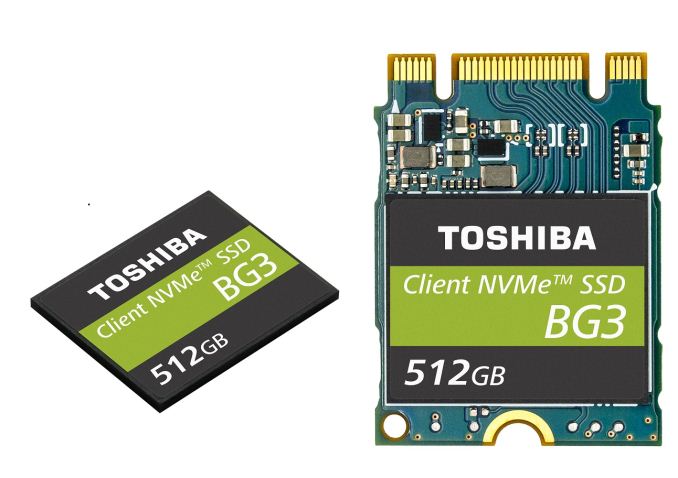
Toshiba's transition to their 64-layer 3D NAND flash memory continues predictably with today's launch of their third-generation BGA SSD, the BG3 series. First unveiled in 2015, Toshiba's family of BGA SSDs serves as their entry-level client OEM NVMe offering, with a focus on low power use and compact packaging rather than high performance. A year ago, Toshiba's BG series became their first client SSD to adopt their 3D NAND and it was one of only a handful of products to use their 48-layer BiCS2 3D NAND. This year, Toshiba finally has 3D NAND suitable for widespread adoption in their 64-layer BiCS3 3D NAND. The BG3 is their third SSD announced with the new 3D NAND, after the XG5 mainstream NVMe SSD for the OEM market and the TR200 retail SATA SSD. So far, all of Toshiba's 64-layer 3D NAND SSDs are using the 3-bit-per-cell TLC variant. Aside from the update to the new generation of 3D NAND, little has changed with the BG series over the previous generation. The BG3 still uses the standard M.2 16x20mm BGA package with a PCIe 3 x2 link. As with the last generation, the BG3 is a DRAM-less SSD that supports the NVMe 1.2 Host Memory Buffer feature to mitigate the performance impact of not including DRAM on the SSD itself. The BG3 uses only about 38MB of the host system's RAM to cache mapping information about which logical block addresses are stored in which flash memory pages. That 38MB cache is sufficient to provide a substantial performance boost for workloads with a working set in the 2GB to 16GB range, with Toshiba citing improvements of 80% to 150% for random accesses at high queue depths. The BG3 will be available in the same three capacities from 128GB to 512GB, but the packaging has been slimmed slightly: the smaller two models are now 1.3mm thick instead of 1.4mm, and the 512GB model is now 1.5mm instead of 1.65mm. The BG3 will also be available mounted on a removable single-sided M.2 2230 card. The BG3 is rated for up to 1520 MB/s for sequential reads and 840MB/s for sequential writes, with a maximum power draw of 3.2W and a typical active power of 2.7W. As with all of their OEM SSDs, Toshiba is not disclosing exact pricing, but they say it is comparable to SATA drives. The BG3 is currently sampling to OEMs and will be on display at Flash Memory Summit next week. Toshiba plans to continue transitioning to 64-layer 3D NAND in every segment of the SSD market. The OEM counterpart to the TR200 SATA SSD will be the Toshiba SG6, which will complete their client OEM lineup. We expect retail NVMe products to be announced later this year. | ||||||||||||||||||||||||||||||||||||||||||||||||||||||||||||||||||||||||||||||||||||||||||||||||||||||||||||||||||||||||||||||||||||||||||||
| 9:01a | The Toshiba XG5 (1TB) SSD Review The Toshiba XG5 is their first SSD to ship with 64-layer 3D NAND and is their first mainstream SSD to use 3D NAND. The XG5 is a NVMe SSD with TLC NAND intended for OEMs. It aims to provide a balance of high performance, low power, and affordability. As our first hands-on testing of Toshiba's 3D NAND, the XG5 previews the advancements 3D NAND will be bringing to Toshiba's entire SSD lineup and SSDs from many other brands. | ||||||||||||||||||||||||||||||||||||||||||||||||||||||||||||||||||||||||||||||||||||||||||||||||||||||||||||||||||||||||||||||||||||||||||||
| << Previous Day |
2017/08/03 [Calendar] |
Next Day >> |