[Most Recent Entries] [Calendar View]
Thursday, September 7th, 2017
- Qualcomm Announces Mesh Networking Wi-Fi Router Reference Design with IoT Functionality
- Netgear Launches Nighthawk X4S AC3200 DOCSIS 3.1 Cable Modem Router
- Amped Wireless Launches AC2200 HELIOS Family with Qualcomm's Tri-Radio 802.11ac Solution
- Netgear Launches 802.11ad-Enabled Nighthawk X10 (R9000) Wi-Fi Router
- Belkin WeMo and Ubiquiti mFi Home Automation Platforms Review
- Securifi's Almond+ 802.11ac Touchscreen Wi-Fi Router Integrates ZigBee and Z-Wave
- Belkin WeMo and Ubiquiti mFi Home Automation Platforms Review
- Philips Hue: Automated Home Lighting Gets Colorful
- Home Automation and the 'Internet of Things'
| Time | Event | ||||||||||||||||||||||||||||||||||||||||||||||||||||||||||||||||||
| 9:00a | The HP S700 And S700 Pro SSD Review HP is not a well-known name in the retail SSD market, but as a major PC OEM it's not too surprising to see them producing their own SSD models based on third-party controller solutions. The HP S700 and S700 Pro SSDs use Micron 3D TLC NAND and Silicon Motion controllers, but have undergone tuning and significant QA from HP in an effort to give them an edge over earlier drives from other vendors that are using the same basic formula. | ||||||||||||||||||||||||||||||||||||||||||||||||||||||||||||||||||
| 10:00a | NVIDIA Ships First Volta-based DGX Systems
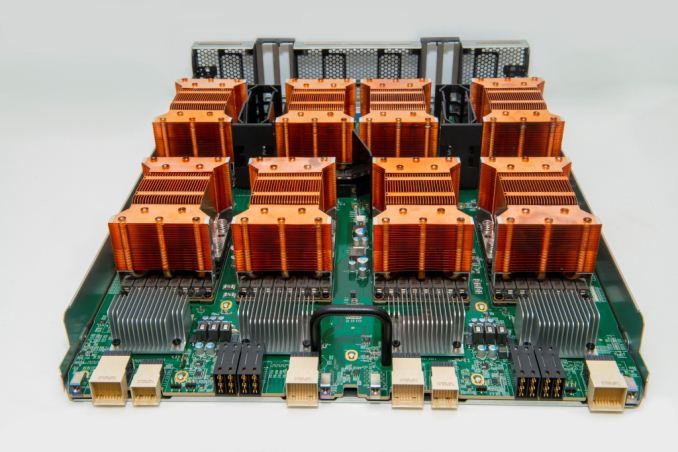
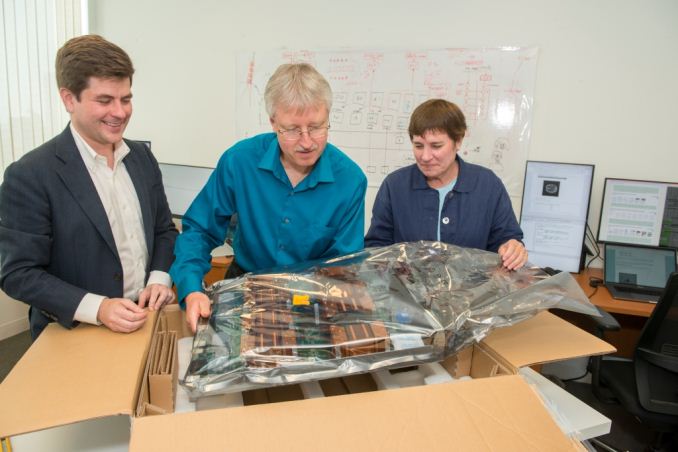
This Wednesday, NVIDIA has announced that they have shipped their first commercial Volta-based DGX-1 system to the MGH & BWH Center for Clinical Data Science (CCDS), a Massachusetts-based research group focusing on AI and machine learning applications in healthcare. In a sense, this serves as a generational upgrade as CCDS was one of the first research institutions to receive a Pascal-based first generation DGX-1 last December. In addition, NVIDIA is shipping a DGX Station to CCDS later this month. At CCDS, these AI supercomputers will continue to be used in training deep neural networks for the purpose of evaluating medical images and scans, using Massachusetts General Hospital’s collection of phenotypic, genetics, and imaging data. In turn, this can assist doctors and medical practitioners in making faster and more accurate diagnoses and treatment plans.
First announced at GTC 2017, the DGX-1V server is powered by 8 Tesla V100s and priced at $149,000. The original iteration of the DGX-1 was priced at $129,000 with a 2P 16-core Haswell-EP configuration, but has since been updated to the same 20-core Broadwell-EP CPUs found in the DGX-1V, allowing for easy P100 to V100 drop-in upgrades. As for the DGX Station, this was also unveiled at GTC 2017, and is essentially a full tower workstation 1P version of the DGX-1 with 4 Tesla V100s. This water cooled DGX Station is priced at $69,000.
Taking a step back, this is a continuation of NVIDIA’s rollout of Volta-based professional/server products, with DGX Volta meeting its Q3 launch date, and OEM Volta targeted at Q4. In the past months, the first Tesla V100 GPU accelerators were given out to researchers at the 2017 Conference on Computer Vision and Pattern Recognition (CVPR) in July, while a PCIe version of the Tesla V100 was formally announced during ISC 2017 in June. | ||||||||||||||||||||||||||||||||||||||||||||||||||||||||||||||||||
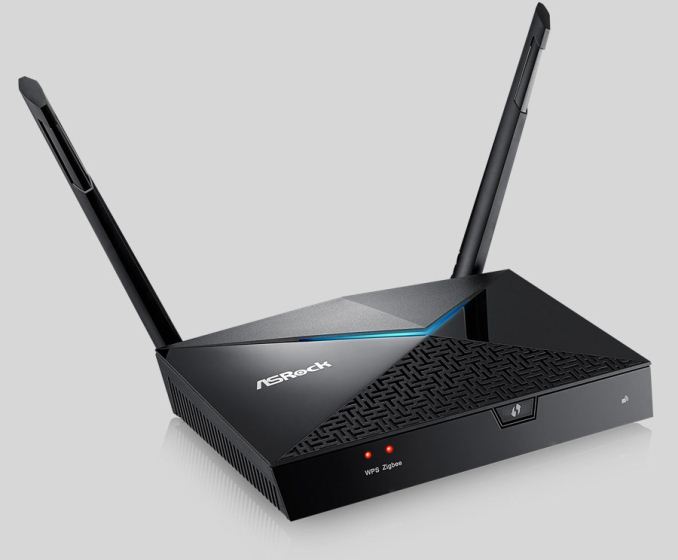
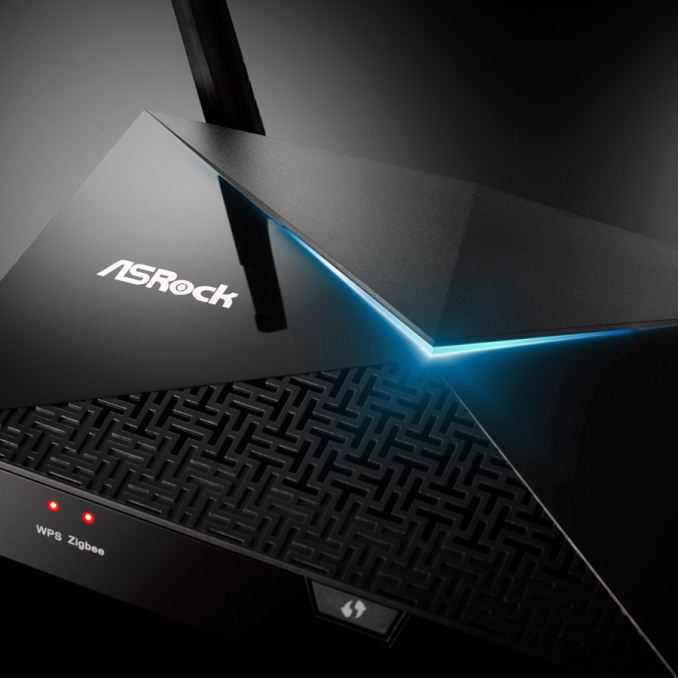
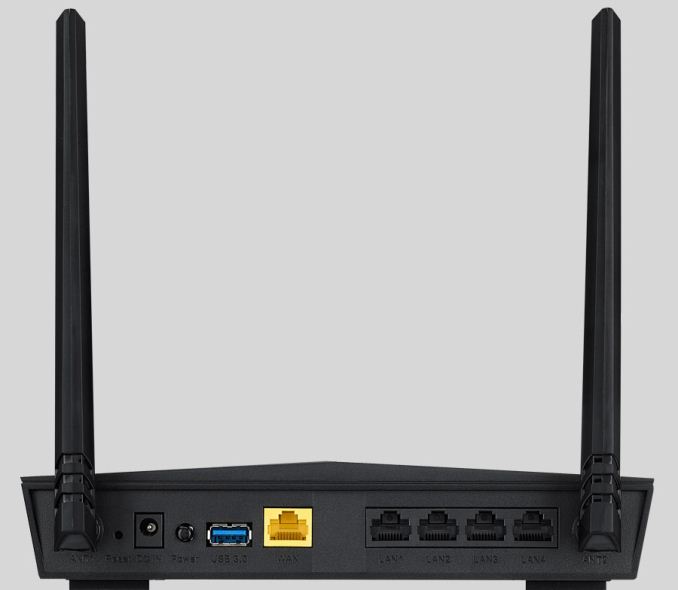
| 1:00p | ASRock's X10 IoT Router Now Available: 802.11ac, GbE, ZigBee, and IR ASRock has started sales of their new smart connected home router, the X10. The new device supports not only 802.11ac Wi-Fi and Gigabit Ethernet like any modern networking router, but also supports ZigBee and IR to control various smart and home electronics as a connected home central hub. The X10 and devices like it comes at an interesting inflection point for the consumer networking gear industry; nowadays, Wi-Fi is ubiquitous and basic routers are cheap, if not outright free from an ISP, pushing the overall market towards being highly commoditized. However farther at the edge of the market and consumer adoption, there are new technologies knocking the door, such as ZigBee and Z-Wave for smart home appliances as well as 802.11ad for wireless docking of laptops. While hubs for these devices can already be purchased seperately, standalone ZigBee and Z-Wave hubs/dongles cost about $100, slightly lowering attractiveness of home automation in general. As a result, demand for routers with ZigBee and Z-Wave is growing as a means of centralizing all of these network-related functions, and ASRock wants to capitalize on this with its new X10 product that supports ZigBee in addition to 802.11ac MU-MIMO.
The ASRock X10 AC1300 IoT router is based on an unnamed SoC from Qualcomm featuring four ARM Cortex-A7 general-purpose cores. When it comes to wireless capabilities of the device, it works over 2.4 GHz (400 Mbps) as well as 5 GHz (867 Mbps) bands using two 5 dBi high gain antennas to connect different devices simultaneously. As for hardware connectors, the X10 router has one 1 GbE WAN port, four GbE LAN ports, one USB 2.0 port for storage devices and one USB 3.0 port (for add-on). As mentioned above, the ASRock X10 has integrated ZigBee radio that can connect to compatible smart home appliances (sensors, lighting, heaters, security systems, etc.) using a 250 Kbit/s channel and enable users to read/control those using special apps for Apple iOS and Google Android. Since there is a fleet of consumer electronics devices that use IR for controls, the developers of the X10 also equipped it with IR blasters as well. Obviously, in order to control things like TVs or conditioners using IR, the router has to be placed in direct line of sight with them, which may not always be optimal for various reasons, but that’s the price of added comfort.
Hardware capabilities of the ASRock X10 are not its only advantages since the company invested a lot in its software in a bid to make it a hub for a smart home. For example, X10-compatible apps controlling alarms of certain devices can send commands to the router based on geolocation of the owner. In addition, the owner can control the X10 and all of their smart and CE devices remotely. ASRock’s X10 IoT router is available for pre-order from Amazon in the U.S. at $149.99, or can be bought from Newegg for $139.99. The ASRock X10 is not the only ZigBee-, IR- and remote management-supporting router on the market. An important thing about the X10 is that it comes from a mass-market manufacturer, which means that demand for routers with IoT features is growing rapidly.
Gallery: ASRock X10 Router
      Related Reading: | ||||||||||||||||||||||||||||||||||||||||||||||||||||||||||||||||||
| 7:30p | AMD Releases Radeon Software Crimson ReLive Edition 17.9.1
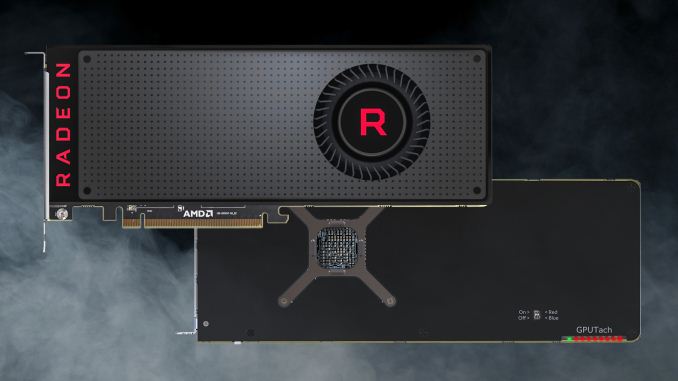
This afternoon AMD has released their latest Radeon driver update, Radeon Software Crimson ReLive Edition 17.9.1, which is largely focused on bug fixes. This update continues RTG’s rapid cadence of RX Vega post-launch support, marking the 3rd driver release since the launch of Radeon RX Vega64 less than a month ago. This is also the first driver to be released since last Monday’s launch of RX Vega56. Featuring Driver Version 17.30.1081 (Windows Driver Store Version 22.19.676.0), Radeon Software 17.9.1 addresses two bugs first noted in 17.8.1: RX Vega system hangs when resuming from sleep and attempting to play back video content, and mouse stuttering on certain Radeon RX series products when WattMan or third party GPU information polling programs are running in the background. 17.9.1 also brings further fixes for random corruption in Microsoft productivity applications, which was first addressed for RX Vega cards in 17.8.2.
In addition, AMD has corrected issues where the Radeon Software installer would shrink when installing on certain 4K HDTVs, as well as Radeon Settings hangs or crashes when viewing the Display tab. In terms of games, AMD has resolved bugs with Moonlight Blade failing to launch on some Radeon GCN series products, as well as Titanfall 2 crashes or hangs on some Radeon GCN1 series products. Lastly, issues with ReLive Toolbar and Instant Replay in Guild Wars 2 were also fixed. The updated drivers for AMD’s desktop, mobile, and integrated GPUs are available through the Radeon Settings tab or online at the AMD driver download page. More information on this update and further issues can be found in the Radeon Software Crimson ReLive Edition 17.9.1 release notes. | ||||||||||||||||||||||||||||||||||||||||||||||||||||||||||||||||||

| << Previous Day |
2017/09/07 [Calendar] |
Next Day >> |