[Most Recent Entries] [Calendar View]
Friday, August 10th, 2018
- ASUS Adds Support for 9th Gen Core CPUs to Their Intel 300-Series Motherboards
- GIGABYTE Adds Support for Intel’s 9th Gen Core Processors to Existing Motherboards
- MSI Z370 Motherboards Now Support Intel’s 9th Gen Core CPUs
- Analyzing Z370 for Intel's 8th Generation Coffee Lake: A Quick Look at 50+ Motherboards
- Intel 8th Generation and 9th Generation Processor Lists Leaked: Coffee Lake Refresh?
- Intel Outs Z390 & X399 PCHs for Cannon Lake & Coffee Lake CPUs
- Intel Documents Point to AVX-512 Support for Cannon Lake Consumer CPUs
- Intel Officially Reveals Post-8th Generation Core Architecture Code Name: Ice Lake, Built on 10nm+
- ASUS Publishes List of Upcoming Intel Z390-Based Motherboards
- ASUS Ships ROG Strix XG258Q ‘eSports’ LCD: 1080p 240 Hz Display w/FreeSync
- ASUS Announces ROG Strix XG32VQ and ROG Strix XG35VQ: Large, Curved, & Fast
- ASUS Launches ROG Swift PG27VQ: Curved 27-inch LCD with 165 Hz G-Sync & RGB Lighting
- ASUS ROG Strix XG27VQ Available: 27” Curved, FHD@144Hz & FreeSync w/ELMB
- AOC to Launch Curved QHD Displays with 0.5 ms Response Time in 2018
- Acer Announces Holo 360° Camera with Integrated 4G LTE
- Acer Predator Helios 300 SE: White and Gold Gaming Laptop
- Acer Unleashes Predator Helios 500 Gaming Notebook: Up to Core i9+, GTX 1070
- Acer’s Predator X27 G-Sync HDR Display Listed in the USA, to Ship on June 1
- Acer Announces Predator 8 Gaming Tablet With Intel Atom x7 And Android 5.1
- Cooler Master Unveils CK620: A Thin Wireless Mechanical Keyboard
- ROCCAT Unveils Vulcan Mechanical Keyboard: Titan Switch, AIMO Lighting
- Tesoro Returns with Low-Profile Switch Keyboards, Fresh Software
- The Xiaomi Mi MIX 2S Review: Fantastic Overall Value
- Xiaomi Launches Redmi Note 5 & Redmi Note 5 Pro with 18:9 5.99-Inch LCDs
- Xiaomi Announces Mi 6: 5.15-inch, Snapdragon 835 SoC, 6GB LPDDR4x
- Update: Xiaomi International VP Hugo Barra to Leave the Company, Join Facebook As VP of VR
| Time | Event | |||||||||||||||||||||||||||||||||||||||||||||||||||||||
| 9:00a | ASRock Confirms Eight-Core Coffee Lake CPUs, Adds Their Support to Intel 300-Series Boards
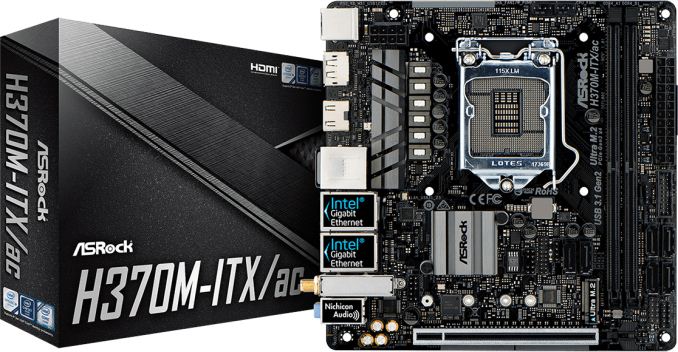
ASRock on Thursday became the fifth member to join the unofficial 9th Gen Core club, releasing BIOS updates to add support for Intel's unannounced CPUs. Like its fellow club members, ASRock's BIOS updates are for their motherboards based on Intel 300-series chipsets, and add support for Intel’s Core i3/i5/i7 9000-series processors. In addition, the company officially confirmed that the said CPUs will have up to eight cores. 28 motherboards from ASRock based on Intel’s Z370, H370, B360, and H310 chipsets now support Intel’s upcoming 9th Gen Core i3/i5/i7 processors with the latest BIOS versions. ASRock’s announcement rounds up the list of the largest makers of mainboards that have added support for Intel’s future CPUs to their Intel 300-series platforms. To date, ASUS, ASRock, GIGABYTE, and MSI have released appropriate BIOS versions for their existing products. In addition to launching new BIOSes, ASRock also said on Thursday that it would place “8 Core CPU Support” sticker to product boxes containing motherboards that can work with Intel’s upcoming LGA1151 v2 chips with eight cores. Therefore, ASRock confirmed that Intel’s future Intel’s Core i3/i5/i7 9000-series processors will feature up to eight cores. What is noteworthy is that the manufacturer warns that some of its entry-level motherboards may not be able to supply enough power for Intel's 9000-series processors under heavy loads, which may indicate that the forthcoming eight-series chips may consume more power than existing quad-core and six-core CPUs. It is generally expected that Intel’s 9th Gen Core i3/i5/i7 processors are based on the Kaby Lake/Coffee Lake microarchitecture and are made using a 14 nm process technology. Intel has not formally confirmed any of the specs of its upcoming CPUs, but it did say that it would refresh its desktop lineup of products later this year.
Related Reading: | |||||||||||||||||||||||||||||||||||||||||||||||||||||||
| 11:00a | ASUS Announces 27-Inch VP278QGL Entry-Level Gaming LCD: 1080p TN w/Freesync
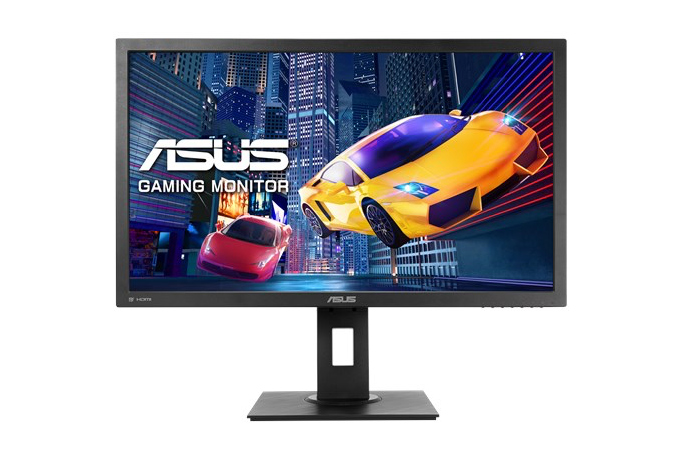
ASUS this week is taking the wraps off of a new entry-level gaming monitor that is aimed at satisfying hardcore gamers without breaking the bank. Dubbed the VP278QGL, the 27-inch 1080p monitor sports a TN panel with a 1 ms response time, and a maximum refresh rate of 75Hz. Doubling-down on its gaming focus, the monitor also supports AMD’s FreeSync dynamic refresh rate technology. Under the hood, the ASUS VP278QGL is based on a 27-inch 6-bit + FRC TN panel featuring a 1920×1080 resolution, a 300 nits brightness, a 1200:1 contrast ratio, 1 ms GtG response time, and 170°/160° horizontal/vertical viewing angles. Specifications of the VP278QGL look typical for contemporary entry-level monitors, but 1 ms response time and AMD’s FreeSync will naturally attract attention of FPS and RTS gamers on a budget to this display. To make the device even more appealing to the target audience, it also supports ASUS’ GamePlus technology features, such as displaying a crosshair, timer and FPS counter. The VP278QGL display is outfitted with 2W stereo speakers and uses a stand that can adjust height, tilt, swivel, and can rotate pivot clockwise as well as anticlockwise. As for inputs, the monitor has a DisplayPort, two HDMI inputs, and a D-Sub connector.
Details about the ASUS VP278QGL display have been added to the company’s website, but it is unclear when exactly the manufacturer plans to start sales of the product as well as its MSRP. Evidently, the VP278QGL does not belong to the ROG family and is an entry-level product, though precise pricing information isn't available at this time.
Related Reading: | |||||||||||||||||||||||||||||||||||||||||||||||||||||||
| 1:00p | Acer Spins-Off Gaming Peripherals & Smart Devices Into Premium Accesories Brand
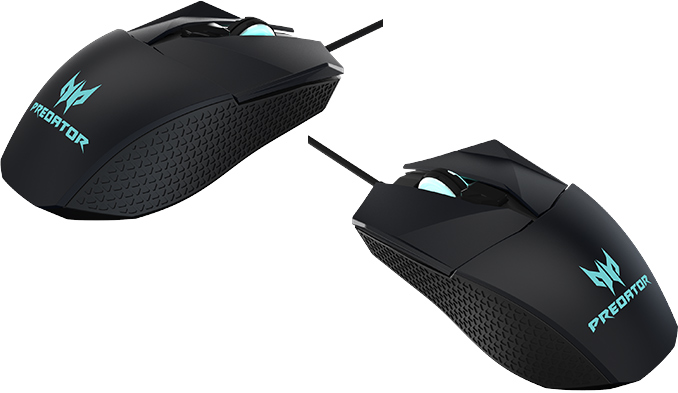
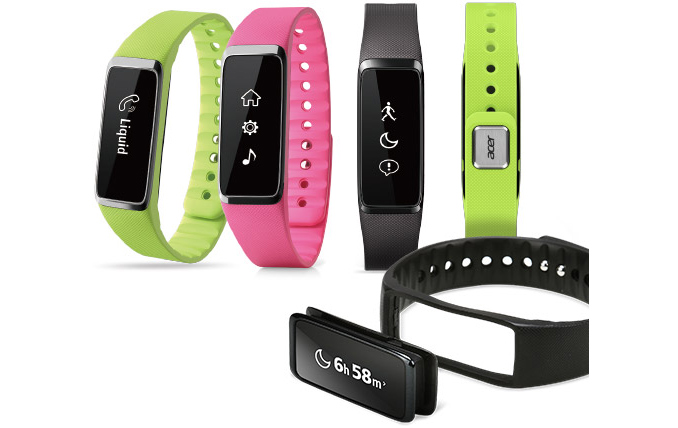
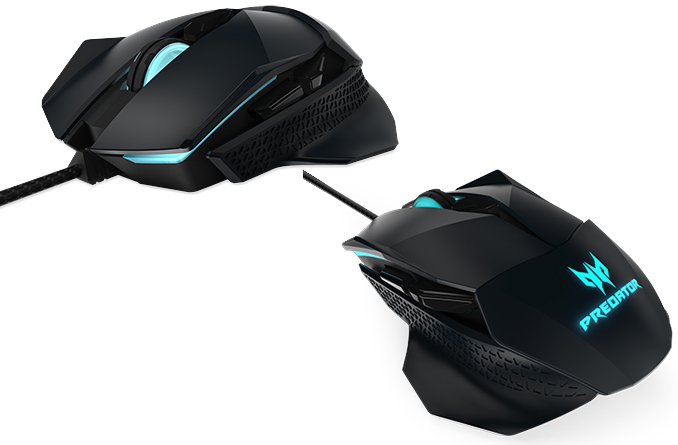
Acer this week announced plans to spin off its gaming accessories and smart devices businesses into a new subsidiary. The new entity, tentatively called Gadget Technology Inc, will focus on various premium gadgets, including those for gamers as well as for emerging segments of the market. The wholly owned subsidiary will formally start operations in mid-September. Acer’s Gadget Technology will focus on market segments with “higher profit margins," covering a wide bredth of products. Initially, Gadget Technology will have two lineups of products: the first one will include premium PC gaming mice, keyboards, headphones, chairs and cases. The second one will comprise of smart devices, including air quality monitors, according to a report from the Taipei Times that cites the company’s officials.
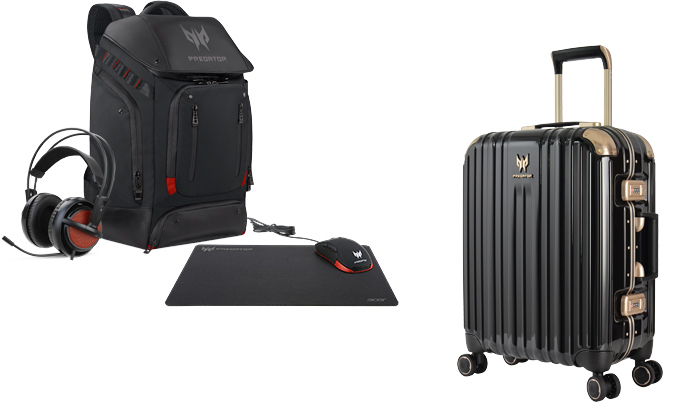
Acer has been producing Predator-branded gaming desktops, laptops, and displays for a number of years now. To make the PCs more appealing to gamers, the company bundled various peripherals with the products, such as premium mice that featured similar design elements as the rest of the Predator series. In addition, the company offers Predator-branded keyboards, mice, headsets, bags, and mousepads separately. Furthermore, Acer has a broad lineup of wearables, smart cameras, accessories, and a number of other emerging categories.
It is unclear whether Gadget Technology will simply absorb Predator-branded peripherals as well as existing smart devices from Acer, or will just inherit IP and development teams from the parent company. On a high level, gaming peripherals from Gadget Technology are supposed to compete against dedicated gaming brands and to do so successfully the new subsidiary will need to radically expand the number of offerings. The situations seems a bit different with the “smart devices” part of the business, but normally if you want to compete for, say, smart home, you need to offer more than one product.
Having two (and potentially more) very diverse lineups of products under one roof is a bit odd. The spin off decision enables Acer to focus on PCs, but Gadget Technology will have to balance its resources while developing products because it will barely have any synergy between different design teams. Acer’s Gadget Technology will start operations on September 14. The company will receive NT$75.66 million ($2.467 million) in assets and NT$30.66 million (~$1 million) in liabilities. Related Reading: Sources: Taipei Times, TSE MOPS | |||||||||||||||||||||||||||||||||||||||||||||||||||||||
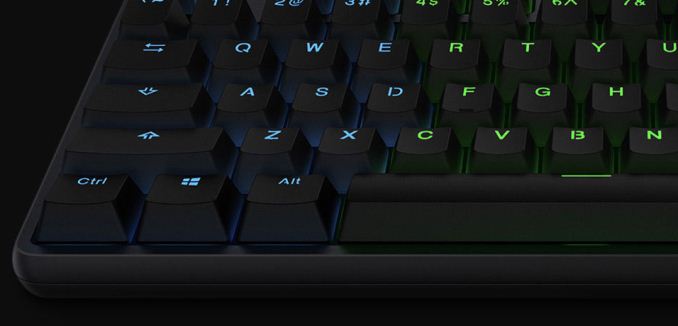
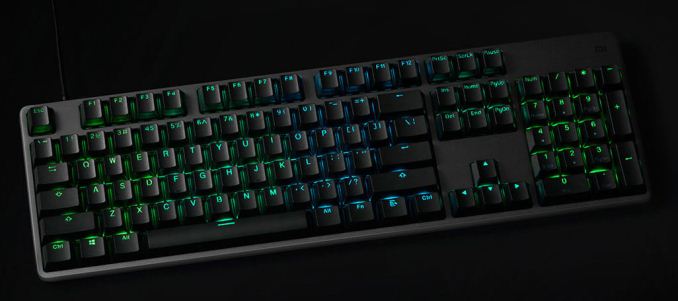
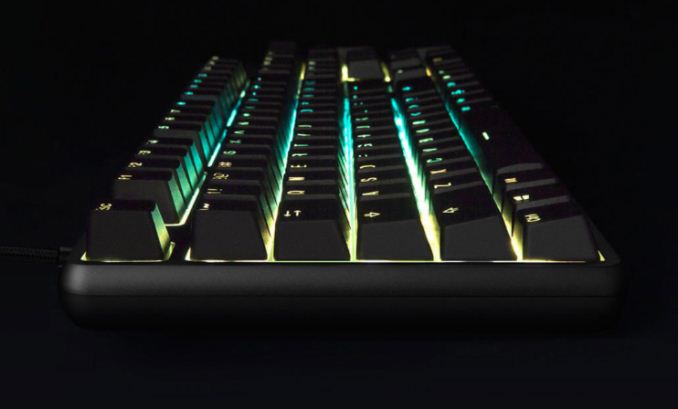
| 3:00p | Xiaomi Unveils Its First Mechanical Keyboard with Configurable RGB Backlighting
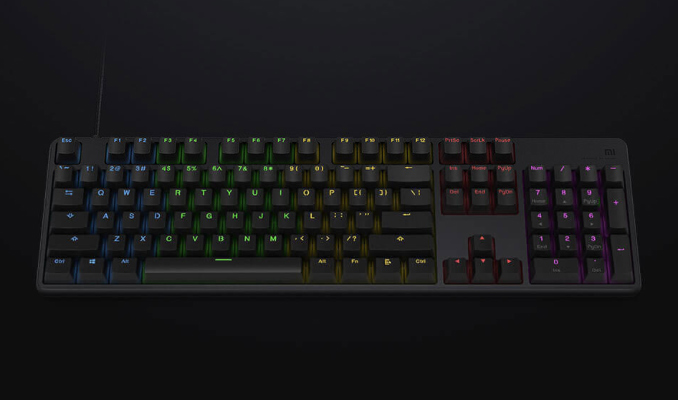
In the recent years Xiaomi has expanded its product way beyond smartphones, moving into a wide field of consumer electronics and doodads, covering items like air purifiers, electric toothbrushes, electric scooters, and many other products. Continuing this diversification, this week the company introduced its first mechanical keyboard aimed at gamers and featuring configurable RGB backlighting. The Xiaomi Gaming Keyboard features 104 keys backed by TTC Red switches (with a 3-mm travel distance). Under the hood, Xiaomi is using a Sonix microcontroller featuring a 32-bit Cortex-M0 core as well as a USB interface supporting a 1000 Hz polling rate. The keyboard supports 33-key rollover, which is important for FPS and RTS gamers that press multiple keys almost simultaneously. Meanwhile, it does not have programmable keys and does not support macros.
The Gaming Keyboard from Xiami comes in aluminum chassis to ensure its durability and give a premium feel. The key caps themselves are made of PBT (polybutylene terephthalate), which is more durably than traditional ABS plastic used for key caps. When it comes to ergonomics, the keyboard can regulate its angle using special rubber nobs, a rather conventional feature implemented using an unconventional method.
The keyboard’s RGB backlighting can be programmed manually using embedded software and the FN key. Therefore, it does not look like Xiami’s keyboard supports RGB controls using software from makers of motherboards, such as the ASUS Aura Sync.
Xiaomi has already begun to sell its Gaming Keyboard in China for ¥229 ($33.6). The keyboard is not the only product for gamers launched by Xiaomi recently. Earlier this summer the company introduced its Mi Gaming Mouse with a 7200 DPI sensor, RGB accents and additional buttons. Related Reading: | |||||||||||||||||||||||||||||||||||||||||||||||||||||||

| << Previous Day |
2018/08/10 [Calendar] |
Next Day >> |