[Most Recent Entries] [Calendar View]
Tuesday, August 28th, 2018
| Time | Event | ||||||||||||||||||||||||||||||||||||||||||||||||||||||||||||||||||||||||
| 9:00a | SteelSeries Updates The Arctis Headphone Lineup And Offers Standalone GameDAC
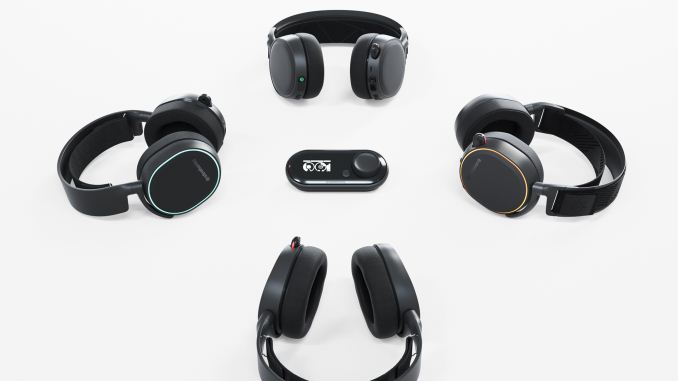
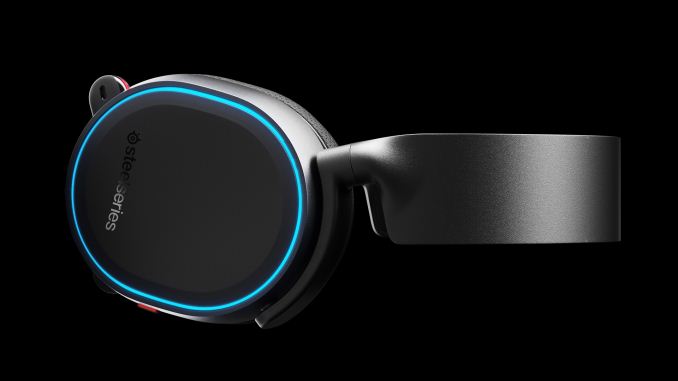
Today SteelSeries is announcing a couple of updates to their headset lineup. The Actis lineup is getting a bit of a facelift, and the SteelSeries GameDAC, which previously was only available as a combo with the Arctis Pro, is going to be offered as a standalone unit to be used with any PC headset.
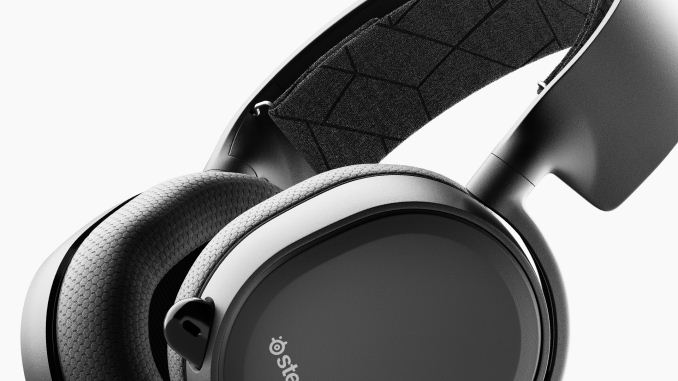
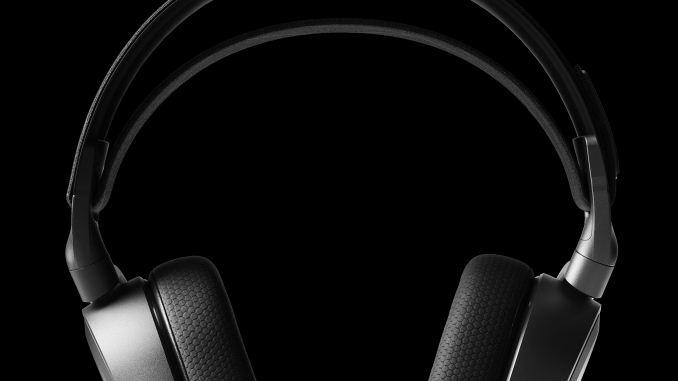
The Arctis 3, 5, and 7 series of headsets are all getting some cosmetic changes to bring added comfort to the headsets, with thicker memory foam around the ears, and the headband on the Arctis 7 has been redesigned to be closer to the headband found in the Arctis Pro for a better fit for a wider range of people.
In addition to the aesthetic changes, the Arctis 5 and 7 models will offer extended bass response, as well as an upgrade to DTX Headphone:X v2.0. If you’re an owner of the existing lineup, fret not; the original Arctis 5 and Arctis 7 headsets will be getting this upgrade as well through the SteelSeries Engine.
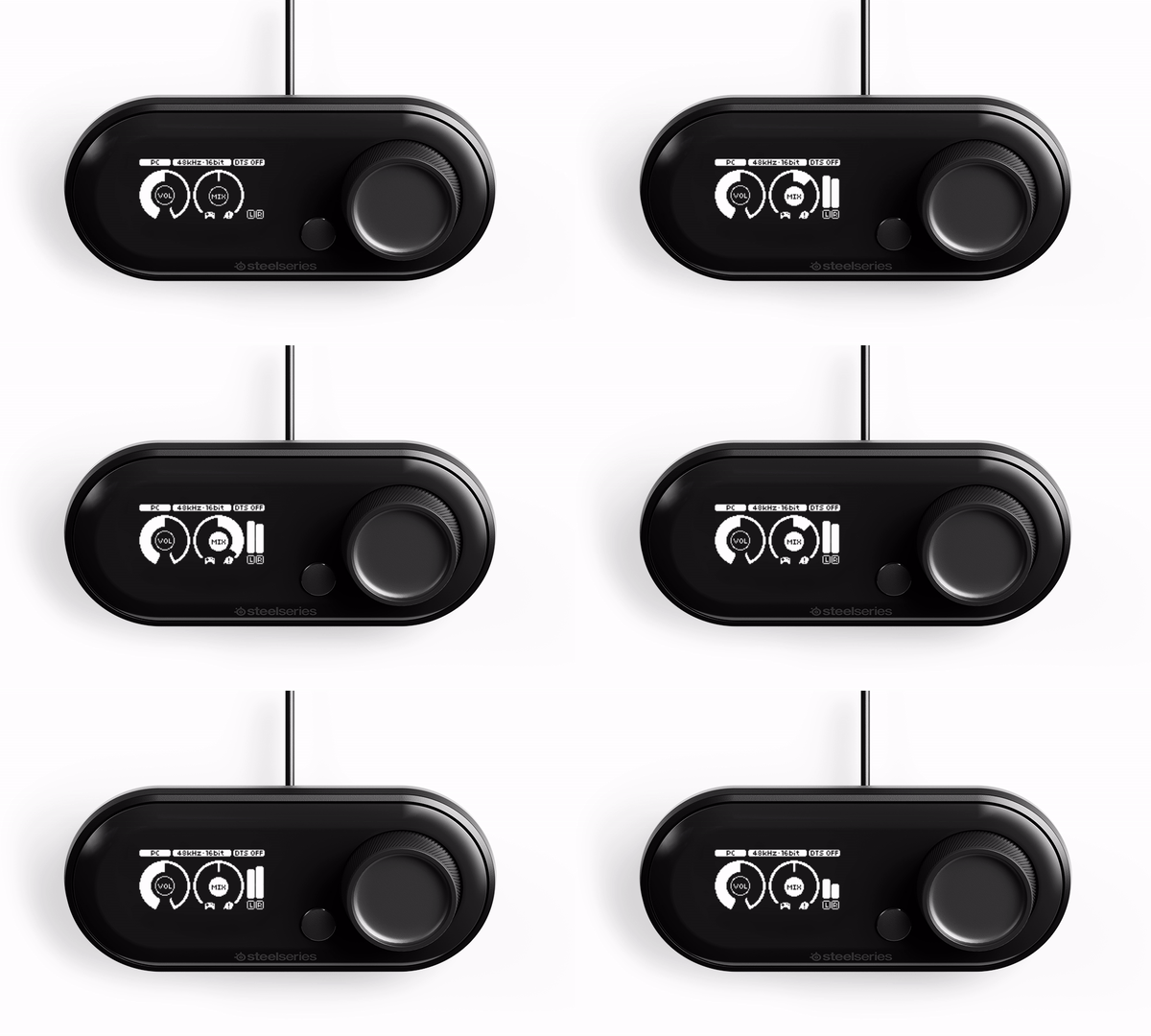
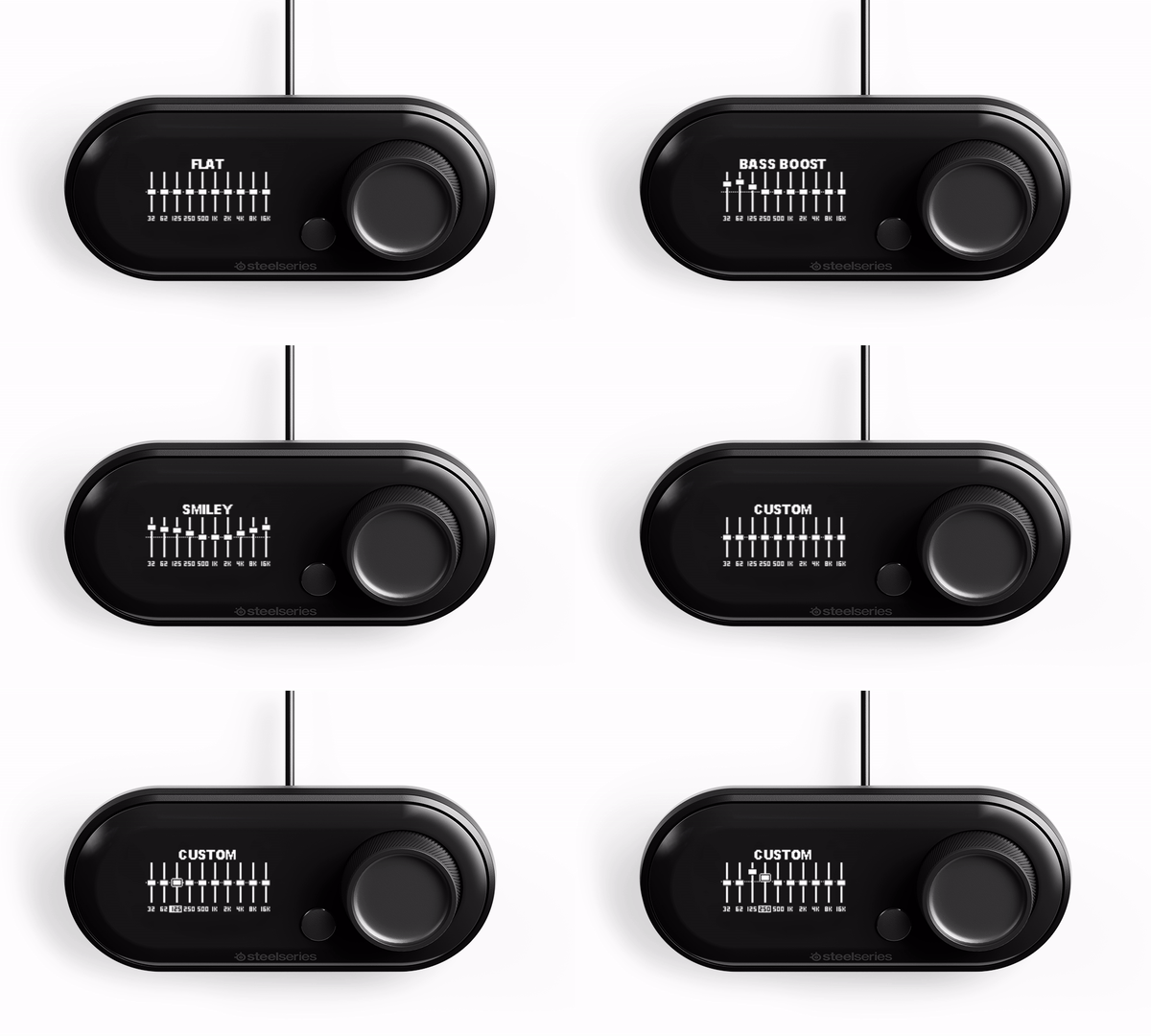
Finally, the GameDAC is going to be offered as a standalone product, rather than only bundled with the Artcis Pro + GameDAC kit. We had a change to check out the GameDAC earlier this year, and it offers a lot of features to the PC audio space, including 24-bit / 96 Khz audio support. This USB powered DAC offers an easy to operate LED display, and features the ESS Sabre 9018 DAC. It’s connected to the PC over USB, and offers additional inputs for 3.5 mm and optical SPDIF as well. It also supports DTS Headphone:X v2.0.
The GameDAC also appears as multiple audio outputs on the PC, so you can send one application to one of them and another to the second, and then you can mix the levels using the GameDAC rotary knob.
It offers a great amplifier, as well as incredibly low noise, and offering it standalone to work with any 3.5mm headset is a smart idea for SteelSeries. The updated Arctis 3, 5, and 7 are available now for $69.99, $99.99, and $149.99. The standalone GameDAC is now globally available for $129.99. | ||||||||||||||||||||||||||||||||||||||||||||||||||||||||||||||||||||||||
| 10:00a | The Samsung Portable SSD X5 Review - Thunderbolt 3 and NVMe in a Premium Enclosure Samsung is launching their first Thunderbolt 3 SSD, the Portable SSD X5, today. It places an OEM version of their 970 EVO NVMe SSD behind an Alpine Ridge controller in a stylish bus-powered magnesium-heavy enclosure. Claimed performance numbers are reads up to 2800 MBps and writes up to 2300 MBps. How does the X5 stack up in our direct-attached storage evaluation? Read on to find out. | ||||||||||||||||||||||||||||||||||||||||||||||||||||||||||||||||||||||||
| 11:00a | Microsoft Launches Xbox All Access
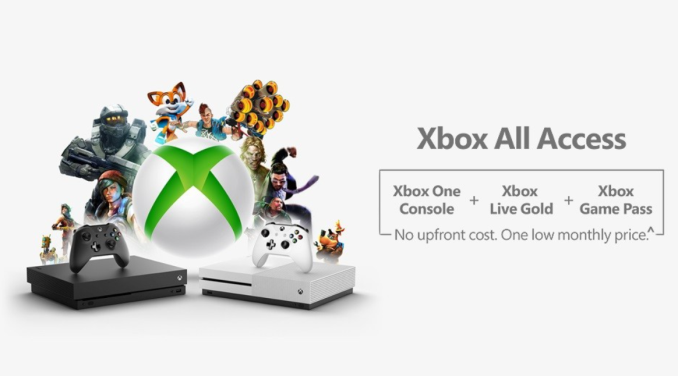
Microsoft has taken the wraps off a new way to get into the Xbox ecosystem with Xbox All Access. For $21.99 per month for two years, you can get an Xbox One S, two years of Xbox Game Pass which offers over 100 games, and two years of Xbox Live Gold. If you want 4K gaming, the Xbox One X is available for $34.99 per month for two years. After the two years, the console is paid for and owned outright. The Xbox One S offer is particularly intriguing, since it costs about $130 less than buying all of these products and services together, whereas the Xbox One X offering is only about $20 less over the course of the two years. This is a pretty smart way try and get people into the Xbox ecosystem. There’s little doubt the up-front cost of consoles is high, especially when you look at the Xbox One X which still goes for the $500 that it was launched at almost a year ago. By adding in the Xbox Game Pass, it also adds a spotlight on a service which is likely flying under the radar a bit. For $10/month, it offers access to over 100 games, and all Xbox exclusives will be on the Xbox Game Pass on the day of release.
All new Xbox One S 1TB or Xbox One X consoles, including those packaged as a bundle with games, is available with Xbox All Access as well. The only catch seems to be that this is currently a limited time offer, “while supplies last”. This likely means the company wants to test the waters a bit before committing to this for the long term, although it seems like a great way to provide access to the Xbox ecosystem and bring in some new customers. Source: Xbox Wire | ||||||||||||||||||||||||||||||||||||||||||||||||||||||||||||||||||||||||
| 4:00p | Intel Launches Whiskey Lake-U and Amber Lake-Y: New MacBook CPUs? Earlier this year Intel announced that it would be introducing two new families to its low power notebook range: Whiskey Lake for new 15W (U-Series) processors, and Amber Lake for new sub-5W (Y-Series) processors. These new parts are at the core the same as the current 8th generation Kaby Lake Refresh parts, but they have been equipped with newer chipsets. With this announcement, we are expecting to see a large number of OEMs with new devices on display at the IFA trade show this week in Berlin. | ||||||||||||||||||||||||||||||||||||||||||||||||||||||||||||||||||||||||
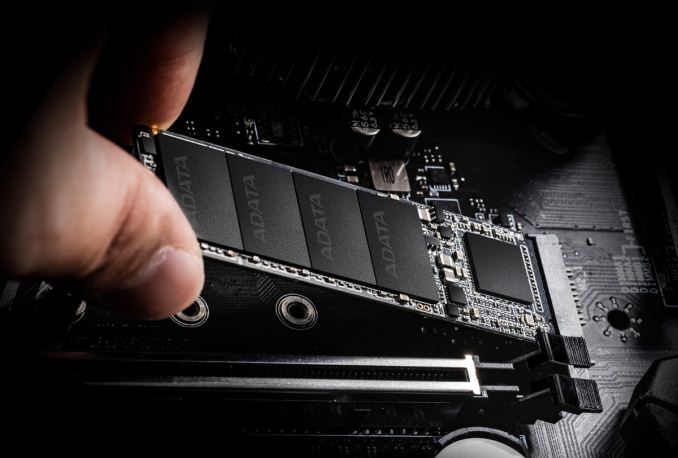
| 5:30p | ADATA Announces XPG SX6000 Pro SSDs: Realtek RTS5763DL with 3D TLC
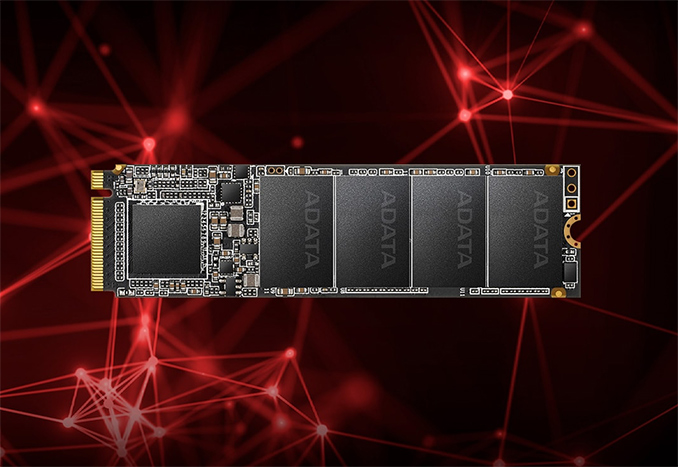
ADATA on Tuesday introduced its new XPG SX6000 Pro SSDs, which are aimed at mid-range gaming PCs. The new SSDs are based on the Realtek’s latest RTS5763DL SSD controller, and in fact ADATA is the first company to formally announce drives using the controller. Though it is not completely clear when the product is set to actually hit the market. ADATA was the only company to launch an SSD based on Realtek’s first-gen RTS5760 controller late in 2017, so it was not completely surprising to see the company demonstrating its XPG SX7100 powered by the RTS5763DL at Computex earlier this year. For some reason, ADATA’s commercial product featuring the aforementioned controller is branded as the XPG SX6000 Pro, even though it is far cry from the SX6000 and SX7000 models in terms of performance and feature set. General specs of the new drives are pretty straightforward as we know general capabilities of the controller. The XPG SX6000 Pro family of SSDs includes models carrying 256 GB, 512 GB, and 1 TB of 64-layer 3D TLC NAND flash memory. All the drives feature a PCIe 3.0 x4 interface, are NVMe 1.3 compatible, support a robust LDPC-based ECC and RAID engines, dynamic SLC caching, and AES-256 encryption. When it comes to performance, the SSDs are rated for sequential read speeds of up to 2100 MB/s as well as sequential write speeds of up to 1400MB/s (when SLC write caching is activated). As for random performance, higher-capacity flavors of the XPG SX6000 Pro are capable of 250K/240K random read/write IOPS.
One thing that ADATA stresses about its XPG SX6000 drives is the fact that they are single-sided and therefore are compatible with various ultra-thin laptops that cannot accommodate double-sided drives. Meanwhile, the manufacturer officially positions the XPG SX6000 SSDs for mid-range gaming systems that usually come with SATA M.2 drives. So, the price of the new units should be comparable.
ADATA’s XPG SX6000 Pro SSDs will hit the market in the coming months. The drives have up to a 600 TB write endurance rating and are covered by a five-year warranty (whichever comes first). Such a long warranty is a relatively new thing for entry-level SSDs, but ADATA seems to be confident of its latest products. Pricing of the XPG SX6000 Pro drives is something that remains to be seen, but since the XPG SX6000-series formally belongs to entry-level gaming solutions, I don't expect the new SSDs to be too expensive. Related Reading: | ||||||||||||||||||||||||||||||||||||||||||||||||||||||||||||||||||||||||

| << Previous Day |
2018/08/28 [Calendar] |
Next Day >> |