[Most Recent Entries] [Calendar View]
Thursday, August 30th, 2018
-
Acer Unveils Predator XB273K 4Kp144 DisplayHDR 400 Gaming LCD
- Acer Nitro VG0 and RG0 Series Monitors: Freesync, IPS, Up to 144Hz
- Acer’s Predator X27 G-Sync HDR Display Listed in the USA, to Ship on June 1
- ASUS Demonstrates ROG Swift PG27UQ: 4K, 144 Hz, HDR, DCI-P3 and G-Sync
- Acer Announces Predator X27 Monitor: 4K@144 Hz with DCI-P3, HDR10, & G-Sync
- Samsung Announces First Freesync 2 Monitors: CHG70 & CHG90 - Quantum Dots, Up to 49”, 144 Hz, DCI-P3
- JapanNext Launches 35-Inch "UWHD" Curved LCD: AMVA & 200Hz Refresh w/FreeSync
- Dell Announces Ultrathin S2719DC LCD: FreeSync USB-C with HDR600
- Lenovo Launches Ultra-Thin ThinkPad P1: X1 Carbon Meets Workstation
- Lenovo Unveils New ThinkPad X1 Carbon, X1 Yoga Laptops: 8th Gen Core, Dolby Vision HDR
- Lenovo Re-Engineers ThinkPad X1 Tablet: 13-inch LCD, Quad-Core i7, TB3, 9.5 Hrs
- Lenovo’s Legion Gets Bigger with Y920: 17-inch G-SYNC, Core i7-K, GTX 1070, TB3
- A different industrial design for the chassis, to better reflect the Nighthawk Pro gaming branding
- Replacement of the traditional firmware with the gaming-optimized DumaOS
- Abilitiy to use the 10G SFP+ port as a WAN port (the Nighthawk X10 restricted it LAN duties when it was launched).
- Value addition in the form of a 6 month unlimited Amazon Cloud backup
| Time | Event | ||||||||||||||||||||||||||||||||||||||||||||||||||||||||||||||||||||||||||||||||||||||||||||||||||||||||||||||||||||||||||||||||||
| 7:00a | Spectre and Meltdown in Hardware: Intel Clarifies Whiskey Lake and Amber Lake With the launch of Intel’s latest 8th Generation Core mobile processors, the 15W Whiskey Lake U-series and the 5W Amber Lake Y-series, questions were left on the table as to the state of the Spectre and Meltdown mitigations. Intel had, previously in the year, promised that there would be hardware fixes for some of these issues in consumer hardware by the end of the year. Nothing was mentioned in our WHL/AML briefing, so we caught up with Intel to find out the situation. | ||||||||||||||||||||||||||||||||||||||||||||||||||||||||||||||||||||||||||||||||||||||||||||||||||||||||||||||||||||||||||||||||||
| 7:29a | IFA 2018: Honor Play Launch, a Live Blog After some meetings this morning, the next event on our list is the western launch of the Honor Play: a Kirin 970 smartphone that focuses on AI. Honor is making big strides as Huawei's sub-brand, and this is the latest device. | ||||||||||||||||||||||||||||||||||||||||||||||||||||||||||||||||||||||||||||||||||||||||||||||||||||||||||||||||||||||||||||||||||
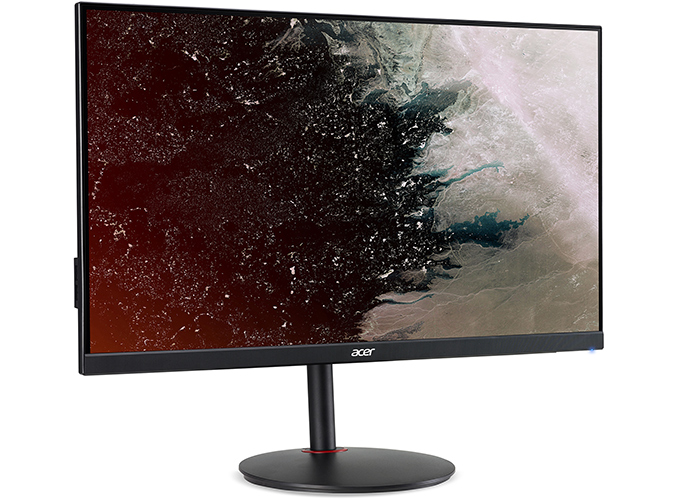
| 7:45a | Acer Announces Nitro XV273K Monitor: 4Kp144, DisplayHDR 400, FreeSync
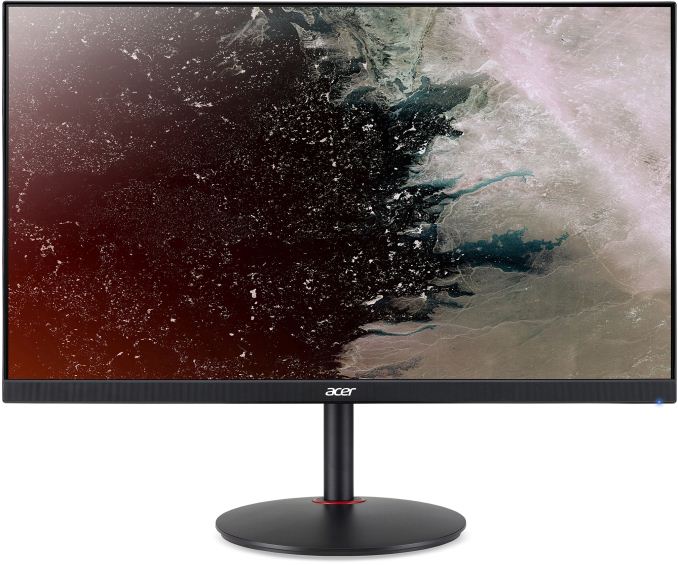
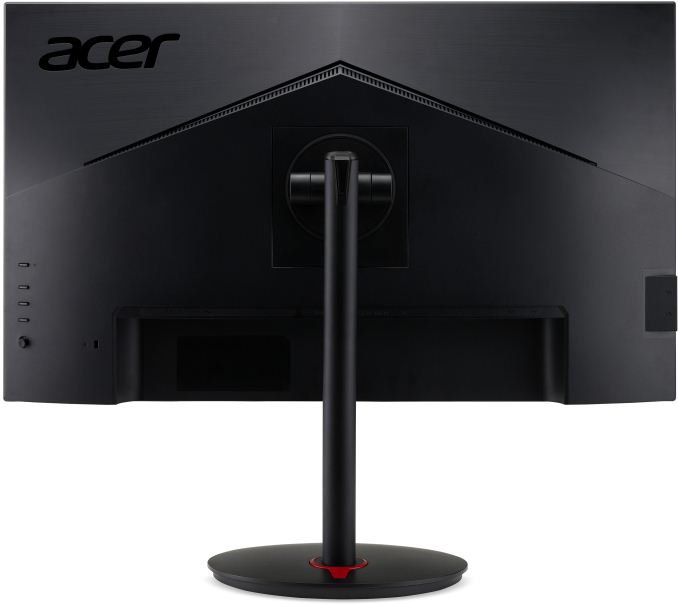
Acer on Wednesday unveiled its new Nitro XV273K display that features an Ultra-HD resolution and a dynamic refresh rate of up to 144 Hz enabled by AMD’s FreeSync technology. The new monitor brings 4Kp144 gaming with variable refresh rates to owners of AMD’s Radeon graphics cards. What is noteworthy is that Acer’s Nitro-series FreeSync-supporting 4Kp144 monitor is considerably cheaper than its G-Sync-supporting counterpart. The Acer Nitro XV273K uses a 27-inch IPS panel featuring a 3840x2160 resolution, an up to 400 nits peak brightness in HDR mode, and a maximum refresh rate of up to 144 Hz. It is unclear whether the display is based on the well-known AU Optronics’ M270QAN02.2 AHVA panel that powers the G-Sync HDR as well as Acer’s Predator XB273K monitors, but this is a likely scenario (though it is not cast in stone as by the time the XV273K hits the market competing panels with similar specs may become available). Acer does not share all the specs of the Nitro XV273K LCD just yet, though it has confirmed that it supports AMD’s FreeSync dynamic refresh rate technology and carries VESA’s DisplayHDR 400 badge, thus supporting HDR10.
In addition to the flagship Nitro XV273K, Acer also introduced its Nitro XV272U and Nitro XF272U monitors based on IPS and TN panels and featuring WQHD resolution along with an up to 144 Hz dynamic refresh rate with AMD’s FreeSync (see precise specs in the table below). All three Nitro X-series models cover 90% – 95% of the DCI-P3 color gamut, though it is unclear whether all of them are also DisplayHDR 400 certified (though it is highly likely that they are). The monitors look similar as they use practically the same 27-inch chassis that can adjust tilt, swivel, and height. Acer’s new Nitro-series monitors with AMD’s FreeSync also feature the company’s Visual Response Boost (VRB) technology that promises to reduce motion blur in fast-paced gaming scenes and therefore make them look sharper. Acer does not explain how the VRB tech works, but it is highly likely the it relies on the same principle as NVIDIA’s ULMB and ASUS’s ELMB technologies. Both methods reduce motion blur by inserting a black image between each frame of video and thus reducing time each frame is displayed.
The new Acer Nitro X-series displays will all ship in Q4. The flagship XV273K will cost $899, whereas the XV272U as well as the XF272U will be priced at $499 and $449, respectively.
Related Reading: | ||||||||||||||||||||||||||||||||||||||||||||||||||||||||||||||||||||||||||||||||||||||||||||||||||||||||||||||||||||||||||||||||||
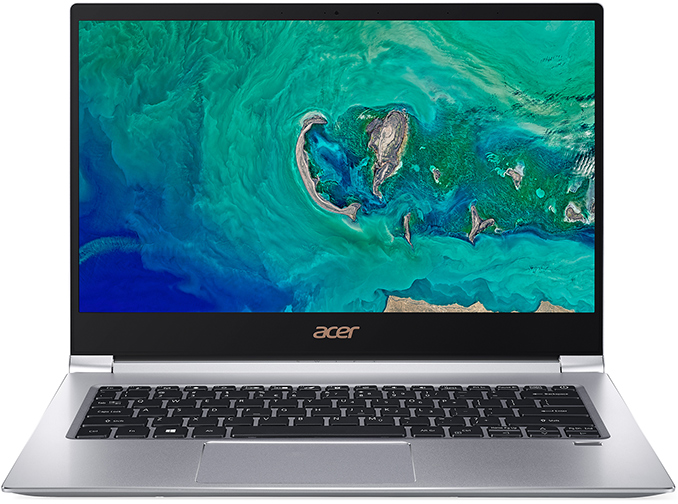
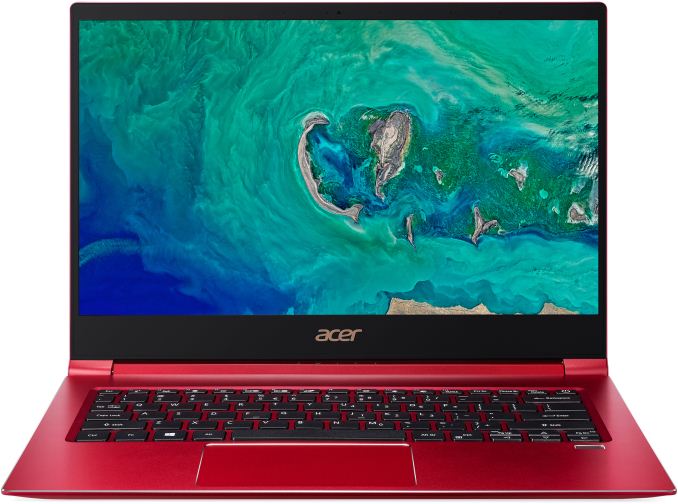
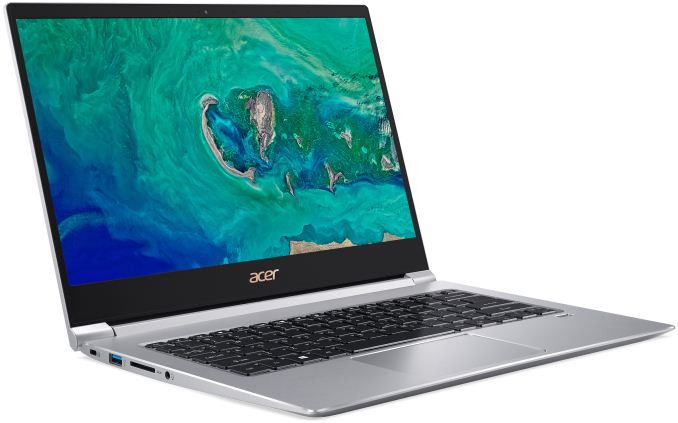
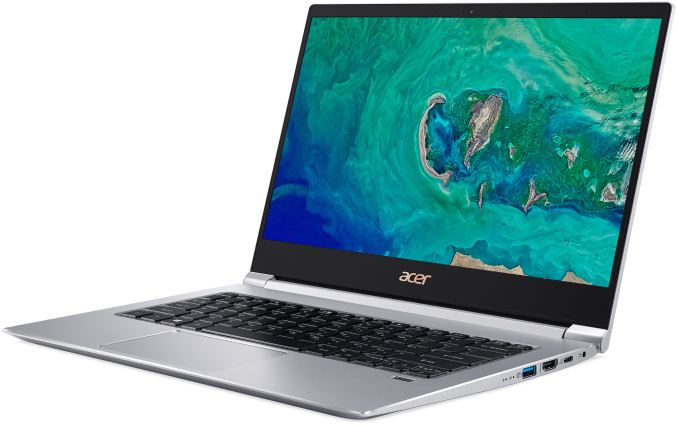
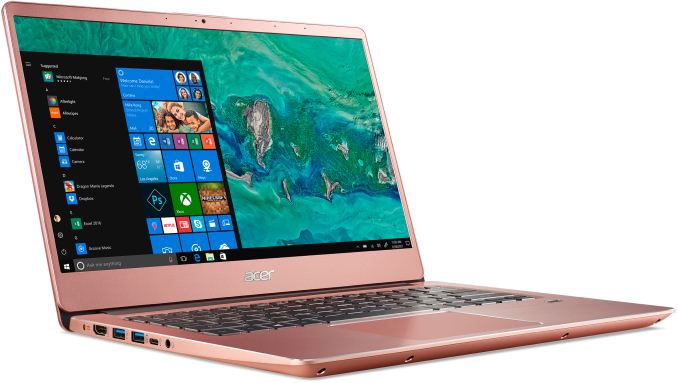
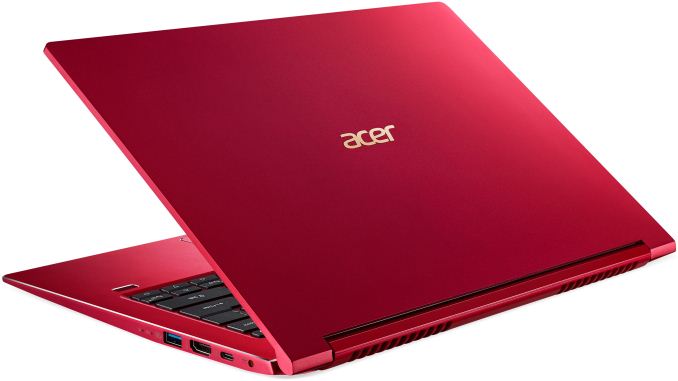
| 8:15a | Acer’s 14-Inch Swift 3 Gets Whiskey Lake-U CPU, GeForce MX150, Goes on a Diet
In addition to launching its ultra-portable 13.3-inch Swift 3 laptops, Acer also introduced revamped versions of its more traditional 14-inch Swift 3 notebooks on Wednesday. The new mobile PCs sport Intel’s latest Whiskey Lake-U processors along with a slimmer design and a longer battery life.
The Acer Swift 3 SF314-55-series notebooks outfitted with a 14-inch Full-HD display are based around Intel’s latest quad-core Core i7-8565U/Core i5-8265U CPUs, or dual-core Core i3-8145U processors that belong to the Whiskey Lake-U family. The new CPUs are accompanied by 4 or 8 GB of DDR4 memory, a PCIe/NVMe SSD featuring up to 512 GB capacity, and an optional NVIDIA GeForce MX150 discrete GPU.
On the connectivity side of things, the Acer Swift 3 (SF314-55/SF314-55G) comes equipped with an 802.11ac + Bluetooth module, two USB 3.0 Type-A ports, an USB 3.1 Gen 2 Type-C port, a HDMI output, a TRRS audio connector, a SD card reader, an optional fingerprint scanner, and a Windows Hello-compliant webcam. The manufacturer does not disclose capacity of the battery for the Swift 3 SF314-55-series laptops, but says that it lasts 12 hours on one charge, which is about two hours longer than on previous-gen models.
Moving on to the key selling point of the new Acer Swift 3 SF314-55-series notebooks: their new design. The new chassis is 14.9 mm (0.59 inches) thick, which is considerably thinner when compared to the 18.9-mm (0.71-inch) chassis of existing 14-inch Swift 3 laptops. For some reason, Acer hasn't touched upon the weight the new Swift 3 PCs as of yet, but it is reasonable to expect the new units to be lighter than their predecessors. To make the new Swift 3 more attractive to those seeking for something eye-catching, the new laptops will be offered not only in the standard silver, but also with a red finish.
In addition to the Swift 3 SF314-55-series laptops, Acer also unveils the Swift 3 SF314-56-series notebooks that come in a slightly thicker chassis which accommodates a hard drive. These machines offer the same CPU and GPU options as their slimmer brethren, but will naturally be able to store considerably larger amounts of data. As for color schemes, the Swift 3 SF314-56-series notebooks will be available in red, blue, pink, and silver enclosures. Acer’s 14-inch Swift 3 (SF314-55 / SF314-55G) laptops will be hitting the market in North America this November at price points starting at $799.99. Meanwhile, the 14-inch Swift 3 (SF314-56 / SF-314-56G) with a hard drive will be available in EMEA markets in early 2019 starting at €799.
Related Reading: | ||||||||||||||||||||||||||||||||||||||||||||||||||||||||||||||||||||||||||||||||||||||||||||||||||||||||||||||||||||||||||||||||||
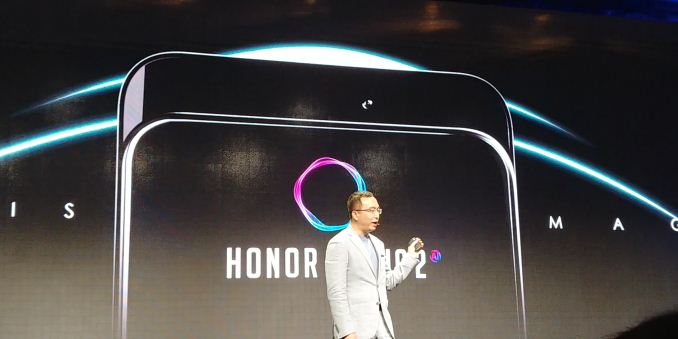
| 8:59a | Honor Previews the Honor Magic 2: A No-Notch FullView Smartphone with Kirin 980
At the end of the presentation today for the Honor Play, George Zhao, CEO of Honor, showcased the upcoming Honor Magic 2. Following on from the original Honor Magic, Mr. Zhao stated that the brand name ‘Magic’ holds a special no-compromise element within the company, and after the Magic was the first smartphone with AI, the new Magic 2 will also introduce a number of firsts.
No details about the smartphone were given, except that it will be using the unannounced Kirin 980, which is set to be a big part of Huawei’s Keynote presentation at IFA. Aside from the SoC, the big thing with the Magic 2 will be the totally FullView display – with the camera and speaker on a sliding up panel, the full front of the phone is the display.
The sliding mechanism for the cameras and speaker looks similar to that from Vivo Nex launched earlier this year, but differs because the sliding mechanism on the Magic 2 looks like a manual process, whereas other versions of the slide seem to use a motor. We were also told that the smartphone will feature a second generation of its 40W charging mode which debuted with the Magic.
On other details, we were told that we have to wait for a future launch date for the Magic 2. | ||||||||||||||||||||||||||||||||||||||||||||||||||||||||||||||||||||||||||||||||||||||||||||||||||||||||||||||||||||||||||||||||||
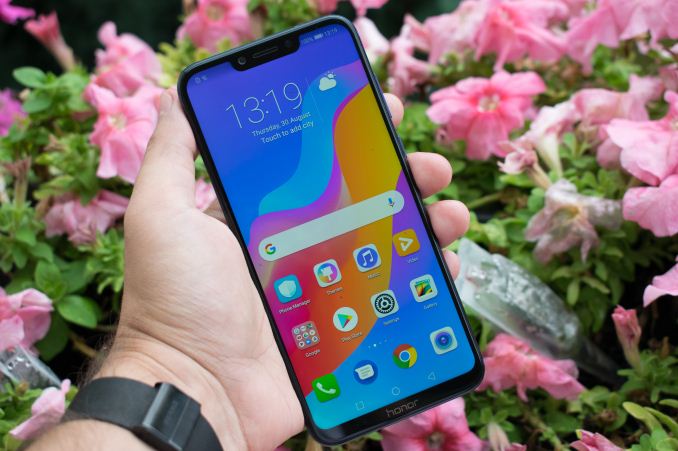
| 9:15a | Honor Launches €329/£279 Honor Play: Hands-On
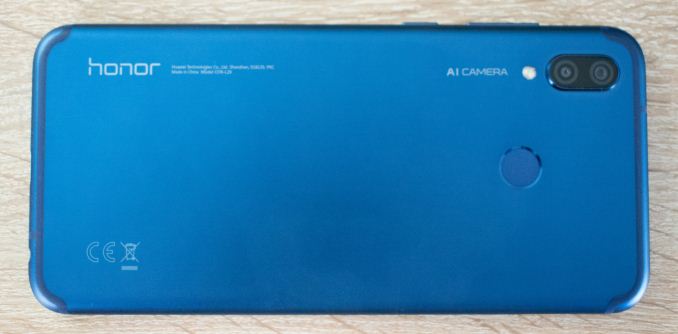
Today at Honor’s event in Berlin we saw the global launch of the new Honor Play smartphone. The Honor Play had been announced in China and India back in July, but starting today we see the phone’s more widespread launch in other markets. The design of the Honor Play resembles more that of past Huawei and Honor phones in the sense that it’s a metal unibody design instead of the newer glass panel found on the P20’s and Honor 10.
The phone comes with the well-known Kirin 970 which features 4x Cortex A73 cores at up to 2.36GHz and 4x Cortex A53 at 1.84GHz. The GPU included is the Mali G72MP12. The unit sports 4GB of RAM and comes with a standard 64GB of NAND storage, expandable via the inclusion of a microSD slot that can also serve as an alternative second nanoSIM slot. Design wise, the Honor Play as a whole is most comparable to the Honor View 10 released earlier in the year, with the exception that the new phone comes with a larger 6.3” screen. It’s to be noted here that the increased screen size comes virtue of a stretching of the aspect ratio to 19.5:9, as the width remains the same. In terms of device footprint, it very much matches the Honor View 10 at it comes at the same 157mm height, a similar 74.3mm width, and is only a hair thicker at 7.5mm. The good news here is that the Honor Play uses the same larger capacity 3750mAh battery as found on the View 10.
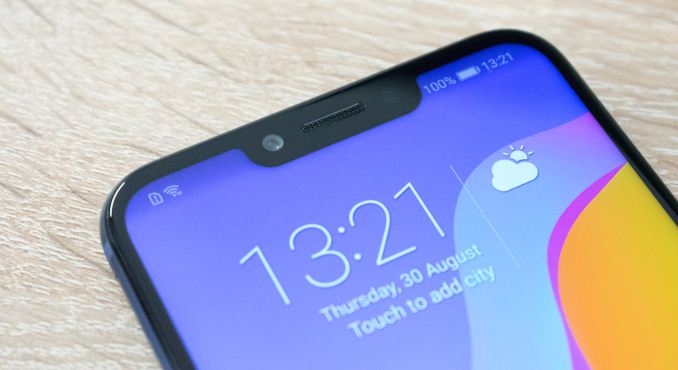
The Honor Play adopts a display notch, however it’s not comparable to what we’ve seen on the P20 series; here the Honor Play notch is a lot wider and more alike what we see in the iPhone X as it employs a wider and bigger speaker grill. The IPS screen comes at with a resolution of 2340 x 1080 – with the time I’ve spent with the phone I’ve found the screen to be quite good and comes with sRGB and DCI-P3 calibration settings. In general for a device in the price range Honor is employing some good quality screens and the Honor Play is no exception as it offers good viewing angles and gets plenty bright.
On the back of the phone we see the rear positioned fingerprint sensor and the two back cameras. The main camera is a 16MP F/2.2 – don’t expect it to compete with the latest flagship devices in terms of light capture capabilities, but it does come with Huawei’s latest AI camera features (Which can be a hit and miss). The secondary sensor is a 2MP unit which serves for depth perception.
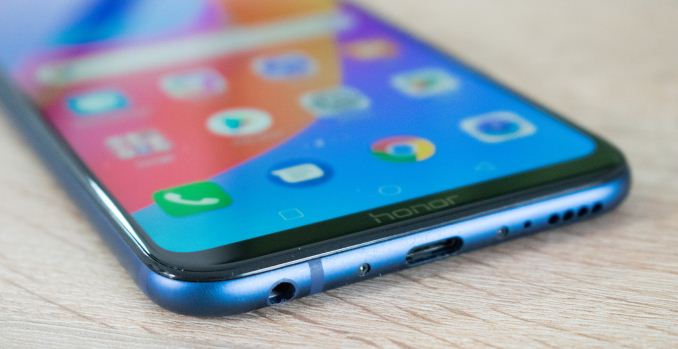
At the bottom of the phone we see a bottom firing mono speaker, a USB-C port and a 3.5mm headphone jack. GPU Turbo ClaimsI’ve been working on a separate article addressing GPU Turbo this week and will be going more in depth about Honor’s performance claims and the corresponding actual performance of the Honor Play. Given that the company is marketing the phone as a gaming oriented device with high performance, it’s to be expected that the phone should perform well. Unfortunately readers should take Honor’s marketing claims with a mountain of salt as we’ve discovered some less than fantastic results in our analysis. Stay in tuned in the next couple of days as we finish our editorial piece on GPU Turbo and Honor’s marketing claims. Price & AvailabilityThe Honor Play comes at a very attractive price of 329€ / £279. Considering the overall quality of the phone, this is an attractive option and offers a lot better value than alternative. The phones comes in “midnight black”, “navy blue”, “ultra violet” standard colours and for an additional 20€ the special “Player edition” versions comes In black and red options. Here the Honor Play’s most direct competition is Xiaomi’s new Pocophone F1, which all in all might be a much better option virtue of the far superior Snapdragon 845 SoC. | ||||||||||||||||||||||||||||||||||||||||||||||||||||||||||||||||||||||||||||||||||||||||||||||||||||||||||||||||||||||||||||||||||
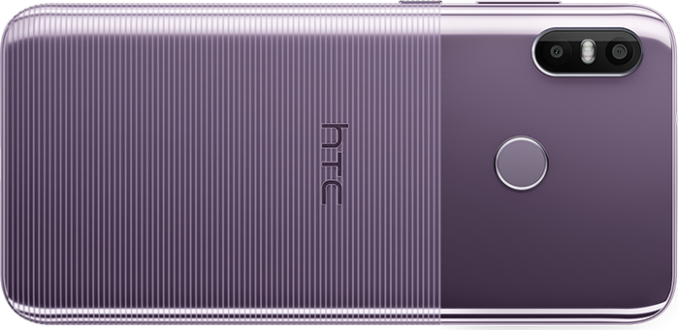
| 10:00a | HTC U12 Life Launched: 6-inch Mid-Range with Two-Tone
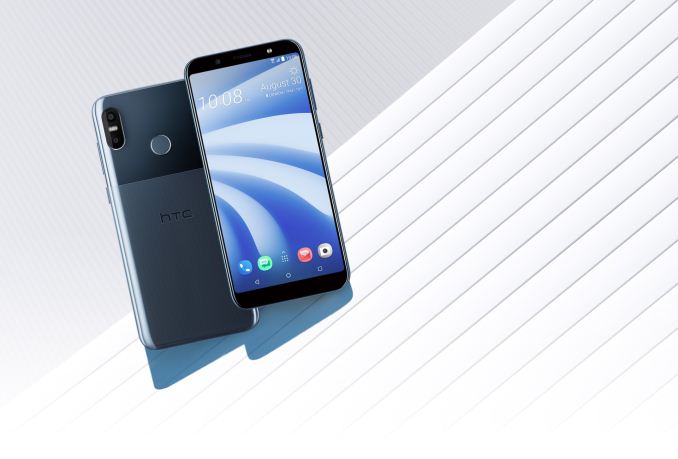
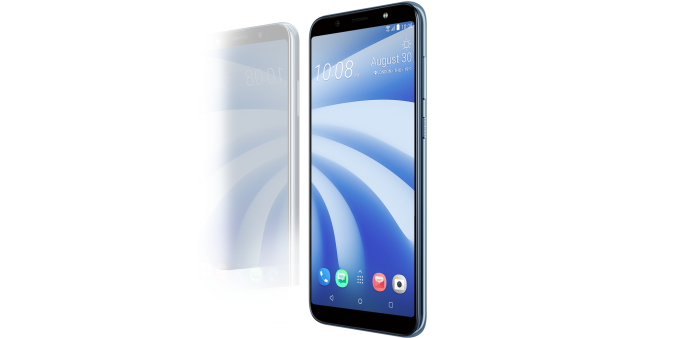
In a raft of smartphone announcements at IFA 2018, next on the list is from HTC with the U12 Life. The U12 Life is the more mid-range version of the U12 family, which also contains the U12+ that was announced in May. The new smartphone still goes big with a 6-inch 2160x1080 display, with an 18:9 aspect ratio, and no notch as smartphones used to be. At the heart of the U12 Life is the Snapdragon 636, with eight Kryo 260 cores and an Adreno 509 GPU, placing it firmly in the mid-range. This follows through with the cameras, upgraded from the U11 Life with a dual rear camera (16MP + 5MP, f/2.0) and a front camera (13MP f/2.0). HTC has put a focus on selfies here, offering a front camera LED flash.
Other features of the smartphone include 4GB of DRAM, 64GB of UFS 2.1 storage, and an expandable microSD slot. The fingerprint sensor is on the rear, which comes with the textured glass back on the bottom half of the smartphone for a two-tone effect – HTC calls this a dual-tone liquid surface. The battery is rated at 3600 mAh, with up to 10W charging, and will be offered in two colors: Moonlight Blue and Twilight Purple.
The phone supports dual nano-SIMs with dual LTE, and has both a 3.5 mm audio jack and USB Type-C connection. The modem inside is good up to Cat 11, or 600 Mbps download. Other wireless connectivity comes via an 802.11ac module with NFC and Bluetooth 5.0.
Pricing for the Life should be around 350 Euro, launching in EMEA later next month. We'll try and get a hands on while we're here at IFA. Related Reading | ||||||||||||||||||||||||||||||||||||||||||||||||||||||||||||||||||||||||||||||||||||||||||||||||||||||||||||||||||||||||||||||||||
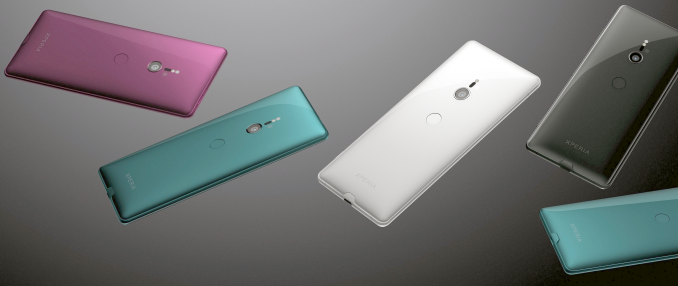
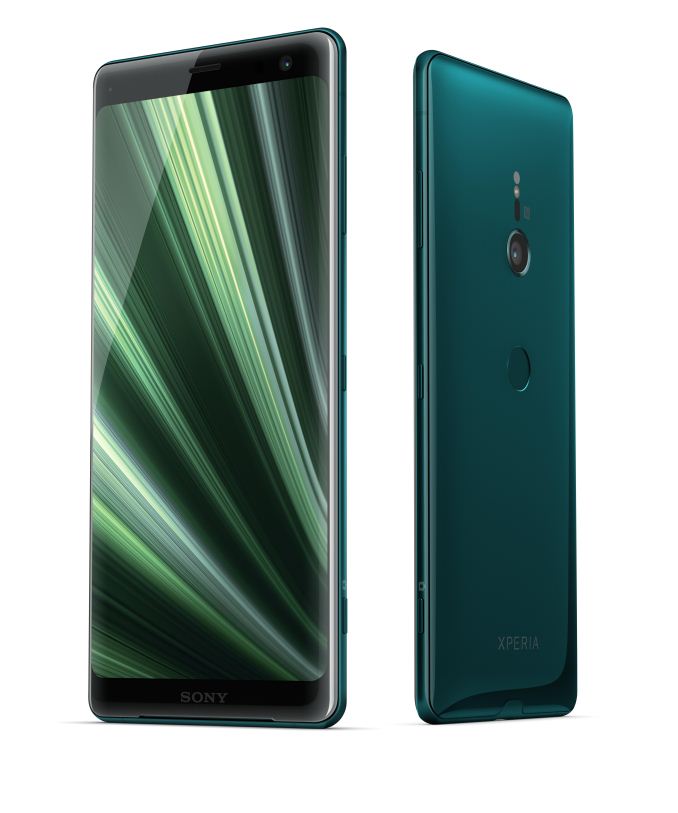
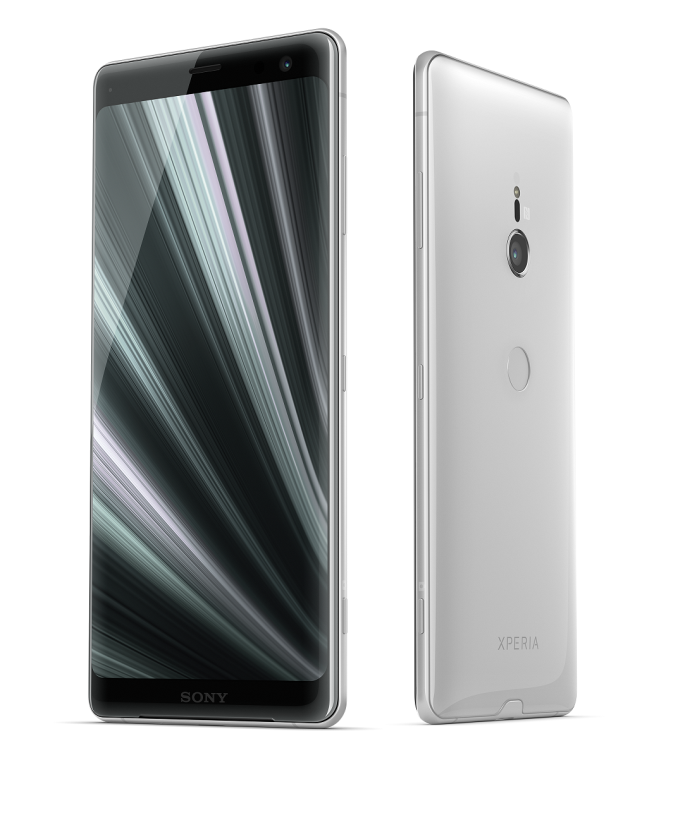
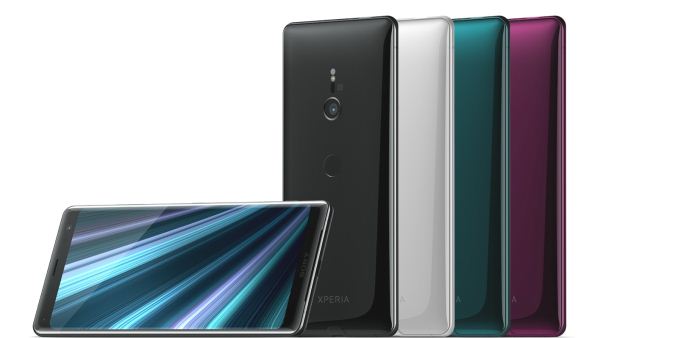
| 11:00a | Sony Launches The Xperia XZ3: First Sony OLED Smartphone
Today Sony launched the successor to this year’s not-so-old XZ2 which was released only 6 months ago at MWC. The new XZ3 is an iterative design over the XZ2, however it brings an extremely important industry development by virtue of being the first smartphone sporting a new Sony OLED display. To date Samsung and LG were the only manufacturers able to manufacture and produce OLED displays in any meaningful quantities and quality- with Samsung being the undisputed market leader in the area.
The XZ3 is largely based on the internals of the XZ3, sporting the same Snapdragon 845 chipset, 4GB of RAM and 64GB of UFS2.1 storage. The XZ3 also has the same main rear camera module with a 19MP Sony sensor module with 1.22µm pixel pitches and a 25mm equivalent f/2.0 aperture lens. Where the XZ3 differs is in the new upgraded front-camera unit which is now upgraded from 5MP to up to 13MP with a new much larger sensor module, and a slight increase in the battery capacity from 3180mAh to 3330mAh.
Obviously the defining feature of the new XZ3 is the new OLED display. Here Sony greatly increases the resolution from 2160 x 1080 to 2280 x 1440 – retaining the same 18:9 aspect ratio while increasing the display diagonal from 5.7” to 6”. Indeed because the display aspect ratio is the same, this means that the new phone’s screen is effectively bigger, yet Sony manages to do this while only increasing the width of the phone by 1mm, and otherwise achieving the larger screen size by reducing the bezels on all sides. The new screen features curves edges, and Sony now includes a new edge-swipe functionality menu much like what you’d see in Samsung’s products.
We haven’t had opportunity to see Sony’s OLED in person yet, but the quality of the new display will be a make-or-break moment for the device as in the past we’ve seen LG stumble in their first generation OLED devices – hopefully Sony has managed to ship a high quality display in the XZ3. The new display continues to support HDR capability. The back of the XZ3 features the same similar design as the XZ2, meaning we find a quite low positioned camera with a centred fingerprint scanner in the middle of the phone. Unfortunately the XZ3 also comes with some of the negative features of the XZ2, among which is the lack of a 3.5mm headphone jack. Software wise, the XZ3 will ship with Android 9.0 out of the box, making this one of the first Android Pie devices on the market. The XZ3 comes in black, white silver, forest green and bureaux red colour option and will be available for USD $899 or £699 and goes on sale in October. | ||||||||||||||||||||||||||||||||||||||||||||||||||||||||||||||||||||||||||||||||||||||||||||||||||||||||||||||||||||||||||||||||||
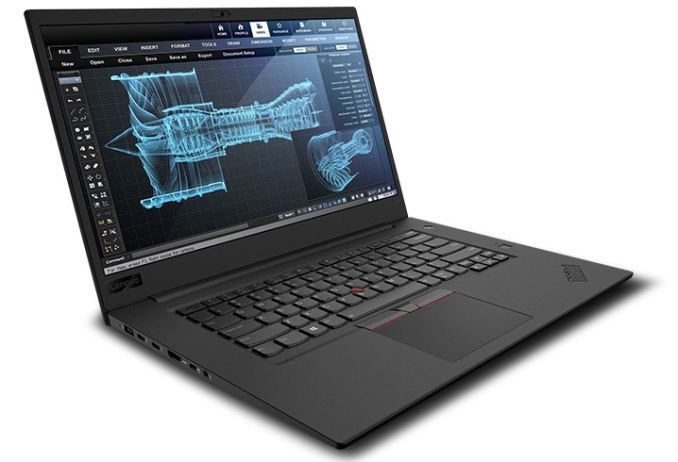
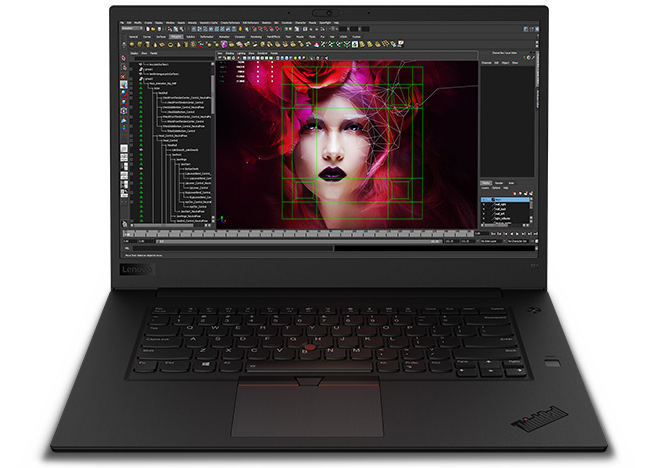
| 2:30p | Lenovo's Halo: The ThinkPad X1 Extreme Announced
Lenovo on Thursday introduced its ultra-thin ThinkPad X1 Extreme laptop aimed at business users interested in gaming and multimedia applications. The new notebook has a 15.6-inch display and is basically a version of the ThinkPad P1 mobile workstation with a gaming-grade discrete GPU and additional enhancements aimed at the target audience. Meanwhile, a ThinkPad is still a ThinkPad, with all the business/enterprise-related advantages of the series. The Lenovo ThinkPad X1 Extreme is based on Intel’s Core i7 or Core i9 processors with up to six cores as well as NVIDIA’s GeForce GTX 1050 Ti discrete GPU with Max-Q software enhancements to guarantee sufficient performance in a variety of games while keeping TDP in check. The notebook can be equipped with up to 64 GB of DDR4-2667 memory as well as up to two M.2 SSDs with a PCIe or SATA interface that can work in RAID 0 or RAID 1 modes. Unlike the ThinkPad P1, the ThinkPad X1 Extreme officially supports 1 TB drives, and therefore up to 2 TB of storage in total.
As with the 13.3-inch ThinkPad X1 as well as 15.6-inch ThinkPad P1 laptops, the ThinkPad X1 Extreme will be available with two display options. The more advanced machines will come with a multitouch 15.6-inch 10-bit IPS LCD with a 4K Ultra-HD (3840×2160) resolution, a 400 nits brightness, and supporting Dolby Vision HDR for appropriate content. The more affordable models will use a non-touch Full-HD (1920×1080) IPS panel featuring a 300 nits brightness and covering 100% of the sRGB color range.
On the wireless connectivity side of things, the ThinkPad X1 Extreme resembles its professional counterpart, the ThinkPad P1. The laptop is outfitted with Intel’s Wireless-AC 9560 802.11ac Wi-Fi solution featuring up to 1.73 Gbps throughput over 160 MHz channels as well as supporting Bluetooth 5.0 tech. As for hardware interfaces, the ThinkPad X1 Extreme is equipped with two Thunderbolt 3 ports (unknown controller), two USB 3.1 Gen 1 Type-A connectors, a mini GbE header (requires a dongle), an HDMI 2.0 output, an optional smart card reader, a 4-in-1 card reader, a webcam, far field microphones, and a TRRS audio port that supports Dolby Atmos with appropriate headphones. Even though Lenovo outfitted its ThinkPad X1 Extreme with NVIDIA’s GeForce GTX 1050 Ti discrete GPU aimed at gamers, the laptop still retains its business/enterprise roots. The notebook comes with Intel’s vPro technology enabled (on i7 CPUs), features a dTPM 2.0 module, a match-in-sensor fingerprint reader, ThinkShutter cover for the webcam, and so on. Meanwhile, ThinkPad’s ergonomic keyboard with key travel of 1.8mm and backlighting will certainly be appreciated by all types of users, including gamers.
Since the ThinkPad X1 Extreme is essentially a version of the ThinkPad P1, it uses a similar black carbon fiber chassis with an aluminum bottom designed to withstand bumps of life as well as harsh environmental conditions while efficiently dissipating heat generated by high-performance CPU and GPU. Obviously, at 17.8 mm (0.7 inch) z-height and at 1.7 kg (3.76 pounds) weight, the ThinkPad X1 Extreme will also be among the thinnest and lightest 15.6-inch gaming notebooks. When it comes to battery life, Lenovo says that the ThinkPad X1 Extreme can last for 15 hours on one charge, presumably with an 80 Wh battery. Meanwhile, just like its ‘professional’ brother, the X1 Extreme uses a power brick with a proprietary connector, not a universal USB Type-C.
Lenovo’s ThinkPad X1 Extreme will be available in September at prices starting at $1,859. Meanwhile, the X1 Extreme systems with overclockable Core i9 processors will be available starting from December. Keep in mind that the Core i9-8950HK does not support Intel’s vPro technology, so laptops based on these chips will lack certain features of notebooks running various Core i7 CPUs. NOTE: The news story used Lenovo ThinkPad P1 provided images. We're pretty sure some of the photos that show crazy viewing angles aren't that clear. With any luck, we will have time for a hands on while at the IFA show. Related Reading | ||||||||||||||||||||||||||||||||||||||||||||||||||||||||||||||||||||||||||||||||||||||||||||||||||||||||||||||||||||||||||||||||||
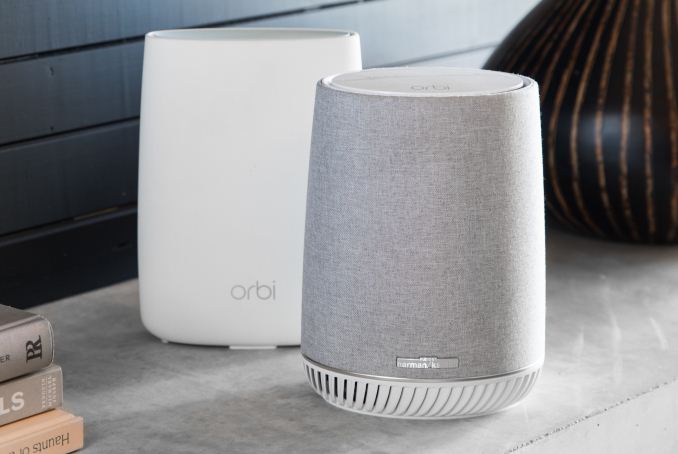
| 3:00p | Netgear's Orbi Voice Melds Mesh Wi-Fi with Smart Speakers
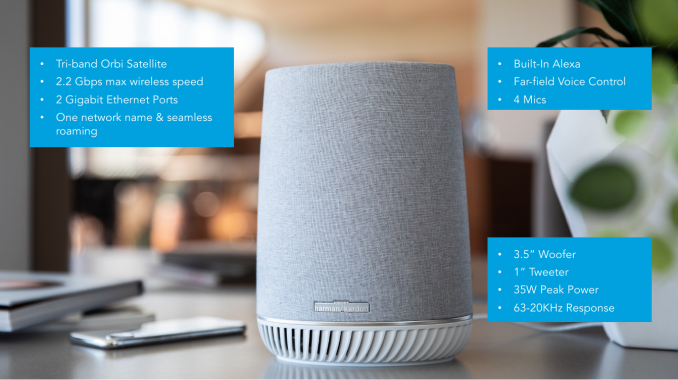
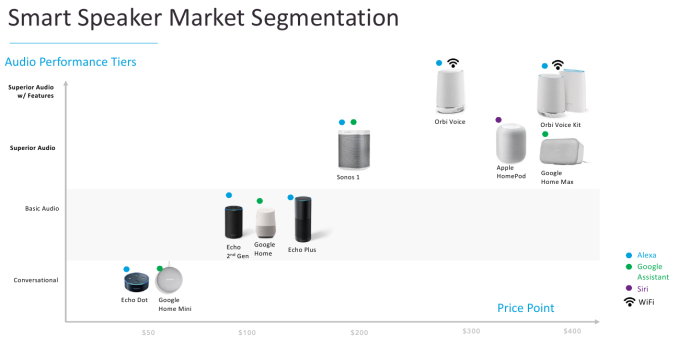
Netgear has been enjoying market success with their Orbi line of mesh Wi-Fi routers. Today, they are launching the Orbi Voice - a mesh Wi-Fi node compatible with existing Orbi kits, that also doubles up as a premium smart speaker with Alexa capabilities. The Orbi kits have been very successful in the market, and Netgear's aim is to keep adding features on top of the existing functionality to widen the target market for the product line. On one hand, we have subscription-based services like Disney Circle that allow for recurring revenue without the sale of new hardware. On the other, we have increased functionality that adds hardware features, like the integrated cable modem in the Cable Orbi launched a few months back. The Orbi Voice falls under the second category. Smart speakers have made it big in the market over the last year or so, with consumers opting to largely ignore the privacy concerns associated with always-listening devices in favor of the convenience and novelty factor. The current smart speaker market is somewhat analogous to the Wi-Fi market in terms of market segmentation. On the Wi-Fi side, we have basic wireless routers, and Wi-Fi systems / mesh kits build on top of that. Vendors are then able to tag on advanced features and services on top of these Wi-Fi systems. On the smart speakers side, we have devices like the Amazon Echo Dot, which act more like voice assistants for conversational audio. Moving up the value chain, we have speakers offering basic music quality, while the Apple HomePod and the like fall under the premium audio category. Netgear's Orbi Voice aims to deliver premium audio along with all the value additions possible in a mesh Wi-Fi system.
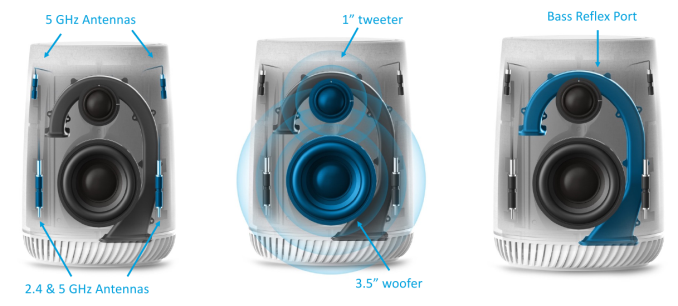
With Netgear's core expertise being in the Wi-Fi area, the audio segment of the Orbi Voice is handled by Harman / Kardon. The companies have worked together to minimize the interference between the speakers and the wireless antennae.
The Orbi Voice with Built-In Alexa is certified by Amazon for use with US, UK, and Australian English, as well as German and French. The device comes with ring LEDs to convey the Wi-Fi and Alexa status, and also comes with the standard buttons for waking, speaker, and microphone muting. The device also supports various music services such as Spotify, Pandora, Amazon Music, Tune-In, Deezer, iHeart Radio etc. Current Orbi owners interested in the Orbi Voice can purchase the Orbi Voice satellite (the AC2200 RBS40V, $300) which can seamlessly plug into their existing Orbi network. The Orbi Voice kit (RBK50V, $430) is an AC3000 system with the higher-end Orbi master (non-speaker variety) and the Orbi Voice satellite bundled together. The products will be available for purchase in September 2018.
The wireless router is an indispensable part of the modern household. As the number of connected devices in the home increases, it makes sense to integrate more of their functionality into the wireless router itself. In fact, many vendors are trying to move the home automation / smart home hub into the router, but, the growth in that market has been a bit slow. On the other hand, smart speakers have taken the market by storm and are enjoying unexpected success. The Orbi Voice launch shows that Netgear has been able to respond quickly to take advantage of this recent trend. It also helps keep their Orbi juggernaut rolling. | ||||||||||||||||||||||||||||||||||||||||||||||||||||||||||||||||||||||||||||||||||||||||||||||||||||||||||||||||||||||||||||||||||
| 5:30p | Netgear XR700 Router Brings 802.11ad and 10G to the Nighthawk Pro Gaming Family
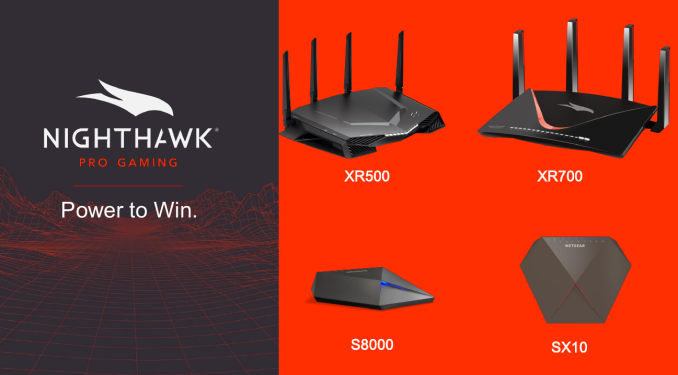
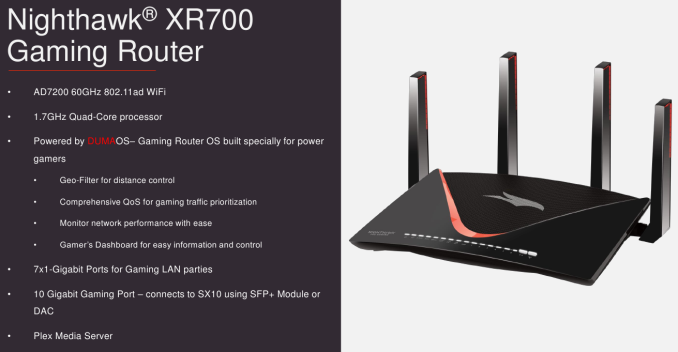
At the 2018 CES, Netgear had introduced the Nighthawk XR500 gaming router and the SX10 (GS810EMX) NBASE-T switch as part of the Nighthawk Pro family to server the needs of gamers. Today, they are launching the XR700 router that brings the capabilities of the router component to be a more powerful complement to the SX10 NBASE-T switch introduced earlier. Similar to the XR500, the new XR700 router runs the DumaOS firmware developed by Netduma. DumaOS has been receiving frequent updates to enable compatibility of features such as geo-filtering with the latest games. The capabilities of DumaOS have been well-marketed by Netgear earlier. The main difference between the XR500 and the XR700 lies in the internal hardware. While the XR500 was an AC2600 router with the Qualcomm-based Nighthaws X4S platform, the XR700 makes the step up to AD7200. This platform was last seen in the Nighthawk X10 launched in Q4 2016. It integrates an Annapurna Labs AL-314 SoC along with 802.11ac / 802.11ad radios from Qualcomm. In addition to the 802.11ad capabilities, the router also comes with a 10G SFP+ port. A direct-attach cable / SFP+ module (Netgear AXM765) to convert to 10GBASE-T is available separately. On the firmware side, we get the pre-installed Plex Media Server (similar to the Nighthawk X10).
The main differences between the Nighthawk X10 and the XR700 are: With the launch of the XR700, Netgear now has a powerful flagship in their Nighthawk Pro Gaming lineup. Combined with the S8000 and SX10 switches, Netgear is able to offer a complete solution for LAN gaming parties, while fulfilling the other requirements of the gaming crowd. The Netgear XR700 has a MSRP of USD 500, and will be available for purchase in September 2018 for USD 500. The launch price of the Nighthawk X10 was also the same, but that product is available for $420 currently - a better price for those who need 802.11ad and 10G SFP+ without all the gaming features. | ||||||||||||||||||||||||||||||||||||||||||||||||||||||||||||||||||||||||||||||||||||||||||||||||||||||||||||||||||||||||||||||||||


_Blue_01_thumb.jpg)
_Blue_02_thumb.jpg)
_Blue_03_thumb.jpg)
_Blue_04_thumb.jpg)
_Blue_05_thumb.jpg)
_Blue_06_thumb.jpg)













| << Previous Day |
2018/08/30 [Calendar] |
Next Day >> |