[Most Recent Entries] [Calendar View]
Tuesday, September 4th, 2018
| Time | Event | |||||||||||||||||||||||||||||||||||||||||||||||||||||||||||||||||||||||||||||||||||||||||||||||||||||||||||||||||||||||||||||||||||||||||||||||||||||||||||||||||||||||||||||||||||||||||||||||||||||||||||||||||||||||||||||||||||||||||||||||||||||||||||||||||||||||||||||||||||||||||||||||||||||||||||||||||||||||||||||||||||||||||
| 8:30a | Huawei Launches the Mate 20 Lite: 6.3-inch Kirin 710 with 3D QMoji
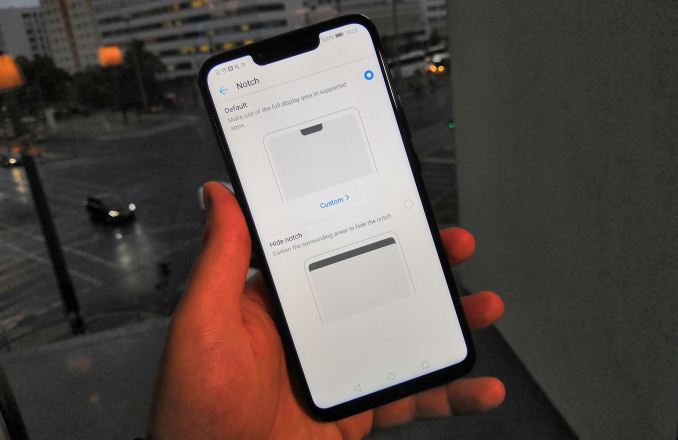
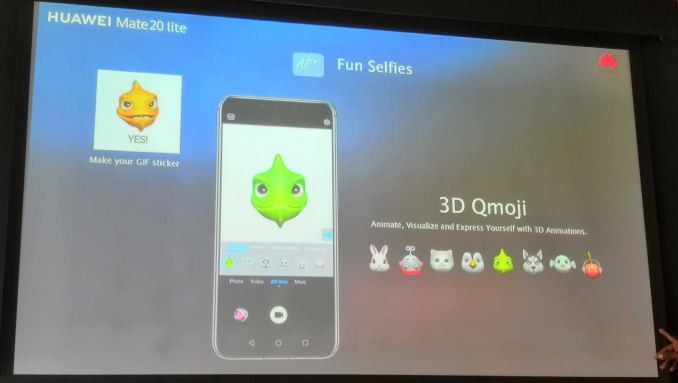
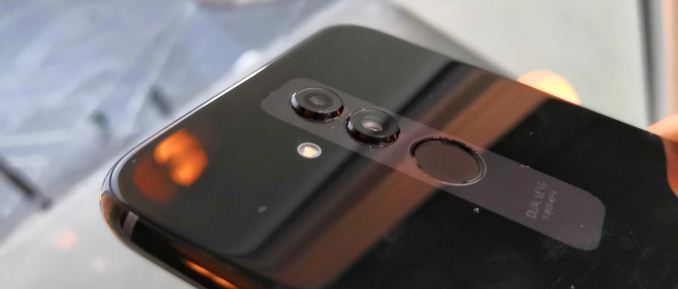
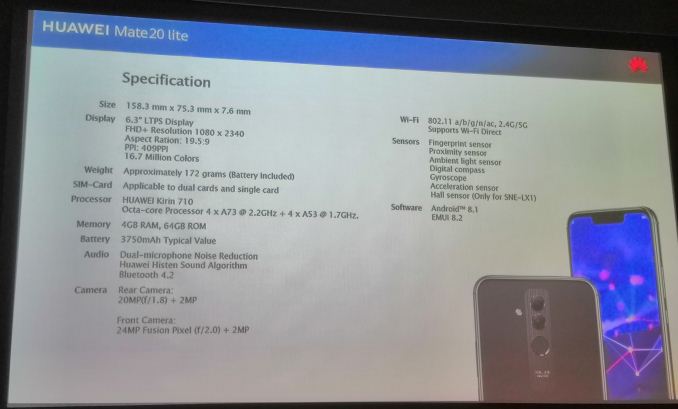
Alongside announcing the latest high-end Kirin 980 SoC, Huawei is also introducing the Mate 20 Lite to the UK market. This is a lower-end version of flagship Mate line, despite the Mate 20 coming later this year, however the Lite features an interesting SoC in the Kirin 710 while maintaining the Mate style ethos. Other key features on the device include the large screen size, the ability to run three apps in multi-tasking mode, and 3D ‘QMoji’, a different take on the animoji trend. Mate 20 Lite: Anything ButNormally a ‘lite’ phone tends to be the smaller, more compact, and a budget version of the flagship product. The Mate 20 lite comes in at a super-large 6.3-inch display, 19.5:9 aspect ratio (2340x1080), and a notch to equate to an 81% screen to body ratio. Normally a phone that size shouldn’t be called Lite, but here we are.
The Kirin 710 under the hood is a quad-A73 plus quad-A53 chip, seen previously in the Huawei Nova 3i which had a limited release. Huawei is promoting the use of AI heavily with this smartphone, although the chip does not have dedicated AI hardware, with the neural networks for photography running on the CPU+GPU. That GPU is the Mali G51MP4, so a relatively light graphics unit, and it’s all built on TSMC 12nm, so Huawei is also aiming for power efficiency and battery life here. In the Mate 20 Lite, the chip is backed with 4GB of DRAM and 64 GB of UFS 2.1 storage.
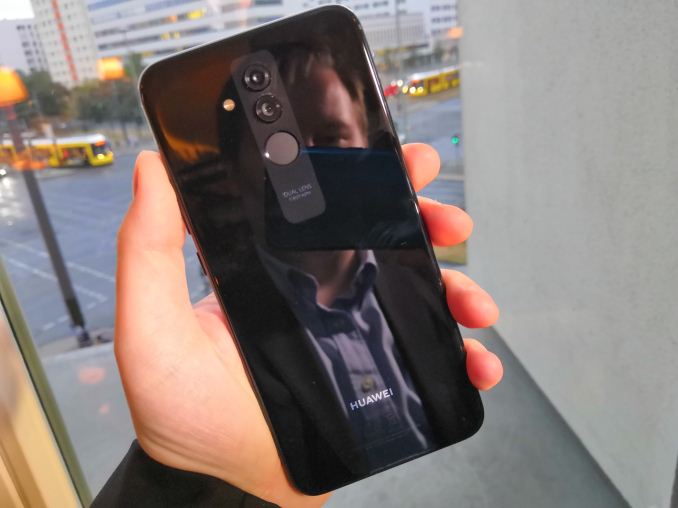
Another element that Huawei will be promoting is the use of quad cameras: two on the front and two on the back. Both pairs of cameras will have a main RGB camera and a depth sensing camera, primarily to implement after-capture bokeh. The main rear camera is a 20MP f/1.8 unit, paired with a 2MP depth camera, and the front camera is a 24MP f/2.0 unit, also with a 2MP depth camera. AI is applied on both sets of cameras, with Huawei promoting scenery recognition and other effects such as 3D portrait lighting adjustment. The secondary aspect to the camera is Huawei’s ‘QMoji’, a take on Apple’s animoji, with various characters and effects for a similar result. Video recording on the rear cameras can go up 480 fps.
Also on the AI list is a shopping assistant, which is able to identify products and send you to the respective Amazon store, as well as AI noise cancellation which promises better call quality, and curated Albums from photos, with the ability to analyse scenes and locations to collate the similar venues and events into albums.
The battery in the device is listed as 3750 mAh, which Huawei says is good for up to 17 hours of video, or ‘2.3 days’ for a regular user. For gaming, Huawei is promoting its GPU Turbo technology, which promises higher frame rates at lower power.
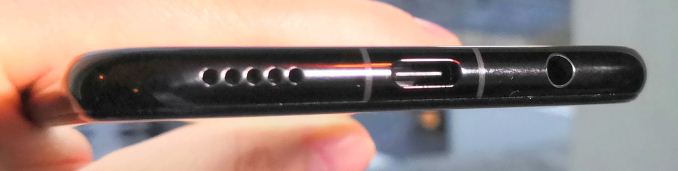
After playing with the device for a short while, I can’t say I was overly impressed with the looks. Compared to the flair we usually see with Huawei devices, this one feels quite ‘standard’ rather than unique. The shape and the edge felt flat, and despite the edges being curved it felt fairly utilitarian. With that in mind, one of the features is the ability to run three apps at once while multitasking, which could potentially be useful.
The Mate 20 Lite will be available in the UK from next Wednesday, and be priced at £379. Availability in other regions will be announced in due course. Related Reading | |||||||||||||||||||||||||||||||||||||||||||||||||||||||||||||||||||||||||||||||||||||||||||||||||||||||||||||||||||||||||||||||||||||||||||||||||||||||||||||||||||||||||||||||||||||||||||||||||||||||||||||||||||||||||||||||||||||||||||||||||||||||||||||||||||||||||||||||||||||||||||||||||||||||||||||||||||||||||||||||||||||||||
| 8:59a | Huawei & Honor's Recent Benchmarking Behaviour: A Cheating Headache Does anyone remember our articles regarding unscrupulous benchmark behavior back in 2013? At the time we called the industry out on the fact that most vendors were increasing thermal and power limits to boost their scores in common benchmark software. Fast forward to 2018, and it is happening again. | |||||||||||||||||||||||||||||||||||||||||||||||||||||||||||||||||||||||||||||||||||||||||||||||||||||||||||||||||||||||||||||||||||||||||||||||||||||||||||||||||||||||||||||||||||||||||||||||||||||||||||||||||||||||||||||||||||||||||||||||||||||||||||||||||||||||||||||||||||||||||||||||||||||||||||||||||||||||||||||||||||||||||
| 9:00a | Huawei’s GPU Turbo: Valid Technology with Overzealous Marketing One of the biggest announcements from Huawei this year is that of its new GPU Turbo technology. The claims that it could provide more performance at less power, without a hardware change gave us quite a bit of pause. Internally, more than a few raised eyebrows appeared. As part of our discussions with Huawei this year at IFA, as well as some pretesting, we actually now have a base understanding of the technology, as well as additional insight into some of the marketing tactics – not all of which are the most honest representations of the new feature. | |||||||||||||||||||||||||||||||||||||||||||||||||||||||||||||||||||||||||||||||||||||||||||||||||||||||||||||||||||||||||||||||||||||||||||||||||||||||||||||||||||||||||||||||||||||||||||||||||||||||||||||||||||||||||||||||||||||||||||||||||||||||||||||||||||||||||||||||||||||||||||||||||||||||||||||||||||||||||||||||||||||||||
| 10:00a | Samsung Launches Broad Range Of Datacenter SSDs
Today Samsung is launching a new generation of datacenter SSD models that are intended for small and medium businesses and will be sold through online retailers. Most of the new models are related to existing enterprise SSDs like the PM883 that have only been available to OEMs and the largest customers. The new models will be easier to acquire than the OEM models, and will not include any of the OEM-specific firmware customizations. Overall, this amounts to a major shift in Samsung's enterprise SSD strategy—away from being a pure OEM supplier and toward the OEM+channel model they use for client/consumer SSDs.
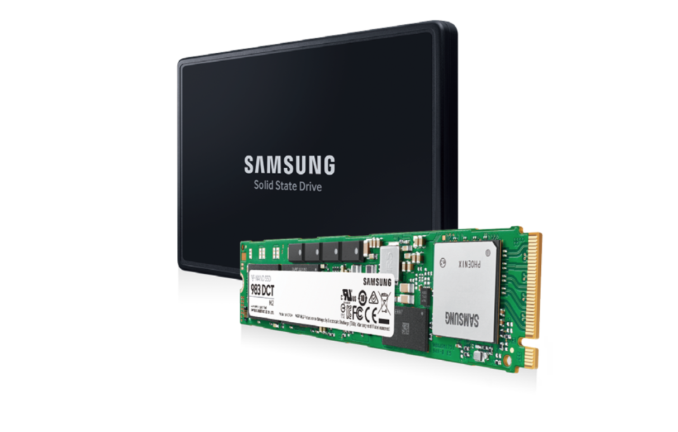
Starting at the bottom of the new product stack is the 860 DCT SATA SSD. This drive falls between a typical client/consumer drive and what is usually expected from an enterprise SSD. The 860 DCT 's hardware platform is based on the 860 EVO consumer SSD and thus lacks power loss protection, but the firmware is tuned for consistent sustained performance with no SLC write caching. The 860 DCT is intended for cost-sensitive use cases like content distribution networks (CDNs) that have very read-heavy workloads and do not require the extra data integrity guarantees provided by power loss protection. The 860 DCT uses 3D TLC NAND, but this product segment should be taken over by QLC NAND over the next year or two. The 860 DCT's write endurance rating is 0.2 drive writes per day (DWPD), comparable to entry-level client/consumer SSDs.
The higher-end SATA drive Samsung is introducing is the new 883 DCT, based on the PM883 introduced at the beginning of the year. This drive features power loss protection and a more typical write endurance rating of 0.8 DWPD. There's no MLC-based SATA SSD in the new product family, reflecting the shift to NVMe/PCIe interfaces for drives intended for write-heavy workloads.
The mainstream NVMe product in the new family is the 983 DCT, based on the PM983's combination of TLC NAND and the Phoenix controller that also powers the 970 PRO and 970 EVO consumer SSDs. The 983 DCT features substantially higher performance than the 883 DCT SATA drive but comes with the same 0.8 DWPD write endurance rating. The 983 DCT will be available in the M.2 22110 form factor or as a 7mm-thick 2.5" U.2 with slightly higher performance thanks to the higher power and thermal limits of the larger form factor. The PM983 is also manufactured in Samsung's new NF1 form factor, but there are too few systems with NF1 slots to justify releasing a retail 983 DCT in that form factor at this time.
Lastly, the new 983 ZET finally brings Samsung's Z-SSD technology to a broader audience. The 983 ZET is features much higher write performance than the 983 DCT and is rated for up to 10 DWPD. This is still well shy of the 30 DWPD that the Z-SSD SZ985 offers or the 60 DWPD that Intel is now offering on the Optane SSD DC P4800X. Low latency is still a key selling point of Z-NAND, but Samsung has not yet provided final random I/O or latency specs for the 983 ZET. The 983 ZET will be available as a PCIe add-in card, though a future M.2 version based on the SZ983 would not be surprising. The two SATA drives and the 983 DCT are already shipping and are starting to show up for sale through distributors like Amazon and CDW. The 983 ZET will be available on September 24th. We already have a review sample of the 860 DCT undergoing testing, and are expecting to review the 883 and 983 later this year. | |||||||||||||||||||||||||||||||||||||||||||||||||||||||||||||||||||||||||||||||||||||||||||||||||||||||||||||||||||||||||||||||||||||||||||||||||||||||||||||||||||||||||||||||||||||||||||||||||||||||||||||||||||||||||||||||||||||||||||||||||||||||||||||||||||||||||||||||||||||||||||||||||||||||||||||||||||||||||||||||||||||||||




| << Previous Day |
2018/09/04 [Calendar] |
Next Day >> |