[Most Recent Entries] [Calendar View]
Monday, August 2nd, 2021
| Time | Event |
| 4:00p | Google Tensor debuts on the new Pixel 6 this fallGoogle Tensor debuts on the new Pixel 6 this fallSenior Vice President In 2016, we launched the first Pixel. Our goal was to give people a more helpful, smarter phone. Over the years, we introduced features like HDR+ andNight Sight, which used artificial intelligence (AI) to create beautiful images with computational photography. In later years, we applied powerful speech recognition models to build Recorder, which can record, transcribe and search for audio clips, all on device. AI is the future of our innovation work, but the problem is we’ve run into computing limitations that prevented us from fully pursuing our mission. So we set about building a technology platform built for mobile that enabled us to bring our most innovative AI and machine learning (ML) to our Pixel users. We set out to make our own System on a Chip (SoC) to power Pixel 6. And now, years later, it’s almost here. Tensor is our first custom-built SoC specifically for Pixel phones, and it will power the Pixel 6 and Pixel 6 Pro later this fall. 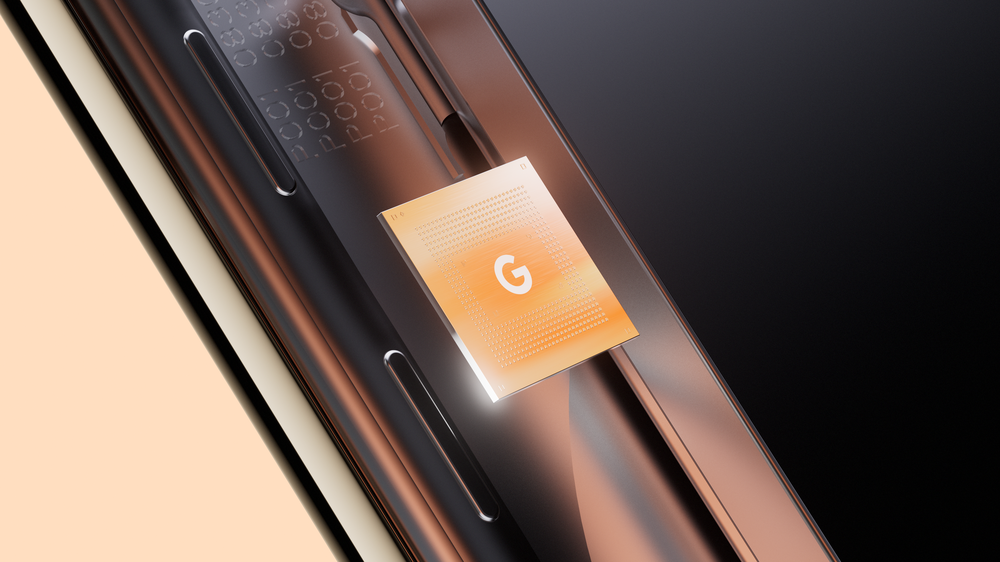 Pixel 6 and Pixel 6 ProPixel 6 and Pixel 6 Pro debut this fall, and that’s when we'll share all the details we normally release at launch like new features, technical specs and pricing and availability. But today, we’re giving you a preview of what’s to come. Industrial designThese new phones redefine what it means to be a Pixel. From the new design that combines the same beautiful aesthetic across software and hardware with Android 12, to the new Tensor SoC, everything about using the Pixel is better. We also upgraded the rear camera system. The improved sensors and lenses are now too big to fit into the traditional square — so the new design gives the whole camera system a new home with the camera bar. 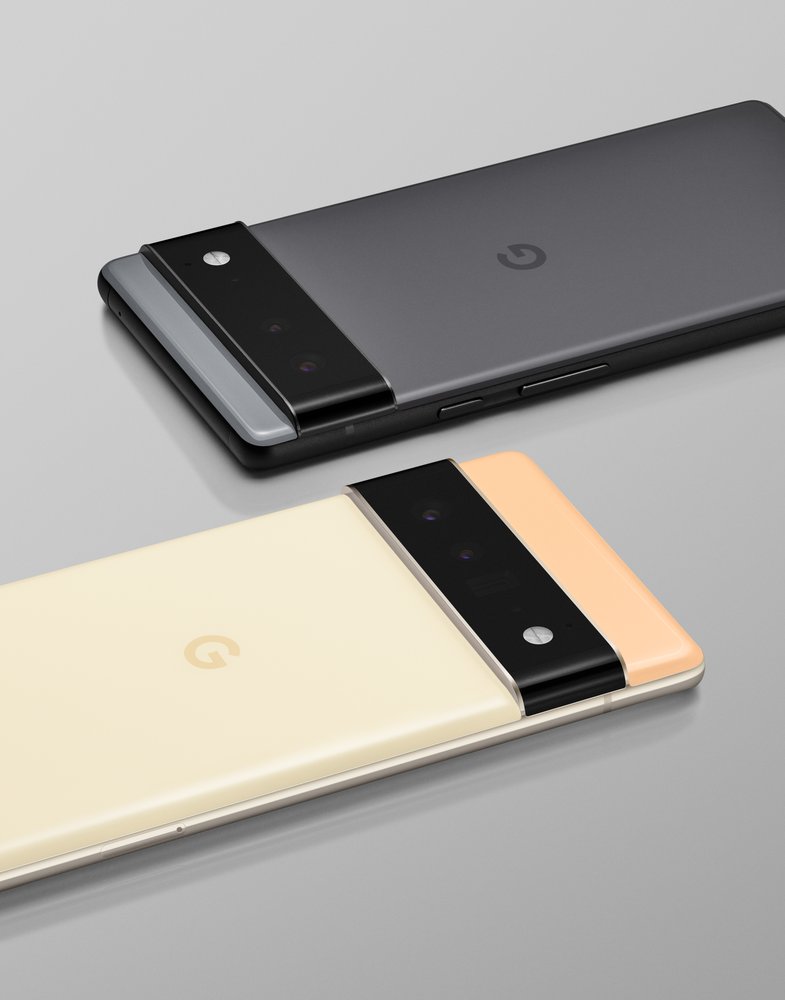 The Pixel 6 and Pixel 6 Pro have new materials and finishes, too — like the Pro’s light polished aluminum frame, and the 6’s matte aluminum finish. And they both feel great in your hand. Material YouGoogle announced Android 12 and the new Material You design language at Google I/O. With Material You, we’re mixing color science with years of work in interaction design and engineering. These UI updates are grounded in the new animation and design framework — to make using your Pixel feel incredibly natural because everything runs smoothly on the Tensor chip. TensorTensor was built for how people use their phones today and how people will use them in the future. As more and more features are powered by AI and ML it’s not simply about adding more computing resources, it’s about using that ML to unlock specific experiences for our Pixel users. The team that designed our silicon wanted to make Pixel even more capable. For example, with Tensor we thought about every piece of the chip and customized it to run Google's computational photography models. For users, this means entirely new features, plus improvements to existing ones. Tensor enables us to make the Google phones we’ve always envisioned — phones that keep getting better, while tapping the most powerful parts of Google, all in a highly personalized experience. And with Tensor’s new security core and Titan M2, Pixel 6 will have the most layers of hardware security in any phone**. You’ll see this in everything from the completely revamped camera system to speech recognition and much more. So whether you're trying to capture that family photo when your kids won’t stand still, or communicate with a relative in another language, Pixel will be there — and it will be more helpful than ever. We look forward to sharing more about Pixel 6 and Pixel 6 Pro later this year. * These devices have not been authorized as required by the rules of the Federal Communications Commission or other regulators. These devices may not be sold or otherwise distributed until required legal authorizations have been obtained **Based on a count of independent hardware security subsystems and components.  Google Tensor is our first custom-built SoC specifically for Pixel phones, and it will power the Pixel 6 and Pixel 6 Pro later this fall. Google Tensor is our first custom-built SoC specifically for Pixel phones, and it will power the Pixel 6 and Pixel 6 Pro later this fall. |
| 5:00p | Cheer on the finalists of our Indie Games FestivalCheer on the finalists of our Indie Games FestivalDirector On September 4, we’re celebrating some of the best indie talent on Google Play during the Indie Games Festival finals for Europe, Japan and South Korea. This year the three festivals are virtual, so you can join us to discover the games, meet the developers who created them, cheer them on and be the first to hear who the winners are. In June we kicked off the Indie Games Festival – a competition to celebrate the innovation and creativity that indie developers bring to Google Play. We received thousands of submissions, showing our judges how unique and diverse our games developer community is. The panel of judges have now selected 20 games in each region – listed below – to go forward to the finals on September 4. Each finalist receives exclusive promotions and prizes that give their games the recognition they deserve. So, don’t miss out. Expect plenty of fun and some very special surprises. Sign up now to virtually attend the festivals for Europe, Japan and South Korea. The events are free to attend and will all take place in the same space, so sign up to one and you will be able to teleport to all events! 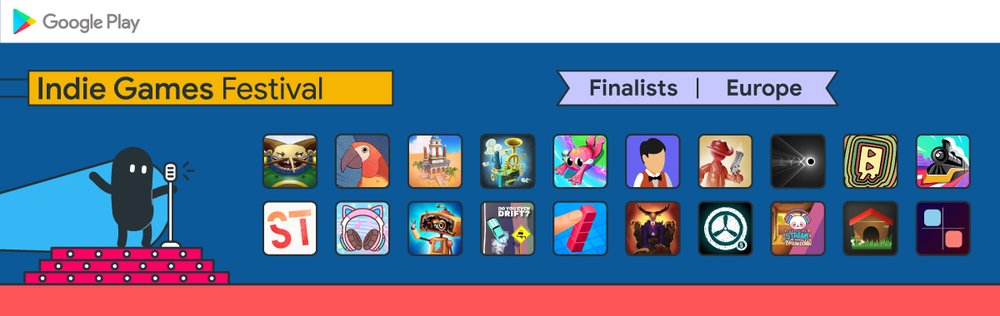 EuropeBeat Workers by NaturalPad Games, France Bird Alone by George Batchelor, United Kingdom Cats in Time by Pine Studio, Croatia Figment by Bedtime Digital Games, Denmark Froglike: The Frog Roguelike by Jimjum Studios, Israel Garson by Anastasiya Shabunia, Belarus Gumslinger by Itatake, Sweden Lyxo by Emoak, Austria Psychofunk by Tommy Søreide Kjær, Norway Railways by Infinity Games, Portugal Sticky Terms by kamibox, Germany Sweet Sins Superstars by Platonic Games, Spain Tiny Robots Recharged by Big Loop Studios, Bulgaria Tofu Drifter by Roach Games, Russia Towers by JOX Development, Ukraine Unholy Adventure by Dali Games, Poland Warplane Inc by Nuclear Games, Russia Watch Me Stream My Mental Breakdown by Ultaan Games, Poland Woof: The Good Boy Story by CHPV.GAMES, Russia Zen Symmetry by 8tbl, Russia Sign up to attend the European finals. 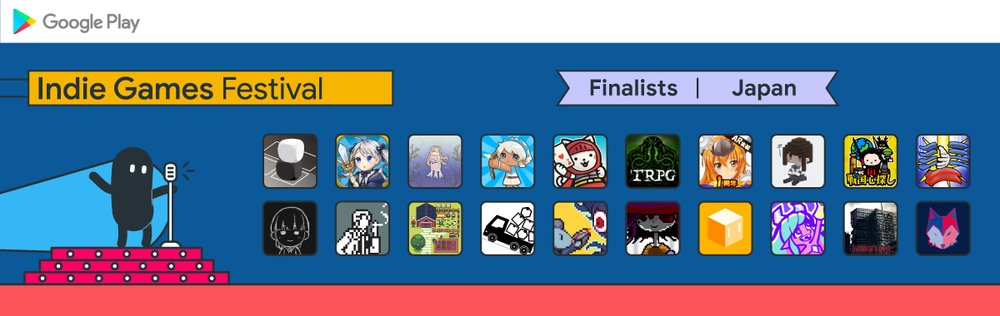 Japan3D Chess: NOCCA NOCCA by Curiouspark, Inc. 5colors in Nate by NekodoraSoft Amabie san by HARAPECORPORATION Inc. Archer Battle Online by Takuya Fujieda Cthulhu DreamStairs by Tenyu ElectriarCode by ELECTRIAR LABO / Blue Escape from the Closed Circle by Hanachiru Heart of Sengoku by ZEN APP Leaving Two Tiles Dojo by ScreenPocket Living in the Ending World by illuCalab. MAKOTO WAKAIDO’s Case Files “Executioner’s Wedge” by HafHaf-Oden (Sukashiuma-LAB) Mini Mini Farm by CoffeeBreak MonohakobiPro by CGO Mousebusters by Odencat Numpurr Card Wars by Nukenin Parasite Days by Zxima Quantum Transport by ruccho Super Glitter Rush by tiny cactus studio Survivor's guilt by aso Wolf Chess by baton inc. 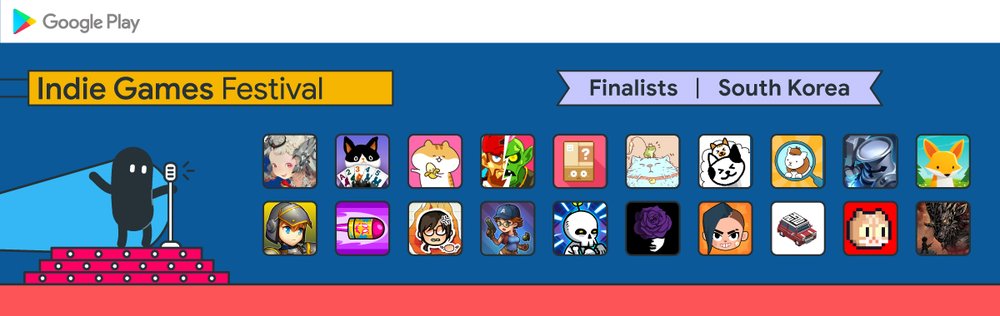 South KoreaAngel Saga by Alchemist Games Inc. Animal Card Royale by Banjihagames Animal Doll Shop by Funnyeve BattleLive: Zombie&Human by PLOTRICK Box It Up! Inc. by team TAPE CATS & SOUP by HIDEA Cats are Cute: Pop Time by kkiruk studio Detective Mio by 1N1 Dicast: Rules of Chaos by BSS COMPANY Forest Island by Nanali Studios Frontier of Fortune by Dotomchi Games Inc. FUNKYGUNNER by FUNKY5 Group Project Simulator! by Studio806 Gun Tactics by Gimle Games Hybrid Warrior: Dungeon of the Overlord by Cat Lab Metro Blossom by The Sane Studio Portal Dungeon by Oblique Line Rush Hour Rally by Soen Games The Way Home by CONCODE Titan Slayer by Touchholic Sign up to attend the South Korean finals. PS: Curious to hear who was selected for the Indie Games Accelerator? Attend the European Festival to find out! Register to attend the Indie Games Festival from Google Play to discover the best games, meet the teams behind them and have fun. |
| 7:00p | Express yourself and connect with others on ChromebooksExpress yourself and connect with others on ChromebooksDirector of Chrome OS Software Many people this past year used Chromebooks to keep in touch with family and friends, stay entertained and work or learn from home. Today, we’re introducing a few new features that make connecting and communicating with others — on video chat or through text — even easier. Improved video calls on your ChromebookWith more people now relying on video calls, we’ve improved the experience to help make sure you’ll have smooth conversations on any Chromebook and your favorite app. With Chrome OS’s latest update, Google Meet will be pre-installed on all Chromebooks, so it’s easy to launch into the app and get on a video call right from the Launcher. Google Meet includes exciting features, like video backgrounds, that make meetings more inclusive and fun. We’ve also made performance improvements like adapting video calls to different network conditions and adjusting video performance during screen sharing.  The new Google Meet app on Chromebook Recently we partnered with Zoom to launch an improved version of the app for Chromebooks on the Google Play Store. This new version delivers faster performance, takes up less storage and includes latest features such as breakout rooms, live transcription and a new background masking feature for privacy. Plus, you can find other apps for video calling to suit your specific needs. For example, you can connect with teams remotely on Jitsi-Meet or hang out with friends and family on Houseparty. And to make your video calls even better, you can add Works With Chromebook certified accessories to your setup, including web cameras and headsets from partners like Logitech, EPOS and Lenovo. Express yourself with emoji |
| << Previous Day |
2021/08/02 [Calendar] |
Next Day >> |