Add this feed to your friends list for news aggregation, or view this feed's syndication information.
LJ.Rossia.org makes no claim to the content supplied through this journal account. Articles are retrieved via a public feed supplied by the site for this purpose.
| Monday, February 23rd, 2026 | |||||||||||||||||||
| LJ.Rossia.org makes no claim to the content supplied through this journal account. Articles are retrieved via a public feed supplied by the site for this purpose. | |||||||||||||||||||
| 11:55 am | Belgian Pirate Site Blocking Order Targets Cloudflare and Google, But Not Their DNS
The country’s two-step system, where a court issues an injunction and a government department (BAPO) then determines how it is implemented, has resulted in a series of diverse site-blocking orders since the framework launched in 2025. An Eclectic Site Blocking PushThe first order, obtained by sports broadcaster DAZN in April 2025, started quite aggressively. It required ISPs and third-party DNS resolvers, including Cloudflare, Google, and Cisco’s OpenDNS, to stop resolving over 100 pirate domains. If not, they would risk a fine of €100,000 per day. Cisco refused to comply with the order and instead pulled OpenDNS out of Belgium entirely. Cloudflare and Google remained in Belgium and cooperated, though each did so in its own way. A second blocking order followed in July last year, requiring various intermediaries, including ISPs, hosting companies, and payment services, to block shadow libraries. Initially, Internet Archive’s Open Library was also targeted, but this decision was eventually reversed after the U.S. non-profit agreed to geo-block certain content on its service. Meanwhile, Cisco reportedly appealed the initial site-blocking order and returned to Belgium. While this appeal remains ongoing, the Belgian site-blocking machine didn’t stop. Last November, an order obtained by Disney, Netflix, Sony, Apple, and others, targeted popular movie piracy sites, including 1337x and Soap2day. Notably, this order only applied to Belgium’s five major ISPs. DNS resolvers were nowhere on the list, likely due to Cisco’s appeal. First IPTV Blocking OrderA new order, issued by the Court of Brussels, targets five illegal IPTV services: LEMEILLEURIPTV, BESTIPTVABO, ATLASPRO12, OTT PREMIUM, and MIJNIPTV. The order was obtained by Belgian broadcasters RTL Belgium and RTBF, whose broadcasts were distributed by these services without permission. 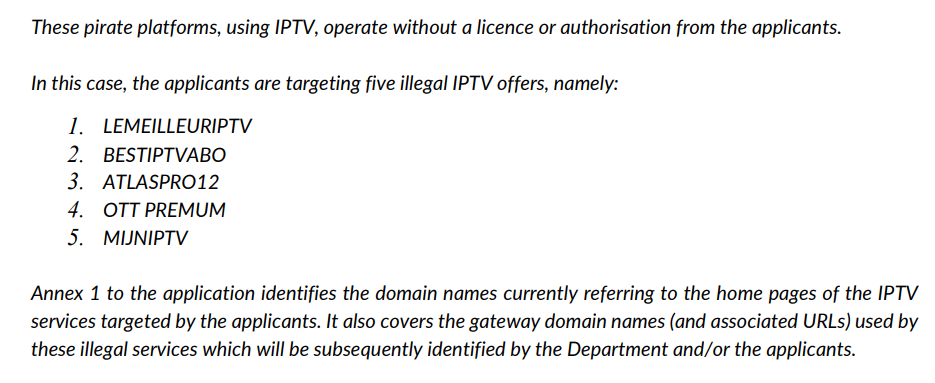 The implementation decision, published by Belgium’s Department for Combating Infringements of Copyright and Related Rights Committed Online (BAPO), described the IPTV services as “structurally dedicated to the mass infringement of audiovisual content”.
Note: While the BAPO implementation order does not explicitly name the rightsholders, it lists specific content from RTL Belgium and RTBF. Both broadcasters confirmed obtaining an IPTV blocking order against Belgian ISPs at the Brussels court earlier this month.
According to information shared by the rightsholders, the services used cryptocurrency, which they see as a sign of illegality. In addition, the IPTV services showed users how to circumvent blocking measures. All in all, the implementation order requires Belgium’s five major ISPs, Proximus, Telenet, Orange Belgium, Mobile Vikings, and DIGI Communications, to block domain names associated with these IPTV services. This also applies to mirror sites and redirect domains that can be added to the blocklist in future updates. Cloudflare and Google Are Back, But Not for DNSThe ISPs will have to use DNS-based blocking measures, as is standard procedure in most countries. However, DNS blocking measures are not requested from Cloudflare and Google, which are also covered by the injunction. The order names the American tech companies as intermediaries and requires them to help stop the IPTV services through other routes. Specifically, if Cloudflare acts as a CDN or hosting provider, it must take measures to prevent Belgian users from accessing the named IPTV services. Crucially, Cloudflare’s DNS resolver and WARP service are not covered. Google is not required to block the domains on its DNS resolver either. Instead, Google must de-index the relevant domains from its search results, deactivate associated Google Ads, and block access through Google Sites and Google Cloud services where applicable. This omission of any third-party DNS restrictions is almost certainly not accidental. Cisco’s appeal of the April 2025 order resulted in a Brussels court suspending enforcement of the DNS blocking requirement, allowing OpenDNS to resume operations in Belgium pending a final ruling. With that legal challenge still unresolved, rightsholders appear to have opted for a more defensible scope, targeting Cloudflare and Google in their roles as infrastructure providers rather than as DNS operators. Exploring the Blocking LimitsThe latest blocking order shows how Belgium’s blocking regime continues to calibrate itself in real time. Each new order is seemingly shaped by the legal and practical fallout from the last. April 2025: Initial DAZN order aggressively targets ISPs and third-party DNS resolvers. Cisco pulls OpenDNS from Belgium. July 2025: Second order requires various intermediaries to block shadow libraries. Summer 2025: Cisco appeals; court suspends DNS blocking requirement, allowing OpenDNS to return. Nov 2025: Broad order against movie piracy sites applies strictly to ISPs. DNS resolvers are omitted. Current: Broadcasters RTL & RTBF obtain IPTV blocking order. Cloudflare and Google are targeted, but are not required to block DNS. Whether the broader DNS blocking orders will return depends in part on how Cisco’s appeal resolves. A ruling against DNS blocking obligations could permanently reshape the scope of future Belgian orders, and there may be even broader repercussions. Increasingly, European countries are granting ever more far-reaching pirate site blocking orders, covering a broad range of intermediaries, including DNS resolvers, but also VPN providers. While these orders have been given the green light in France, Spain, and elsewhere, they are not uncontested. Given what’s at stake, the European Court of Justice will likely be asked to weigh in eventually to lay out the ground rules. — A copy of the latest blocking implementation order, published by the Department for Combating Infringements of Copyright and Related Rights Committed Online, is available here (pdf). From: TF, for the latest news on copyright battles, piracy and more. | ||||||||||||||||||
| Sunday, February 22nd, 2026 | |||||||||||||||||||
| LJ.Rossia.org makes no claim to the content supplied through this journal account. Articles are retrieved via a public feed supplied by the site for this purpose. | |||||||||||||||||||
| 8:34 am | ProtonVPN Fights French Pirate Site Blockades, But Court Rejects Overblocking Fears
The VPN providers were not involved in the legal proceedings, and the orders were granted without a defense. In fact, ProtonVPN learned about it from news reports and questioned its legal validity. While the Spanish order made headlines due to its novelty, France has seen several of these orders already. This includes two new decisions issued in late January, where ProtonVPN fought back tooth and nail but still lost. ProtonVPN Faces Two New Blocking Orders in FranceThe Paris Judicial Court issued two separate orders on January 28 and 29, both targeting Proton AG individually as the sole defendant. Both cases involved various rightsholders, including Canal+ companies, who sought to protect their interest in sports broadcasts. In one case, they want ProtonVPN to block 16 pirate sites (full list here) that streamed Premier League matches, and the other case targets the same number of domain names, focusing on sites that stream the Top 14 Rugby competition. 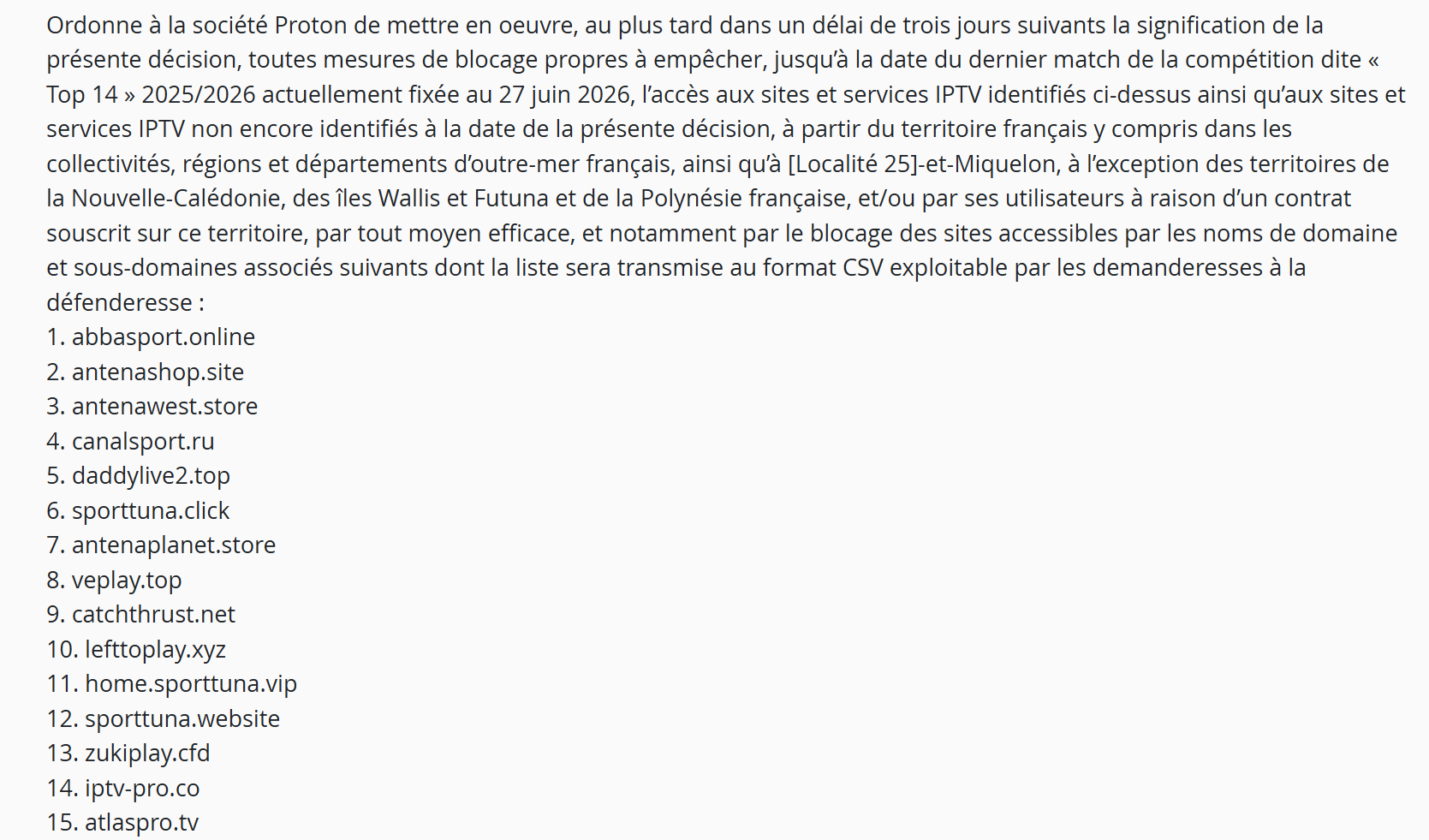 The Paris Judicial Court ultimately granted both orders, which is in line with previous blocking injunctions. In the Rugby case, one domain was excluded from the blocklist due to an oversight; the court noted that the URL tested during the investigation didn’t match the domain name Canal+ actually requested to be blocked.
ProtonVPN Fought Back HardWhile Proton was excluded from the legal process in Spain, the Swiss company was allowed to defend itself before the Paris court. This is precisely what it did, with the VPN provider raising a wide variety of defenses. The VPN provider raised jurisdictional questions and also requested to see evidence that Canal+ owned all the rights at play. However, these concerns didn’t convince the court. The same applies to Proton’s net neutrality defense, which argued that Article 333-10 of the French sports code, which is at the basis of all blocking orders, violates EU Open Internet Regulation. This defense was too vague, the court concluded, noting that Proton cited the regulation without specifying which provisions were actually breached. “Under these circumstances, the argument is unfounded. There is no basis for granting Proton’s subsidiary claim of non-compliance with European law,” the court concluded. Additionally, Proton argued that forcing a Swiss company to block content for French users restricts cross-border trade in services under the WTO’s General Agreement on Trade in Services. The court dismissed this argument, as the proposed blocking measures are limited in scope and duration, which should be allowed under the WTO agreement. Overblocking Concerns DismissedProton’s defense didn’t stop there; the company also argued that the blocking measures are technically unrealizable, costly, and unnecessarily complex. Crucially, the VPN provider argued that a block cannot be technically restricted to France. Therefore, forcing the company to block these domains in France would effectively force an international, global blockade, which is highly disproportionate to the localized rights Canal+ holds. The Paris Court was not swayed by these technical and cost-related concerns, including the fears of a global blockade. “It must be noted that no quantifiable and verifiable technical evidence corroborates the technical difficulties of implementation cited by the defense,” the court concluded. The Battle ContinuesWhile ProtonVPN was allowed to defend itself, unlike in Spain, the end result is similar. The VPN provider has to block access to the 31 domain names. That said, the court didn’t grant Canal+ everything it asked for. The broadcaster wanted ProtonVPN to publish the ruling on its website for three months, but the court concluded that this would unfairly put the VPN provider in a bad light, disproportionately associating it with the pirate sites. Canal+’s €30,000 cost claim didn’t survive either. Both orders are dynamic in nature, meaning that rightsholders can report new pirate domains or mirror sites directly to ARCOM, the French media regulator. After ARCOM verifies these new domains, ProtonVPN has to add them to their blocklist. The legal battle over VPN blocking is far from over yet. Proton previously said it would take VPN blocking to Europe’s highest court. Meanwhile, however, French rightsholders show no sign of slowing down. These two Proton orders came alongside a parallel Google DNS blocking order for the same Premier League domains, as well a massive ISP blocking order covering 150+ IPTV domains. At this point, the question isn’t whether French courts will keep ordering VPN blocks. They will. The question is whether Europe’s highest court will eventually set any limits or not. Copies of the court orders (in French) are linked below, alongside all targeted domain names. Premier League Case (16 Domains): – abbasport.online Top 14 Rugby Case (15 Domains): – abbasport.online (Additionally, here is the simultaneous Google DNS order that targets the same 16 Premier League domains, and the massive ISP order targets roughly 150+ domains tied to seven major IPTV operations). From: TF, for the latest news on copyright battles, piracy and more. | ||||||||||||||||||
| Friday, February 20th, 2026 | |||||||||||||||||||
| LJ.Rossia.org makes no claim to the content supplied through this journal account. Articles are retrieved via a public feed supplied by the site for this purpose. | |||||||||||||||||||
| 12:28 pm | Ukraine Paves the Way for Pirate Site Blocking, Despite Ongoing War
For many years, Ukraine was a regular entry on this list, seen as a safe haven for pirate sites by rightsholders. The IIPA, for one, called for sanctions and the suspension of trade benefits, while the MPAA and RIAA routinely flagged Ukraine-hosted sites in their annual filings. In previous years, Ukraine has made progress on the anti-piracy front, but, since Russia’s full-scale invasion in February 2022, the USTR has suspended its annual review of Ukraine. The country had other, more existential priorities, after all. However, that hasn’t stopped Ukraine from taking steps forward. In a 25-page submission ahead of the 2026 Special 301 Report, the Ukrainian government details a broad range of IP reforms it has pursued despite the ongoing war. Paving the Way for Site BlockingAmong the most notable items in Ukraine’s submission is a set of proposed copyright amendments that would implement Article 8(3) of the EU’s Copyright Directive (2001/29/EC). The provision allows rightsholders to seek injunctions against intermediaries whose services are used by third parties to infringe copyright. This essentially is the framework for Europe’s ISP site-blocking efforts. While Ukraine is not part of the European Union, it informed the U.S. that it will use this EU framework for the planned amendments, which are “intended to strengthen anti-piracy mechanisms, enhance the effectiveness of judicial enforcement, and ensure the prompt cessation of copyright and related rights infringements on the Internet.” Notably, Ukraine’s submission doesn’t explicitly mention ISP blocking, but cites website owners and/or hosting service providers instead. 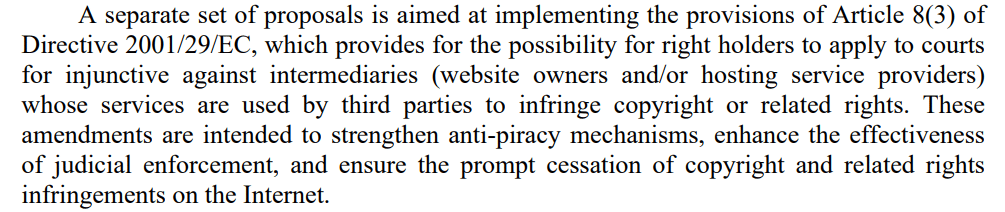 The proposals are part of a broader package of copyright amendments, which bring Ukraine’s policies in line with EU directives. Other changes address additional compensation for authors and performers, and an extension of the term of protection for performances and phonograms to 70 years. A Decade of Broken Promises?Ukraine has proposed site blocking legislation before. In October 2015, the Cabinet of Ministers approved a draft law that explicitly included provisions for “restriction of access” to infringing content, along with heavy fines for non-compliant services. At the time, officials said that the bill was designed to avoid U.S. economic sanctions and bring Ukraine’s legislation “into line with EU countries.” That law never made it through parliament. However, the current proposals arrive in a different context. Ukraine is now an EU candidate country, actively preparing to bring their legislation in line with the EU. Meanwhile, the U.S. interests are also kept in mind. The submission notes that a representative of the American Chamber of Commerce in Ukraine is involved in the process too. WIPO ALERT and the Ad-Revenue ApproachWhile ISP blocking is no reality yet, Ukraine already operates an active anti-piracy mechanism by taking part in WIPO ALERT, a program that targets the advertising revenue of pirate sites. In 2025, UANIPIO received 17 applications from rightsholders and included 15 websites in the national advertising blocklist, which is shared with the WIPO database. Ukraine’s Clear Sky initiative, run by a coalition of local media companies, has been a driving force behind these efforts. The group has also pushed for the blocking of hundreds of pirate and pro-Russian streaming sites under Ukraine’s Media Law, which prohibits the distribution of “aggressor state” media services. According to recent reports, more than 570 websites have been blocked by Ukrainian ISPs under this framework. That mechanism is rooted in national security and media regulation, not copyright law. The proposed EU Directive-based amendments would create a separate, copyright-specific site-blocking tool. The American IronyUkraine and other countries are gladly reporting their pirate site blocking progress to the USTR, signaling the progress that they make when it comes to copyright protections. Interestingly, however, the United States itself still lacks a pirate site blocking regime. Over the past year, several site-blocking bills have been proposed by U.S. lawmakers, Rep. Zoe Lofgren’s FADPA bill that was first announced in January 2025. However, these have yet to move forward. We expect that the American proposals will move forward this year, as lawmakers previously indicated that they would like to see site-blocking legislation implemented during the current Congress session, which ends in a few months. Meanwhile, Ukraine will continue to fight battles on multiple fronts. The 25-page USTR submission addresses a wide variety of IP enforcement efforts to show that, despite facing existential threats, Ukraine continues to pay attention to its place in the international IP system. — A copy of Ukraine’s USTR submission is available here (pdf). From: TF, for the latest news on copyright battles, piracy and more. | ||||||||||||||||||
| Wednesday, February 18th, 2026 | |||||||||||||||||||
| LJ.Rossia.org makes no claim to the content supplied through this journal account. Articles are retrieved via a public feed supplied by the site for this purpose. | |||||||||||||||||||
| 8:51 pm | DISH Sues ‘DMTN IPTV’ in $21m Piracy Lawsuit; Operator Posed as Breaking Bad Creator
The International Broadcaster Coalition Against Piracy (IBCAP) has been particularly active. It’s also the main driver behind a new lawsuit filed yesterday by DISH Network at a New York federal court. Dish Sues Pirate IPTV OperationThe American pay-TV provider accuses Moroccan resident Idriss Elkasmi and various unnamed defendants of running the IPTV operation, using various brands, including DMTN IPTV, Idriss Premium TV and Manx TV. These services allegedly offered access to thousands of live channels and up to 100,000 movies and series on demand.  In addition, the complaint names Ali Ezzaary and various John Does as co-defendants. They allegedly promoted and enabled access to the pirate IPTV services as secondary infringers by collecting payments, among other things. 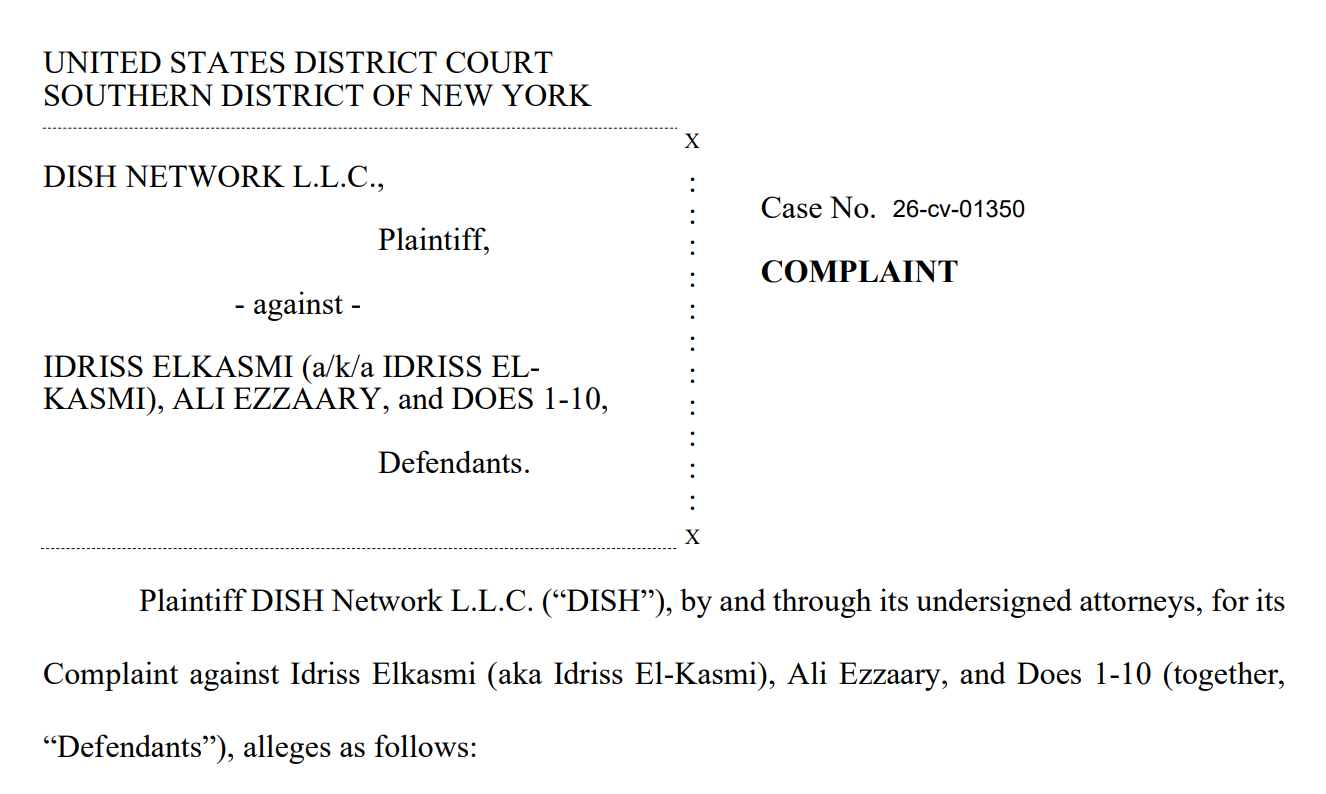 Dish has been aware of the IPTV services for years already and repeatedly issued takedown notices, hoping to stop the infringing activity. However, that didn’t yield the desired result, after which Dish decided to take legal action. “Even after receiving 68 cease-and-desist notices from DISH between 2021 and 2026, Elkasmi and the other Defendants have defiantly continued to operate the Infringing Service, willfully infringing DISH’s copyrights on a massive scale with actual knowledge that their activities are unlawful,” the complaint reads. Leather Backpack & Breaking BadAccording to the International Broadcaster Coalition Against Piracy (IBCAP), which coordinates the legal action on behalf of Dish, the operators also used various deceptive tactics to hide the nature of their operation. When an undercover Dish investigator purchased an IPTV subscription, Elkasmi’s WhatsApp account sent instructions to send the payment to another business called “Genuine Leather”. When finalized, the investigator received a receipt falsely stating the purchase was for a “Philos Brown Leather BackPack.” Soon after, the same investigator received working credentials to access the pirate IPTV service. As DISH’s investigative activity intensified ahead of filing, Elkasmi allegedly took additional steps to obscure his identity. He took down his LinkedIn profile and replaced his Facebook profile photo with an image of someone else entirely. “The new photo used by Defendant Elkasmi is in fact an image of a famous Hollywood director named Vince Gilligan, who gained notoriety as the creator of a popular television show called ‘Breaking Bad,’ as well as its spinoff, ‘Better Call Saul.’ The same image appears on Mr. Gilligan’s IMDB page,” the complaint reads. “There is no indication that Mr. Gilligan has any connection whatsoever to Defendant Elkasmi or the Infringing Service,” the complaint adds. 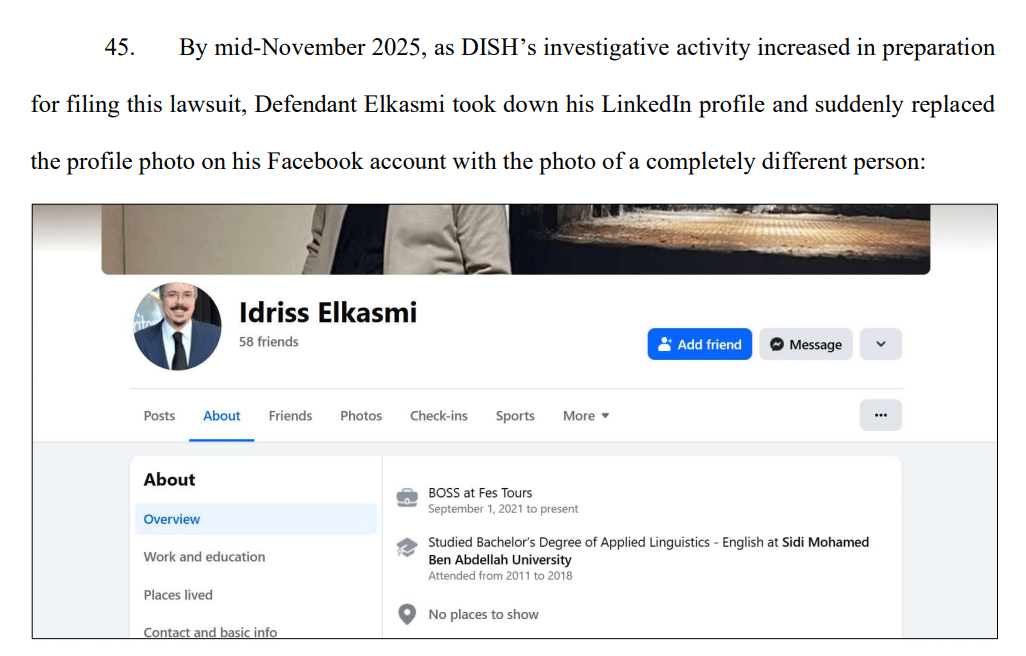 $21 Million & a Broad InjunctionThe lawsuit mentions that at least 145 registered copyrighted works were infringed, and DISH seeks the maximum of $150,000 in statutory copyright infringement damages for each, totaling over $21 million. Beyond the multi-million damages figure, DISH requests a permanent injunction and the transfer of domains including dmtn4k.com, dmtn-tv.net, and dmtn8k.com. In addition, it would like the injunction to cover third parties enabling the service. That includes hosting providers, CDNs, ISPs, and payment processors.  IBCAP executive director Chris Kuelling said the organization expects the case to follow the pattern of previous successful actions. In addition to a victory in court, he hopes that intermediaries, ranging from payment providers to CDNs, will help to keep the IPTV services offline. “In line with past lawsuit wins, we expect a similar outcome in this case, including a broad injunction that can be enforced against third parties, such as hosting providers, CDNs, ISPs, and payment processors, to stop this infringement,” Kuelling said. The involvement of third-party intermediaries could be key, as the Moroccan defendants have not been very responsive thus far. They allegedly ignored previous takedown requests from rightsholders in the past, so there’s a realistic chance that they will not appear in court either. As of the filing date, dmtn8k.com and dmtniptv.net remain active, and these services continue to operate.
A copy of the complaint filed by Dish Network at the Southern District of New York is available here (pdf). From: TF, for the latest news on copyright battles, piracy and more. | ||||||||||||||||||
| Tuesday, February 17th, 2026 | |||||||||||||||||||
| LJ.Rossia.org makes no claim to the content supplied through this journal account. Articles are retrieved via a public feed supplied by the site for this purpose. | |||||||||||||||||||
| 9:01 pm | Spanish Court Orders ProtonVPN and NordVPN to Block Pirate Football Streams
To address this problem, the Spanish football league has recently gone to court to target the VPNs themselves. Today, the Commercial Court No. 1 of Córdoba granted LaLiga and its broadcasting partner Telefónica Audiovisual Digital (TAD) an emergency injunction, targeting NordVPN and ProtonVPN. The VPN companies must block IP addresses linked to illegal streaming of LaLiga matches, making these inaccessible from Spain. The orders offer no immediate appeal option, according to El Economista, and there is one significant caveat. Neither VPN company was present in court when the ruling was handed down. VPNs Not HeardThe court orders were issued inaudita parte, which is Latin for “without hearing the other side.” Citing urgency, the Córdoba court did not give NordVPN and ProtonVPN the opportunity to contest the measures before they were granted. Without a defense, the court reportedly concluded that both NordVPN and ProtonVPN actively advertise their ability to bypass geo-restrictions, citing match schedules in their marketing materials. The VPNs are therefore seen as active participants in the piracy chain rather than passive conduits, according to local media reports. The order is dynamic, which means that LaLiga and Telefónica can update the list of IP addresses the VPNs must block at any time, when new illegal streams are identified. In practice, this would require NordVPN and ProtonVPN to continuously receive and apply new blocklists during live match windows, effectively mirroring the real-time blocking infrastructure already imposed on Spanish ISPs. In the past, Spanish blocking measures have been heavily criticized, as they also affected innocent parties that shared IP addresses with pirate services. The court acknowledged this risk. It obligated LaLiga and Telefónica to preserve sufficient digital evidence that the IPs they report are genuinely tied to illegal content, a requirement designed to reduce collateral damage. It is not immediately clear how effectively this will prevent overblocking. “We Have Not Been Formally Notified”ProtonVPN apparently learned about the ruling from news reports, the same way everyone else did. “We have become aware of recent reports concerning legal proceedings in Spain that may affect VPN services, including Proton VPN,” the company wrote on X. “At this stage, we were not aware of any proceedings that may have been underway prior to these reports coming to light and have not been formally notified of any proceedings or judgment.” The company questions whether the order has any legal validity at all. “Spanish courts, like all courts operating under the rule of law, are bound by procedural safeguards that ensure parties are given a fair opportunity to present their case before any binding judgment is rendered,” the VPN company noted. 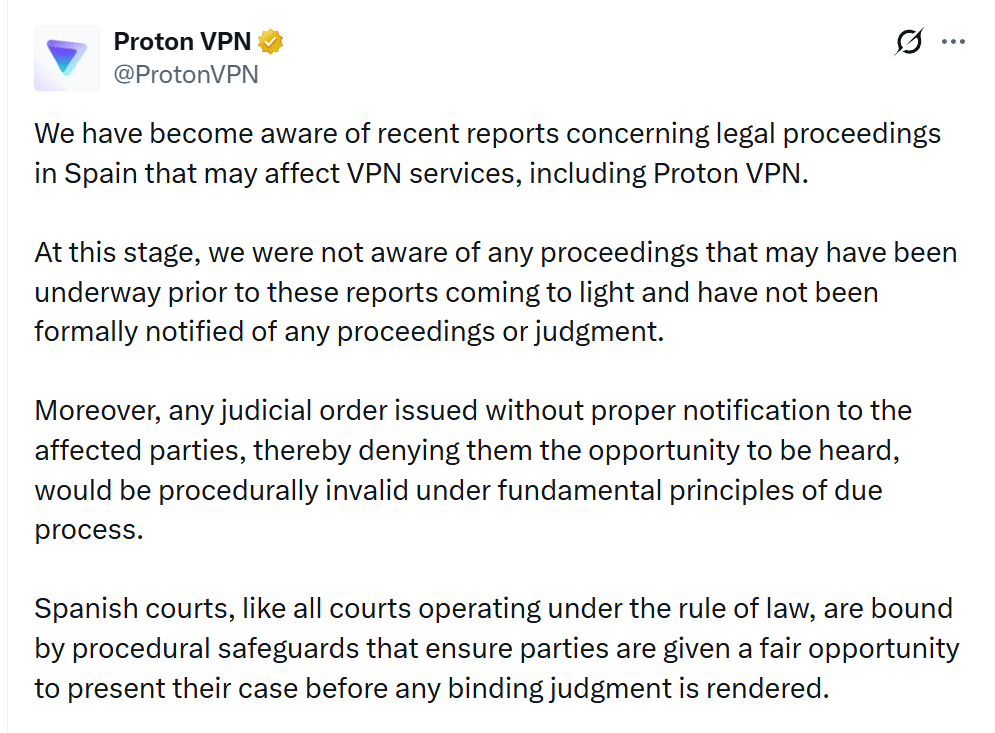 NordVPN, speaking to Spanish tech outlet Bandaancha, called the approach “unacceptable” and also confirmed that it had not been involved in any legal proceedings in Spain. Outside EU JurisdictionWhile the current orders are a first in Spain, we have seen similar blocking injunctions in France already. In May 2025, the Paris Judicial Court ordered five major VPN providers to block access to more than 200 illegal sports streaming sites, and similar orders followed. In France, the orders are still under appeal. What options are available in Spain is unclear, however. The providers can comply, but they might also explore indirect options to challenge the injunctions, including jurisdictional concerns. Enforcing the order is far from straightforward. ProtonVPN is operated by Proton AG, a Swiss company based in Geneva. NordVPN is operated by Nord Security, incorporated in Panama. Neither country is an EU member state. This jurisdiction issue raises significant questions about enforcement. While the court has ordered the rulings to be translated and sent to the companies’ headquarters, it remains unclear what leverage a Spanish commercial court has over entities in Panama or Switzerland. For now, the orders are in effect, and the companies are officially on notice. Whether any football match in Spain will actually become harder to pirate as a result remains to be seen, but LaLiga is pleased with the outcome and called it a landmark victory. — The original court filing from Juzgado Mercantil No. 1 de Córdoba was not immediately available to us. From: TF, for the latest news on copyright battles, piracy and more. | ||||||||||||||||||
| LJ.Rossia.org makes no claim to the content supplied through this journal account. Articles are retrieved via a public feed supplied by the site for this purpose. | |||||||||||||||||||
| 1:47 pm | ACE Targets Pirate Streaming Site ‘HDFull’ Through Cloudflare and Discord Subpoenas
Despite being the target of court-ordered ISP blocks in Spain going back to 2018, the site has proven remarkably resilient, hopping from domain to domain to stay accessible. The site also maintained an active Discord community, “HDFull Oficial,” with roughly 33,000 members. However, while the main site remained operating, the Discord server abruptly disappeared last week. On February 11, HDFull’s official X account posted a message informing users that there was an ‘issue’ with the original Discord community, directing them to a newly created replacement server. 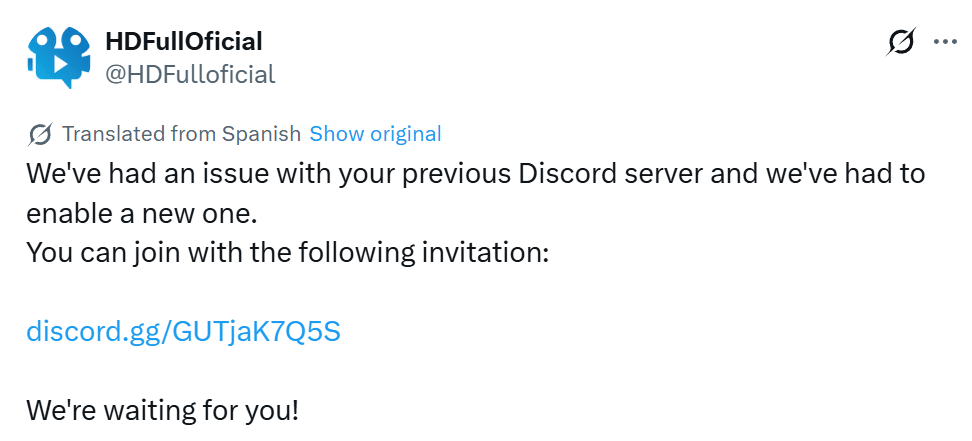 The admins and moderators of the site and Discord server didn’t go into detail on this apparent ‘issue,’ but it didn’t take long before the culprit was identified. As it turns out, anti-piracy group ACE requested Discord to take action. DMCA Subpoena Targets DiscordOn February 13, the MPA filed a request for a DMCA subpoena at the U.S. District Court for the Northern District of California, targeting Discord. On behalf of ACE members Warner Bros. and Universal, MPA asked the company to identify two key users who operated the HDFull Oficial server. The targeted accounts belong to the Discord user “hdfull”, who appears to be the server owner and primary moderator, and “xenus9999”, a moderator with “Mod” and “Uploaders” roles. The filing includes a DMCA notice sent to Discord on February 9, two days before the server went dark. This notice explicitly asks Discord to disable the HDFull server, which is precisely what happened. The notice came with a 23-page exhibit documenting the server’s activities in detail. Screenshots show the “hdfull” account sharing direct links to infringing streams of Warner Bros.’ The Batman and It Chapter Two on the HDFull website. The “xenus9999” account allegedly posted links to The Batman and Universal’s Furious 7. 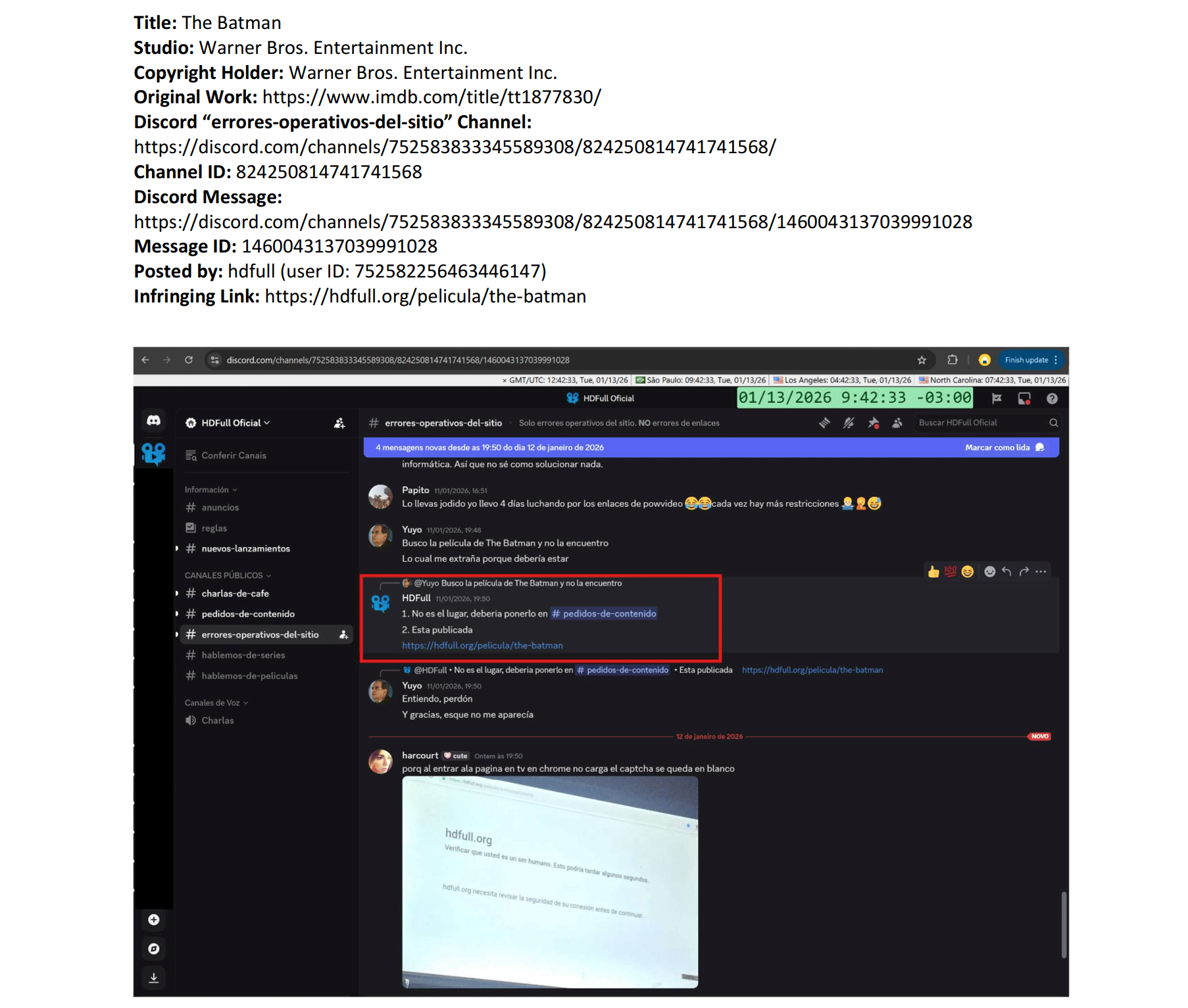 Through the DMCA subpoena, ACE asks Discord to hand over names, physical addresses, IP addresses, telephone numbers, and email addresses for the individuals behind both accounts. Cloudflare Subpoena Targets 19 DomainsThe Discord subpoena was not the only filing submitted by MPA and ACE last Friday. They filed a separate DMCA subpoena at the Central District of California Court, targeting Cloudflare. This subpoena seeks to unmask the operators of 19 pirate streaming domains, including HDFull.org. Cloudflare is asked to identify the customers connected to the pirate site accounts, with the MPA citing various copyright-infringing links that appear on these platforms. 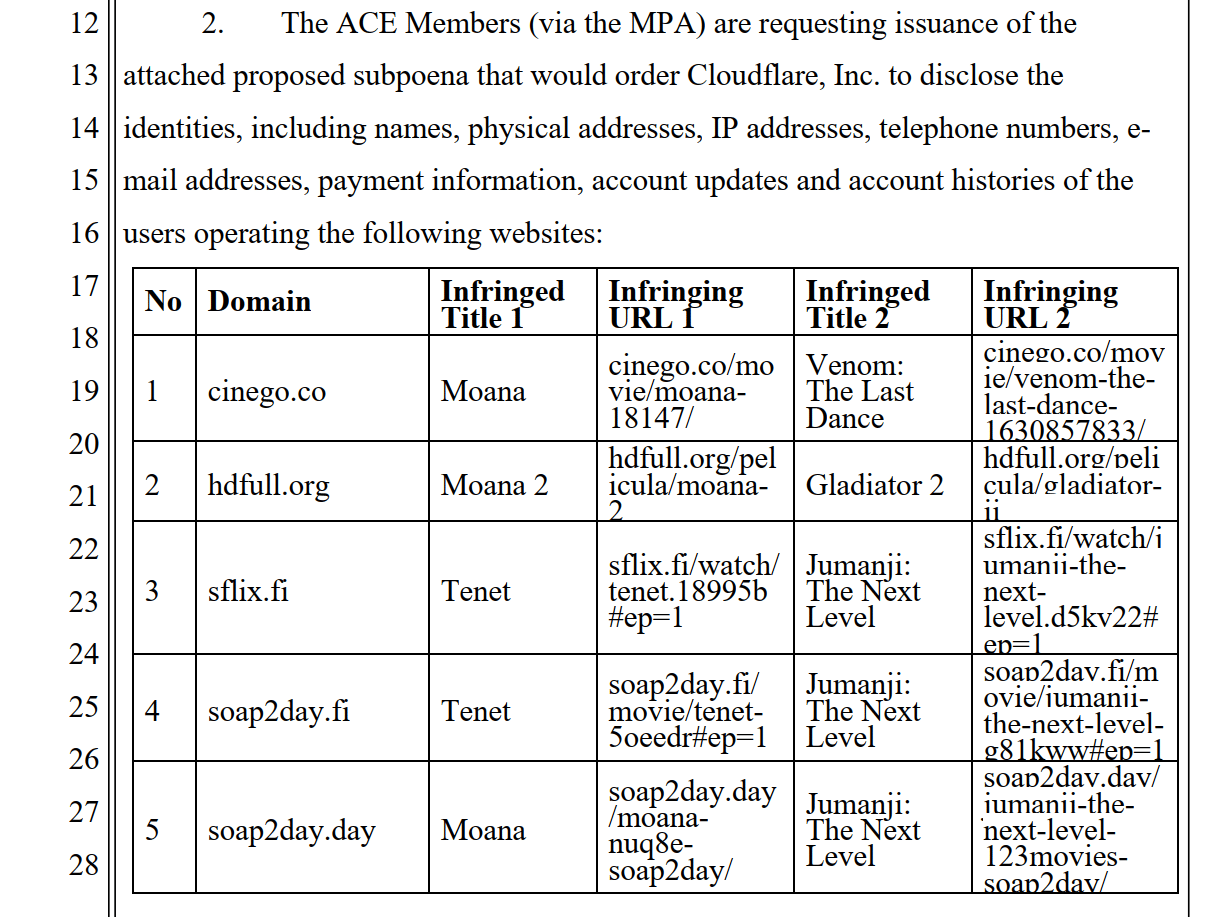 The 19 targeted domains are noticeably diverse, covering multiple languages and regions. For example, in addition to English portals, they include the German streaming veteran kinox.to, mirrors of Spanish-language site Pelisflix, Turkish streaming sites, and an Arabic anime portal, among others.
Cloudflare domains targeted: cinego.co, hdfull.org, sflix.fi, soap2day.fi, soap2day.day, kinox.to, pelisflix1.help, pelisflix1.best, pelisflix1.club, anime4up.rest, motchiill.la, motchillk.la, motchillk.ac, 456movie.net, hdfilmcehennemi.nl, vduapk.com, dizigom104.com, pstream.mov, streamingunity.tv
The pirated titles range from recent blockbusters like Moana 2, Gladiator 2, Nobody 2, and Venom: The Last Dance, to older catalog titles including Tenet, Frozen II, The Lion King, and Tangled. For all 19 domains, Cloudflare is asked to provide names, physical addresses, IP addresses, telephone numbers, email addresses, payment information, account updates, and account histories. While many pirate sites are known to share false data, ACE hopes to find sufficient information to expose some of the operations. HDFull’s Long and Resilient HistoryHDFull has been a thorn in Hollywood’s side for the better part of a decade. In 2018, following complaints from Disney, Fox, Paramount, Sony, Universal, and Warner, a court in Barcelona ordered Spanish ISPs including Telefónica, Vodafone, and Orange to block the site along with fellow pirate portal Repelis.tv. The site responded by doing what many pirate sites do: going on a domain hopping spree. The court filing’s exhibit documents this in vivid detail. Screenshots from the Discord server show the “hdfull” account periodically posting updated lists of working domains for its users. An October 2025 screenshot shows at least 13 active mirror domains, from hdfull.org and hdfull.one to hdfull.love, hdfull.monster, and hdfull.buzz. 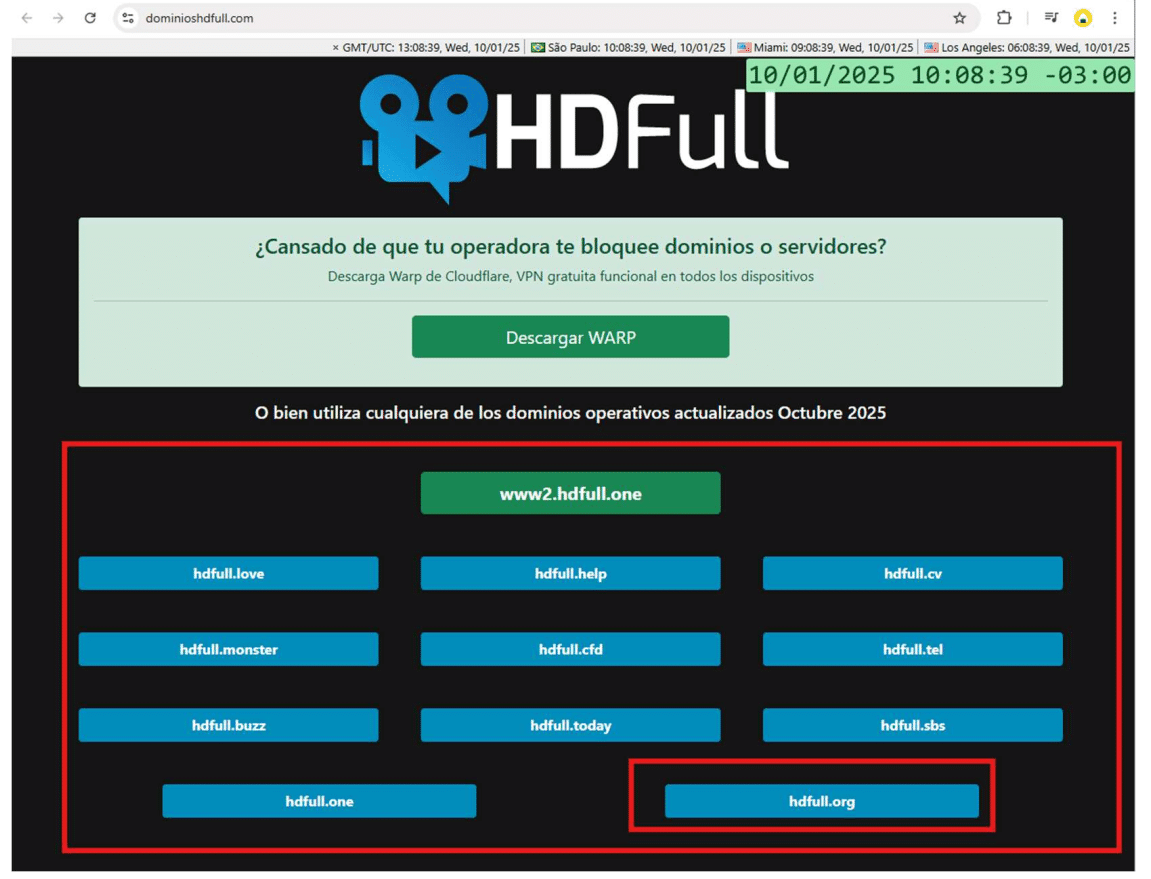 The Discord server, in other words, helped to evade the very ISP blocks that courts had ordered. Other messages also recommend Spanish users install Cloudflare’s WARP VPN to circumvent blocks imposed by their internet providers. What Happens Next?Both subpoenas have yet to be signed off on by a court clerk. Interestingly, the Discord subpoena requires a response by February 27, “2025” rather than 2026. The request for subpoena and the declaration were also signed and dated February 13, 2025, suggesting that the MPA is struggling to adapt to the new year. These errors will have to be corrected. 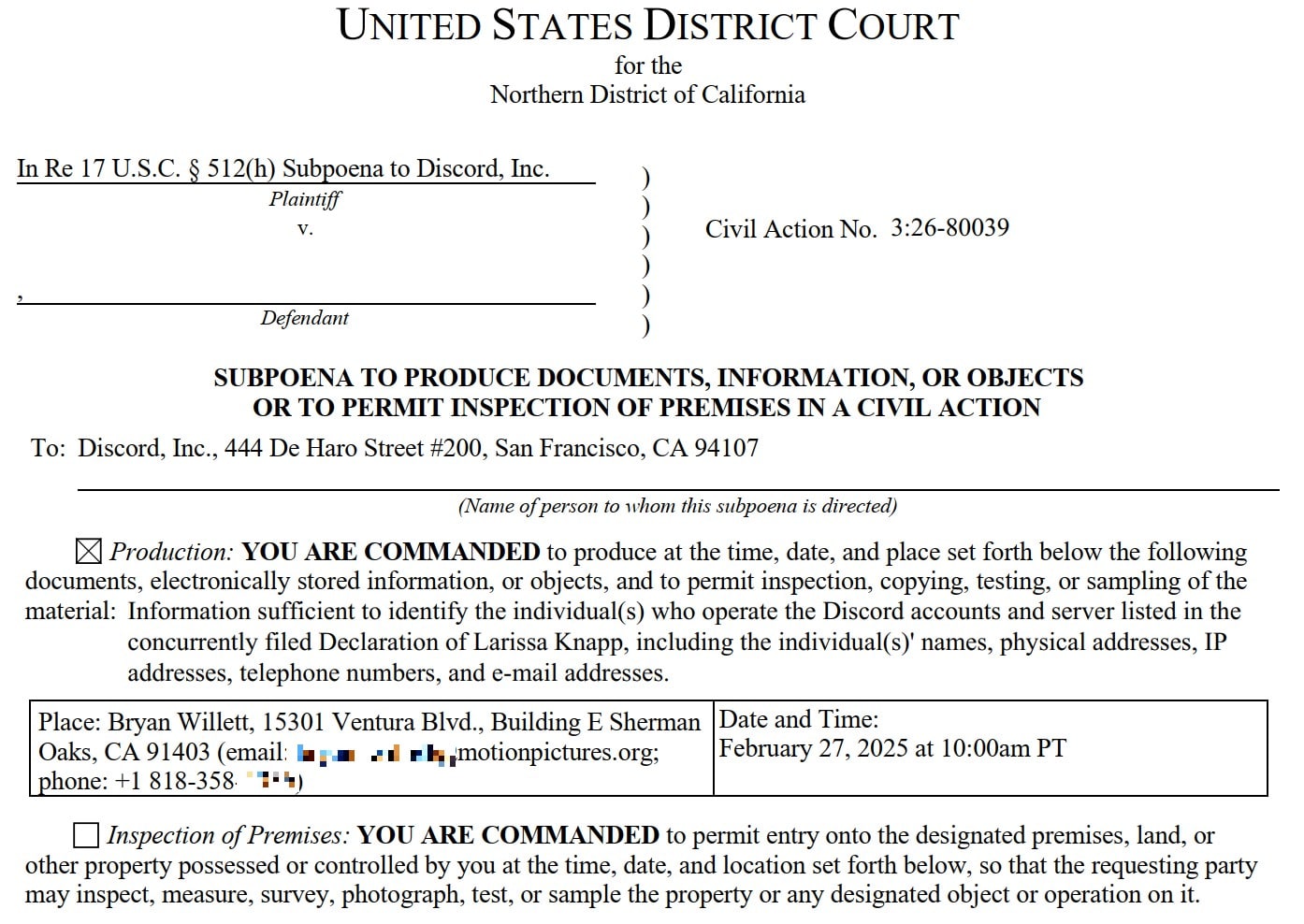 Whether Cloudflare and Discord will comply without resistance remains to be seen, but both companies are usually responsive to valid subpoenas issued by a U.S. court. ACE has used this playbook before. Late last year, the MPA filed a similar DMCA subpoena targeting Discord over pirate streaming site OnionPlay, successfully getting the server shut down while seeking to unmask its operator. For HDFull’s operators, being targeted from multiple directions at once likely puts them on high alert. For now, however, the site remains online, with over a dozen operational backup domains in place. In addition, the team has set up a new Discord server to replace the one that was taken down. — A copy of the Discord DMCA subpoena request, filed at the U.S. District Court for the Northern District of California, is available here (pdf). The Cloudflare DMCA subpoena request, filed at the Central District of California, is available here (pdf). From: TF, for the latest news on copyright battles, piracy and more. | ||||||||||||||||||
| Monday, February 16th, 2026 | |||||||||||||||||||
| LJ.Rossia.org makes no claim to the content supplied through this journal account. Articles are retrieved via a public feed supplied by the site for this purpose. | |||||||||||||||||||
| 7:57 am | Amazon Wins $6 Million in Damages Against Pirated DVD Stores, Plus Domain Takeovers
In recent years, Amazon has increased its anti-piracy efforts, both individually and as a member of the Alliance for Creativity and Entertainment (ACE). The company does all it can to protect popular titles such as Fallout, The Lord of the Rings: The Rings of Power, and The Boys, which are typically pirated shortly after their release. Amazon Sues Pirate DVD OperationThe main focus of these anti-piracy efforts is on pirate streaming and download portals, but it doesn’t end there. In 2023, Amazon sued several websites that sold pirated DVDs disguised as official releases. While pirated discs are no longer as popular as they were 20 years ago, they remain a problem, especially when illicit copies are sold as the real deal. The piracy operation consisted of at least eight websites, including dvdshelf.com.au, dvds.trade, dvd-wholesale.com, and dvdwholesale.co.uk. These sites were all linked to the same group of defendants: DVD Trade Int. Ltd, Media Wholesale UK, and an individual named Yangchun Zhang, who reportedly resides in China.  Since Amazon has never released some of these Prime Video series on DVD, there was no doubt the discs were created from illicit sources. Amazon’s investigators conducted more than twenty test purchases, and the Motion Picture Association confirmed that every single sample was pirated. Defendants Don’t Appear in CourtThe defendants were served with the complaint in April 2024 but never appeared in court. According to Amazon’s attorneys, however, the defendants shut some domains down, trading them in for new ones, suggesting that they were aware of the legal pressure. When Amazon eventually filed its motion for default judgment in March 2025, at least two of the piracy websites were still active. That still holds true at the time of writing, as dvd-wholesale.com and dvdshelf.com.au remain online. Amazon argued that the defendants were willingly ignoring the lawsuit and simply refused to show up in court. The company requested millions of dollars in damages as well as domain transfers to shut the sites down. After reviewing all the evidence, the court agreed. $6 Million in DamagesThis week, Judge Fernando Aenlle-Rocha of the Central District of California granted Amazon’s motion for default judgment in full, awarding a total of $6,075,000 in statutory damages for copyright and trademark infringement. Amazon Content Services was awarded $3,075,000 for copyright infringement covering 78 copyrighted episodes across seven television series, including The Rings of Power, The Boys, Clarkson’s Farm, and The Legend of Vox Machina. The court awarded $75,000 per infringed work for titles Amazon exclusively owns, and proportionally lower amounts for co-owned titles. This is in line with what Amazon proposed itself. 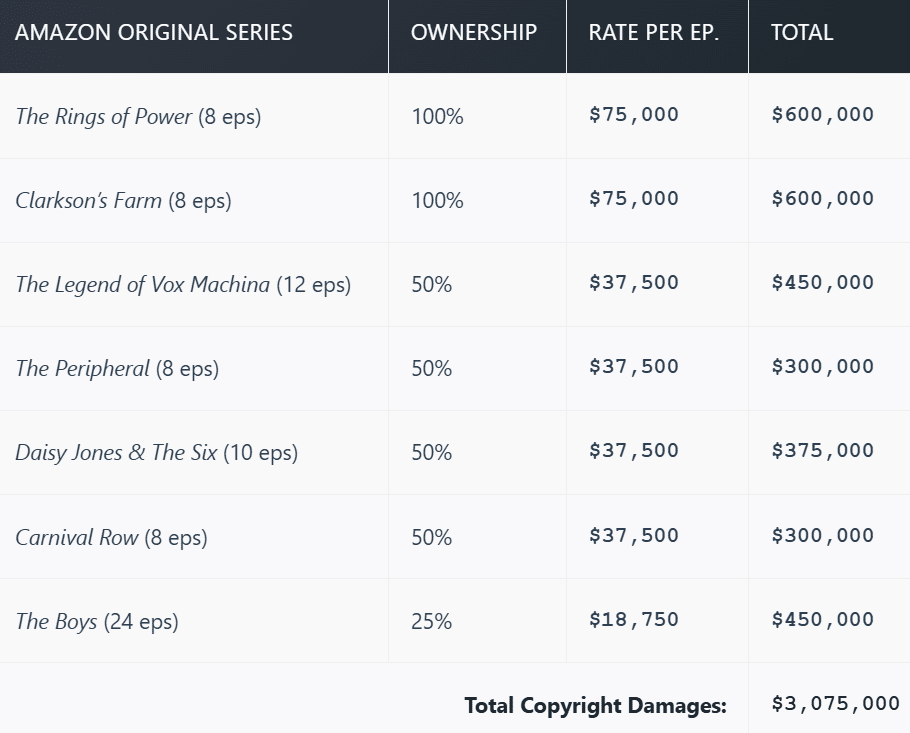 The court also awarded Amazon Technologies an additional $3,000,000 for willful trademark infringement, at $1 million per infringed mark for three of its registered trademarks. This is also in line with what Amazon proposed. 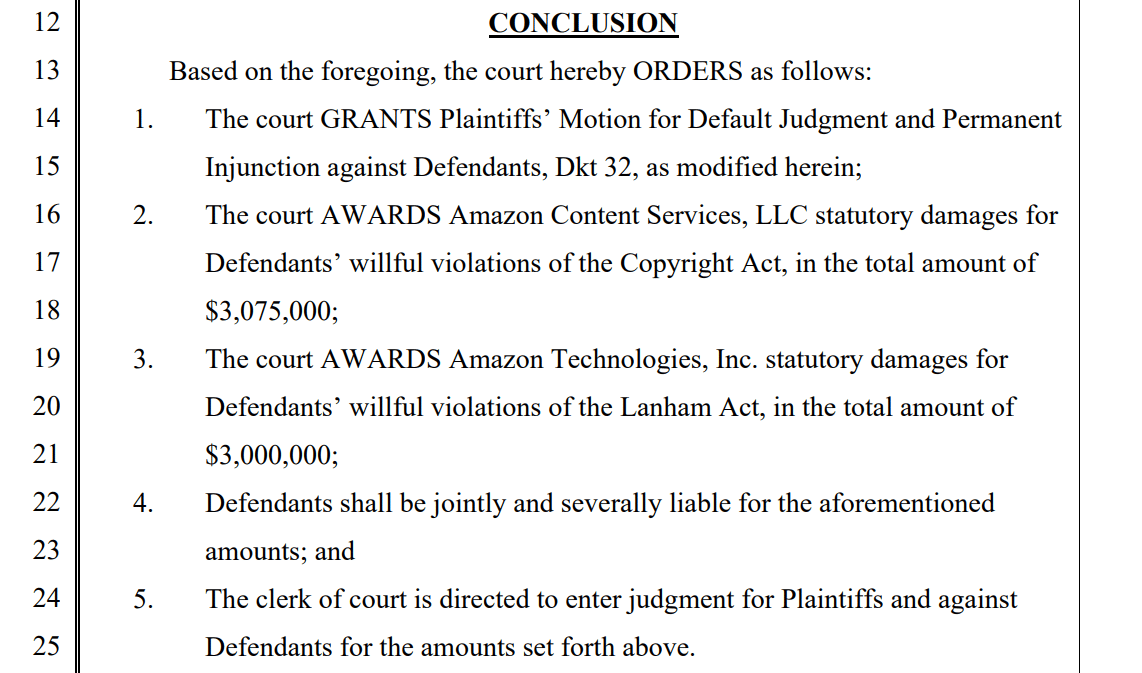 All three defendants, DVD Trade, Media Wholesale UK, and Zhang, are jointly and severally liable for the full damages amount. However, enforcing this type of order against evasive foreign defendants might prove difficult. Therefore, Amazon also requested an injunction targeting the hosting companies and domain names. Broad Injunction and Domain TransfersIn the order, Judge Fernando Aenlle-Rocha agrees a permanent injunction that extends well beyond the named defendants is indeed warranted. Specifically, the order prohibits defendants from reproducing, distributing, advertising, or selling any copies of Amazon’s copyrighted works, and also targets the infrastructure behind the piracy operation. The court directed domain registrars GoDaddy and Drop.com.au to transfer ownership of all eight piracy domains to Amazon. Meanwhile, top-level domain registries, including Verisign, auDA, Elite Registry Limited, and Nominet UK, are also ordered to assist with the transfers. 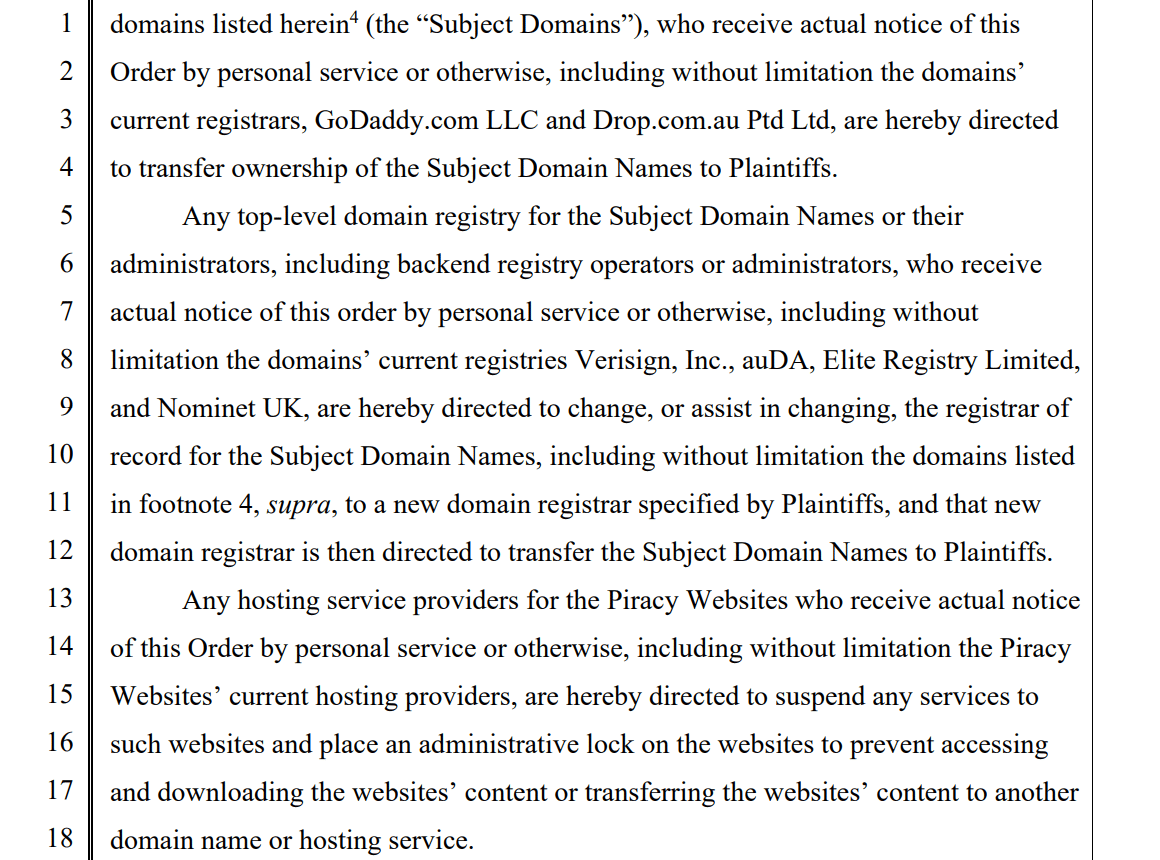 Finally, hosting providers that receive notice of the order must suspend services to the piracy websites and place administrative locks on them to prevent the sites from simply moving elsewhere. To be Continued?Importantly, the court also left open the option to extend the injunction to additional domains and websites in the future, if Amazon can demonstrate they are operated by the same defendants and infringe its copyrights or trademarks. This extension might be much-needed, as the defendants have shown no signs of engaging with the legal process, and it remains to be seen whether a single penny in damages will ever be collected. Ultimately, the broad injunction is the real prize, however, as this should make it significantly harder for them to continue operating their piracy network, at least under these domain names. — A copy of the court’s order granting default judgment and permanent injunction, filed at the U.S. District Court for the Central District of California, is available here (pdf). From: TF, for the latest news on copyright battles, piracy and more. | ||||||||||||||||||
| Saturday, February 14th, 2026 | |||||||||||||||||||
| LJ.Rossia.org makes no claim to the content supplied through this journal account. Articles are retrieved via a public feed supplied by the site for this purpose. | |||||||||||||||||||
| 7:09 am | South Korea Seeks Multilingual Talent to Hunt Down K-Content Piracy
While several large piracy platforms such as Noonoo and TVWIKI have been shut down, new threats continue to emerge. To deal with this problem, Korean rightsholders use advanced OSINT tools to track down offenders and hold them responsible. In addition, dedicated anti-piracy groups deployed advanced AI monitoring systems. While anti-piracy efforts increasingly turn into an AI-assisted arms race, human involvement remains valuable too. In fact, the Korea Copyright Protection Agency (KCOPA) is actively recruiting more people to help monitor foreign language pirate sites. In the current application round, KCOPA is hoping to add 25 people. These ‘K-Copyright Monitors,’ as they are called, will be paired with the agency’s automated detection systems to track down pirated Korean content overseas. The initiative, now in its fourth year, helps to flag foreign pirate sites early. 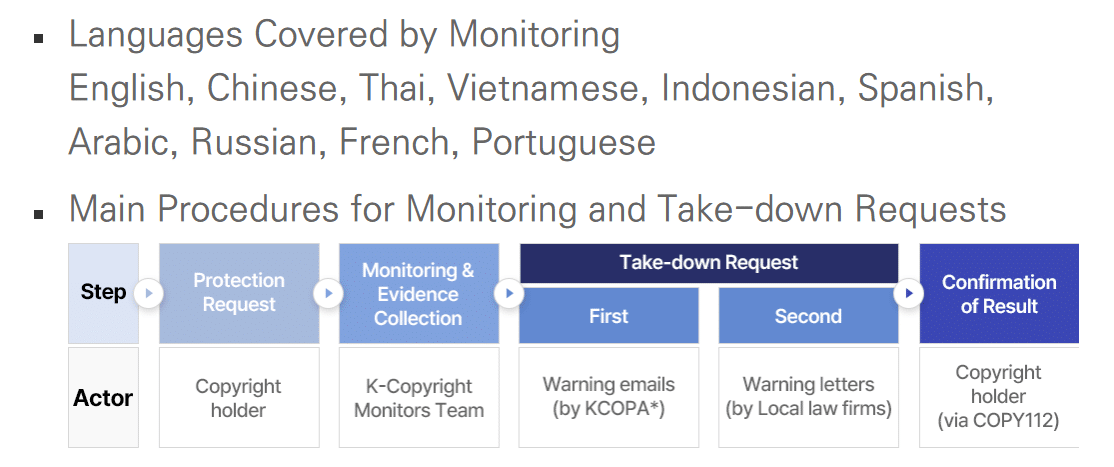 The full recruitment notice, published by the Korea Software Copyright Association on behalf of the KCOPA, notes that ten languages are targeted: Chinese, English, Thai, Vietnamese, Spanish, Indonesian, Arabic, Russian, Portuguese, and French. Malware, Viruses & Minimum WageWhile foreign applicants are welcome, the job application is in Korean and targeted locally, which isn’t likely to invite many outsiders. The job starts next month and runs until November 27, and applicants are required to work from a registered home address. Prospective applicants must currently be unemployed and should not expect a high salary. The hourly rate is 10,320 won, or roughly $7.50, which is South Korea’s minimum wage.  The day-to-day work involves scanning overseas websites for pirated copies of Korean films, dramas, web novels, webtoons, music, and published works, then collecting infringement data and evidence. The KCOPA shares this data with rights holders and also uses it for enforcement purposes. One detail that stands out is that applicants must be prepared to deal with “viruses and ransomware” that can occasionally be found on pirate sites. For this reason, they may want to set up a virtual machine for the piracy monitoring job. Why Humans Still MatterIn response to questions from TorrentFreak, KCOPA explained why it continues to rely on human monitors alongside its automated systems. The agency said that while AI-based detection is effective at identifying large volumes of infringing content, the techniques used to distribute pirated material are also evolving rapidly. Human monitors can identify new patterns of infringement that automated systems struggle to detect, and can make more flexible judgments about whether content actually constitutes a violation, the agency said. The experience of human monitors with analyzing pirate sites across different language regions helps to improve the automated system’s accuracy over time. “For repetitive and standardized types of infringement, we actively utilize automated systems,” KCOPA senior official Park So-yeon told TorrentFreak, translated from Korean. “At the same time, we use human monitoring to compensate for the limitations of automated systems and to verify the accuracy of detection results.” 240,000 Links DeletedThe ten languages are picked based on survey data, identifying the foreign languages where Korean Wave content is most prevalent. According to KCOPA, the K-Copyright Monitors have been quite effective over the years. Since the program started, link deletions have increased every year. In 2025 alone, approximately 240,000 pirated links were removed, KCOPA notes in a press release this week. “To recognize the fair value of K-content in the global market, an immediate and systematic response to illegal distribution is essential,” KCOPA Director Park Jung-ryeol said, translated from Korean. “Through the operation of K-Copyright Monitors, we will closely analyze overseas infringement situations and respond immediately.” —- https://cm.asiae.co.kr/en/article/202602 https://www.kcopa.or.kr/eng/index.do https://www.kcopa.or.kr/eng/lay1/S120T43 https://m.blog.naver.com/kcopastory/2218 https://m.blog.naver.com/PostView.naver?b https://www.asiae.co.kr/article/life-gen https://www.spc.or.kr/ko/notification/no From: TF, for the latest news on copyright battles, piracy and more. | ||||||||||||||||||
| Friday, February 13th, 2026 | |||||||||||||||||||
| LJ.Rossia.org makes no claim to the content supplied through this journal account. Articles are retrieved via a public feed supplied by the site for this purpose. | |||||||||||||||||||
| 1:25 am | Argentina Blocks Pirate Streaming Services Magis TV and Xuper TV, VPN Usage Skyrockets
Judge Esteban Rossignoli required local ISPs to block 69 domains linked to the pirate IPTV service Magis TV. More controversially, the judge also ordered Google to remotely uninstall sideloaded Magis TV apps from all Android devices with Argentine IP addresses. “What was achieved is an unprecedented court order, which is in the process of being analyzed by Google – we understand that they cannot deny it – which is to uninstall, through the Android operating system update, the application on all devices that have an IP address in Argentina,” prosecutor Alejandro Musso said at the time. While the Magis TV crackdown has some effect, the brand wasn’t gone. New IPTV services continued to pop up, including an apparent rebrand: XuperTV. This week, these two services are both targeted in a new high-profile court order. 70+ Domains Blocked, Apps Go DarkOn February 10 and 11, thousands of Argentine users discovered that Magis TV and its successor Xuper TV had stopped working entirely. Channel lists wouldn’t load, connections timed out, and in some cases, the apps completely vanished from smart TVs and mobile devices. This is the result of Judge Rossignoli’s new court order, which covers more than 70 domains. The order requires ISPs to block domains and IP-addresses and, similar to the earlier version, orders Google to disable the applications on Android devices connecting from Argentina. Users attempting to open the apps are greeted with a blunt message:
The court order is part of a broader enforcement action, led by Argentina’s Specialized Unit on Cybercrime (UFEIC) under prosecutor Musso. According to La Nación and Cadena 3, the investigation included raids and the seizure of hundreds of TV Boxes. Those identified as responsible face up to six years in prison. Before the full block hit, the platforms reportedly tried to limit their exposure by deleting all Argentine channels. However, that clearly didn’t work. Operación 404The Argentinian enforcement is part of Operación 404, an international anti-piracy operation led by Brazil’s Ministry of Justice that has previously coordinated raids and domain seizures across Latin America.  Coinciding with the Argentinian actions, Chile’s Department of Telecommunications ordered ISPs to block all sites using the brands Magis Tv, Flujo TV, Xuper TV or their variants. That includes “any domain, subdomain, IP address, link, redirect or mirror” that reproduces the content. The dynamic blocking order gives ISPs five days to comply. The Chilean action was triggered by a complaint from Warner Bros. Discovery. ISPs must display a notice stating the sites were blocked for intellectual property infringement. The Milei/Trump IP AgreementThe timing of the anti-piracy actions might not be coincidental. On February 5, Argentina and the United States signed a trade and investment agreement that includes explicit commitments on intellectual property enforcement. Argentina committed to “establish a robust standard of protection for intellectual property” and to create “effective systems for enforcement in civil, criminal, and border areas” that “combat and deter the infringement or misappropriation of intellectual property, including in the digital environment.” The United States reportedly lodged more than 100 copyright-related demands in the negotiations. Article 1.10 specifically commits Argentina to “investigate and bring criminal proceedings against operators of Argentina-based websites that engage in commercial-scale copyright piracy.” That language goes well beyond Magis TV. It also targets sites like Fútbol Libre and Pelota Libre, which stream Argentine football without authorization. VPN Interest SpikesIn addition to blocking pirate sites, the actions had an immediate side effect: a surge in VPN usage. On February 10, Proton VPN’s account on X posted a graph showing a sharp spike in Argentine connections, asking: “Is everything okay in Argentina?” 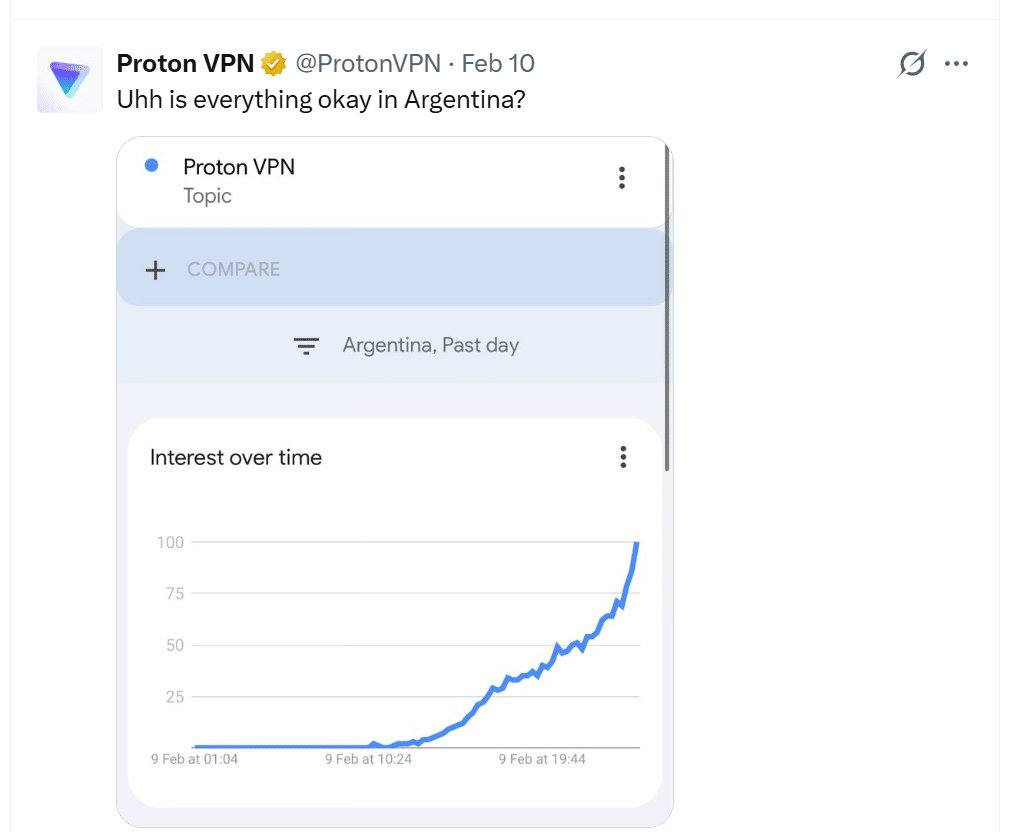 Apparently, pirates quickly began sharing workarounds on social media. A common one involves installing ProtonVPN, connecting to a Mexican server, then reopening Magis TV or Xuper TV. In some cases, the apps work again via the VPN. Others are changing DNS settings on their smart TVs manually, though this is reportedly becoming less effective. According to FayerWayer, rights protection systems are now using AI to identify pirate IPTV traffic in real time, leaving users who reconnect with constant interruptions and degraded quality. What’s NextThe search for workarounds in response to blocking efforts is not new. We have seen this countless times already, dating back more than a decade ago. It doesn’t only apply to users either; the operators of pirate services and apps also have to get creative. Whether Google actually complied with the removal order and, if so, what actions it took precisely remains an open question. Magis TV apps were distributed mostly as sideloaded APK files from third-party websites. For Google to remotely disable such an app, it would need to intervene on the users’ devices directly. App developers could likely find ways to work around it by rebranding again, simply continuing the game of whack-a-mole. But that’s nothing new, of course. From: TF, for the latest news on copyright battles, piracy and more. | ||||||||||||||||||
| Wednesday, February 11th, 2026 | |||||||||||||||||||
| LJ.Rossia.org makes no claim to the content supplied through this journal account. Articles are retrieved via a public feed supplied by the site for this purpose. | |||||||||||||||||||
| 9:44 am | Anna’s Archive Quietly ‘Releases’ Millions of Spotify Tracks, Despite Legal Pushback
However, last December, the site announced that it had also backed up Spotify, which came as a shock to the music industry. Anna’s Archive initially released only Spotify metadata, and no actual music, but that put the music industry on high alert. Together with the likes of Universal, Warner, and Sony, Spotify filed a lawsuit days later, hoping to shut the site down. Through a preliminary injunction targeting domain registrars and registries, the shadow library lost several domain names. However, not all were taken down, and with the addition of a new Greenland-based backup, the site apparently pushed through with the feared Spotify data release. Millions of Music FilesWhile there hasn’t been an official announcement or a formal listing on the torrent page, several people have spotted dozens of new Spotify download links in the torrents.json file hosted on the site. These files were added on February 8, presumably with a single seeder. At the time of writing, we count 47 new music torrents, plus a new metadata torrent. These releases all contain 60,000 files, except for a smaller batch, bringing the total to roughly 2.8 million files. That’s roughly 6 terabytes of music. In addition, there’s a massive 29 GB ‘seekable’ metadata file, which likely acts as the index for the 2.8 million tracks that use abstract Spotify track IDs as names. 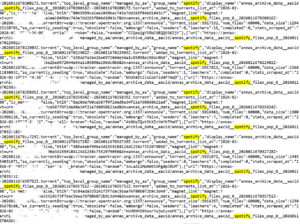 On Reddit, the mysterious releases are actively discussed in various threads. They do indeed contain music files, ranging from a few hundred kilobytes to several megabytes. The filenames reference what appear to be Spotify track IDs but contain no artist names or song titles. Instead, they likely match Spotify’s internal cache format. The music files themselves come with embedded media information and metadata, including song, album, artist, and publisher, among others. If applicable, the cover art is also included. 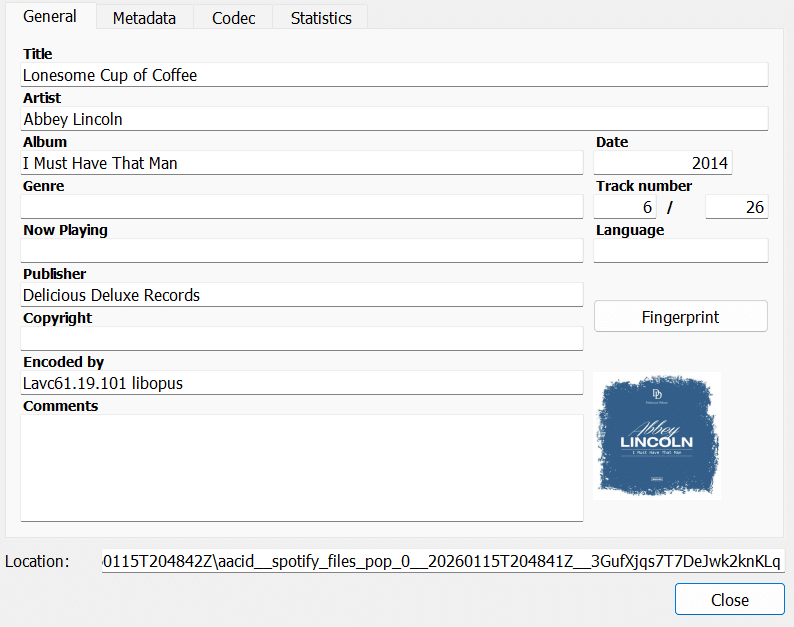 The torrents are labeled “pop_0,” which, based on Anna’s Archive’s earlier blog post, refers to the popularity rank. The site previously said it planned a staggered release, based on how popular releases are, but additional batches could follow. Defying the InjunctionThe release comes despite a preliminary injunction signed by Judge Jed Rakoff on January 16. That order explicitly prohibited Anna’s Archive from hosting, linking to, or distributing the copyrighted works, and also targeted third-party intermediaries, including domain registries, hosting companies, and Cloudflare. Anna’s Archive previously appeared to comply, at least in part. The site’s dedicated Spotify download section was removed and marked as “unavailable until further notice.” However, the new torrents suggest that this was a temporary measure rather than a lasting retreat. Until now, only metadata had been released publicly, compressed into roughly 200GB. The actual music files, which the lawsuit specifically sought to prevent from being distributed, are of much bigger concern. What’s NextGiven the gravity of the situation, Spotify and the labels are not expected to sit idly by. Anna’s Archive previously said it archived roughly 86 million music files, and almost 300 terabytes in total, so there could be more to come. Whether the music companies will also monitor people who share these files for potential legal follow-ups is unknown, but they will do their best to keep the pressure on intermediaries. The music companies already have a court-ordered injunction that compels domain name registrars and registries to make the site inaccessible. However, we have observed that companies and organizations that fall outside the U.S. jurisdiction don’t automatically comply with these. At the time of writing, Anna’s Archive has not publicly commented on the new release yet. Spotify informed us that the company has no further comments at this time and referred us to the preliminary injunction it obtained in U.S. court last month. From: TF, for the latest news on copyright battles, piracy and more. | ||||||||||||||||||
| Tuesday, February 10th, 2026 | |||||||||||||||||||
| LJ.Rossia.org makes no claim to the content supplied through this journal account. Articles are retrieved via a public feed supplied by the site for this purpose. | |||||||||||||||||||
| 7:47 am | Nintendo Piracy: NXBrew and NSWPedia Targeted in European Blocking Efforts
The neighboring countries rely on court-ordered blocking decisions, with a twist; ISPs in both countries voluntarily agreed to honor orders against other providers. At the start of this year, this applied to two Nintendo-related pirate sites. Dutch Dynamic ‘NXBrew’ Blocking OrderIn the Netherlands, the Rotterdam District Court granted a blocking order requested by Dutch anti-piracy group BREIN. Last week, the court ordered local ISP Delta Fiber to block access to NXBrew.net, a popular platform that reportedly links to more than 12,000 pirated Nintendo Switch games. This is the first site blocking order against a gaming-related site in the Netherlands. The order includes a dynamic blocking provision, requiring Delta Fiber to also block future domains, subdomains, proxies, and mirrors. This means if NXBrew shifts to new domains to evade the blockades, BREIN can add them without returning to court. For now, however, only the .net domain is targeted.  Delta Fiber made an appearance in the Dutch court, but it offered no substantive defense. The court subsequently granted BREIN’s requests in full, adding NXBrew to the national blocklist. Nintendo was not directly involved in the legal proceeding; instead, its rights were represented by BREIN, which is the primary driver behind Dutch blocking requests. ISPs and Google CooperateWhile Delta Fiber was the only targeted ISP, other major Dutch Internet providers have agreed to follow suit under the site-blocking covenant that was signed in October 2021. In addition to broadening the ISP blockades, the covenant also requires BREIN to complete a step-by-step plan before taking legal action. This includes trying to contact the site operators or urging the respective hosting companies to take action. A blocking order should be used as the last resort. In addition to notifying all ISPs, BREIN says that it also sent Google a copy of the ruling requesting removal of NXBrew links from its search results. While not part of the covenant, the search engine is known to voluntarily comply with ISP blocking orders, even when the company itself is not named. That further increases the scope of the injunction. German Court Blocks NSWPediaThe Dutch order is not the only Nintendo-linked blocking action this year. On January 27, Cologne Regional Court in Germany ruled that NSWPedia, another piracy site, must be blocked by German ISPs. German ISPs also agreed to cooperate through the CUII (Clearing Body for Copyright on the Internet) framework, which coordinates blocking efforts between rightsholders and ISPs. Under this system, one court order triggers voluntary blocks across participating providers, similar to the Dutch scheme. NSWPedia was classified as a “structurally copyright-infringing website.” Through a representative random sample, the court determined that between 94.4% and 99.8% of the content was infringing.  CUII’s implementation order doesn’t mention the rightsholder and the underlying court order was not immediately available. However, we expect that Nintendo (or their affiliate) is the complainant. Transparency ConcernsWhile both systems rely on judicial oversight, transparency remains a concern for some, especially when ISPs don’t substantially push back in court proceedings. Transparency is particularly limited in Germany, where there is no official public blocklist. This lack of openness led a German developer named Lina to create CUIILliste.de, an unofficial monitoring site that has exposed several blocking errors. In the Netherlands, some ISPs offer more transparency. This includes Delta Fiber, which provides a list of all blocked domain names. The list, which includes piracy and Russian propaganda blocks, is currently a few hundred entries long and publicly accessible on the company’s website. — A copy of the CUII blocking implementation statement on NSWPedia, referencing the Cologne court order, is available here (pdf). TorrentFreak has seen a copy of the NXBrew ruling issued by the Rotterdam Court, but it has not been published publicly yet. From: TF, for the latest news on copyright battles, piracy and more. | ||||||||||||||||||
| Monday, February 9th, 2026 | |||||||||||||||||||
| LJ.Rossia.org makes no claim to the content supplied through this journal account. Articles are retrieved via a public feed supplied by the site for this purpose. | |||||||||||||||||||
| 8:28 am | DMCA Subpoenas Can’t Be Used for Foreign Piracy Lawsuits, Court Rules
The site’s popularity did not go unnoticed by manga publisher Shueisha, which took legal action at a California federal court last summer to uncover the operator’s identity. Shueisha filed a request for a DMCA subpoena, directed at Cloudflare, hoping to expose the operator. This appeared to yield results right away, as mangajikan.com and the related domain alammanga.com were voluntarily taken down soon after. The DMCA subpoena was granted last October, despite fierce objections from Mangajikan’s former operator. However, Cloudflare could not hand anything over yet, as both sides disagreed on the scope of the associated protective order. This disagreement was finally resolved this week. U.S. Enforcement OnlyAt the heart of the dispute was whether Shueisha could use the pirate site operator’s identity for copyright lawsuits in Japan or other foreign jurisdictions. The manga publisher argued it should have that flexibility, as it couldn’t know the operator’s location when requesting the subpoena. Magistrate Judge Thomas S. Hixson disagreed. In a discovery order issued this week, the court stated that the DMCA subpoena’s purpose and scope is clearly defined by the sworn declaration Shueisha made to obtain it. This legally required statement says that the subpoena “will only be used for the purpose of protecting rights under this title.” “‘[T]his title’ means title 17 of the United States Code, so only U.S.-based copyright claims are within the purpose of the subpoena,” Judge Hixson wrote, adding that “foreign litigation is outside of that scope.” 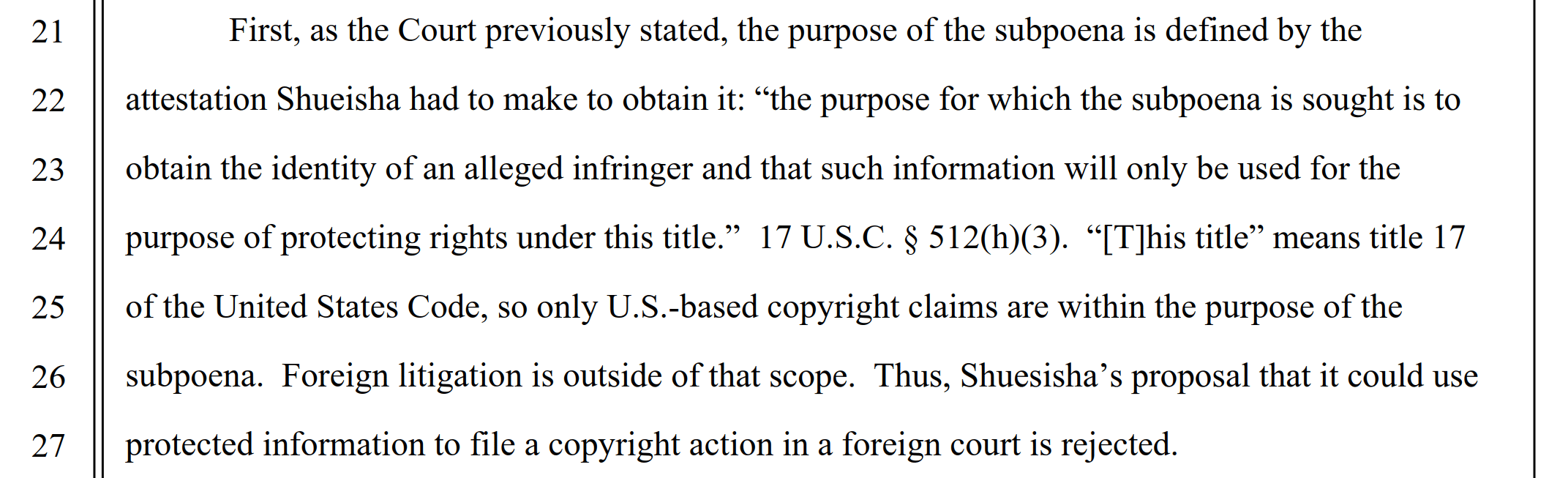 The ruling effectively means Shueisha can identify the operator to its team in Japan, as long as this is to aid U.S. copyright enforcement. However, it cannot use the data obtained through the Cloudflare subpoena to file copyright infringement actions in foreign courts. U.S. Lawsuit Can’t Be Used as BypassThe court also rejected Shueisha’s argument that filing a U.S. copyright lawsuit would effectively end the protective order’s restrictions, allowing the publisher to then use the publicly filed information however it wished, including in foreign proceedings. Judge Hixson characterized this as an impermissible bait-and-switch. “Filing a U.S.-based copyright claim does not cause the protections of the protective order to evaporate. They remain in place; otherwise, Shueisha’s attestation was false. It is not acceptable for Shueisha to make an attestation that it will use the requested information ‘only’ for one purpose and then later change its mind,” the order states. Mangajikan’s attorneys previously warned the court that Shueisha’s position would create a “roadmap” for rightsholders to circumvent DMCA limitations. They could simply obtain identity information through a DMCA subpoena, file a token U.S. lawsuit to make the info public, and then use it for foreign lawsuits. No Privacy Fortress for Pirate Site OperatorWhile the pirate site operator won on the foreign litigation issue, the court rejected most of the operator’s proposed privacy protections as excessive. Judge Hixson called the operator’s 19-page protective order proposal “excessive,” noting it would have micromanaged Shueisha’s internal operations. 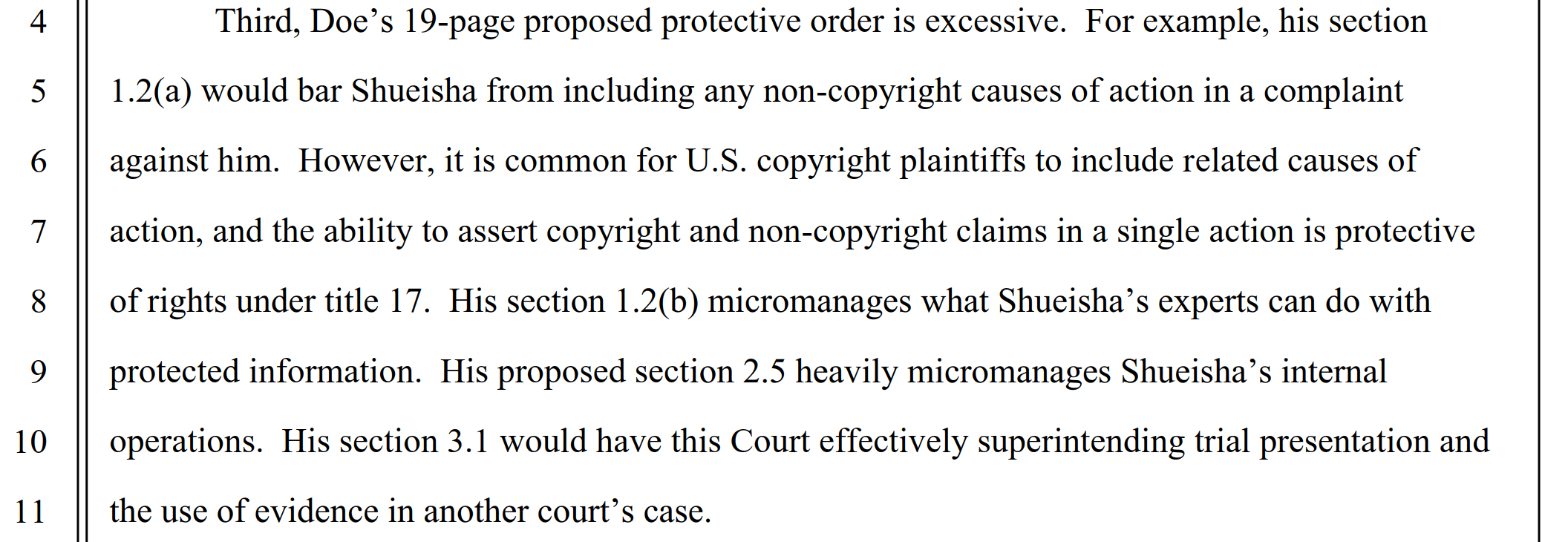 The final protective order clarifies that, while Shueisha can publicly identify the operator by name in U.S. court filings, other personal information, such as email addresses, phone numbers, and financial data, remains protected. The order allows Shueisha to share the operator’s identity with its employees in Japan, coordinate with U.S. law enforcement, and use the information for settlement negotiations or U.S.-based copyright claims. What’s NextWith the protective order now in place, Cloudflare must hand over the identity information to Shueisha’s lawyers. The publisher must then decide if it wants to use that information to file a U.S. copyright lawsuit, or pursue alternative enforcement options. 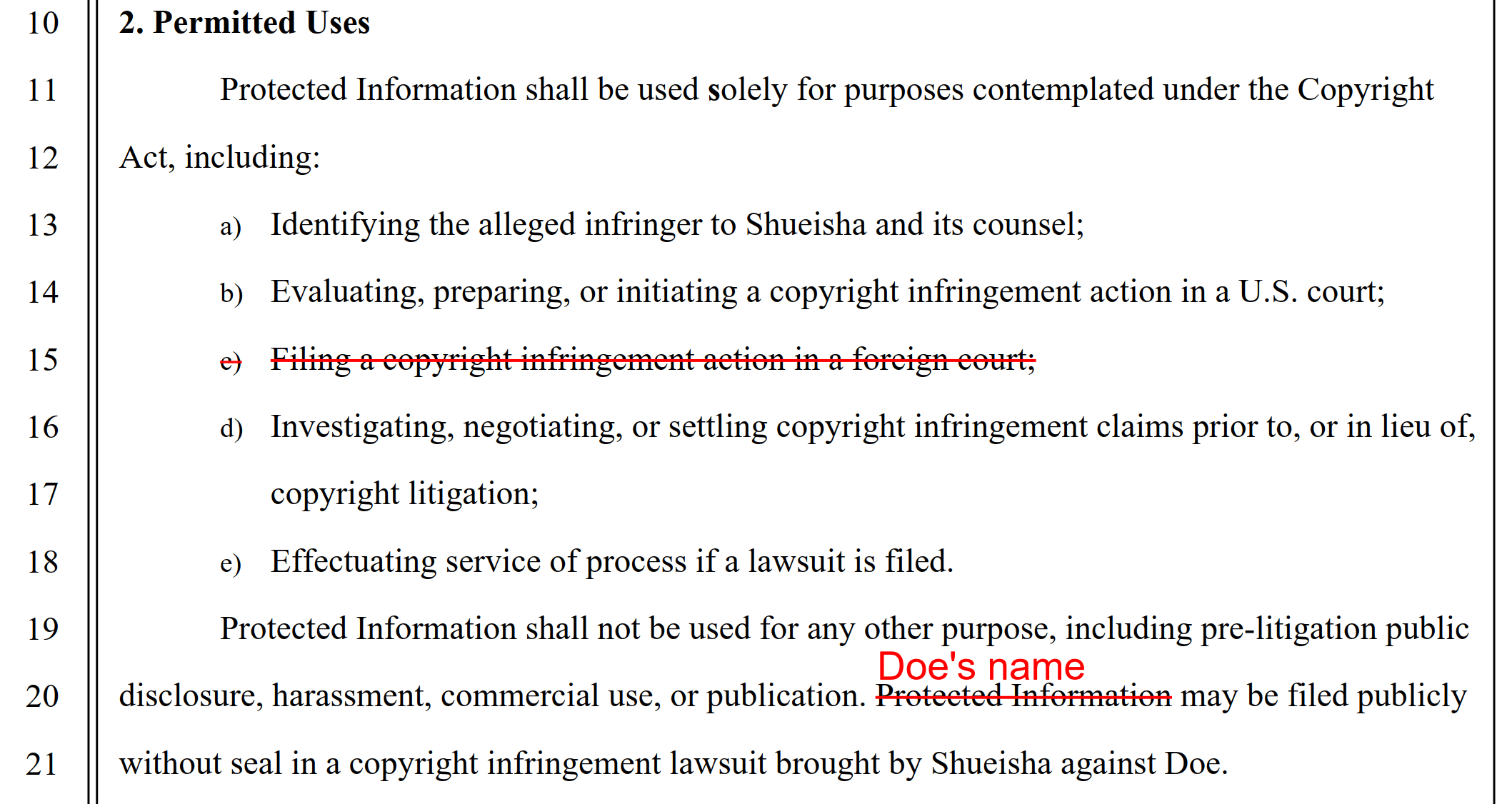 If Shueisha fails to file a U.S. action before the statute of limitations expires, the company must destroy all identity information. Needless to say, the case continues to be closely watched by other rightsholders and pirate site operators. DMCA subpoenas are a widely used intelligence gathering tool, and the present order confirms they are not without boundaries. — A copy of Magistrate Judge Hixson’s Discovery Order is available here (pdf). The final protective order as modified by the court is available here (pdf). From: TF, for the latest news on copyright battles, piracy and more. | ||||||||||||||||||
| Saturday, February 7th, 2026 | |||||||||||||||||||
| LJ.Rossia.org makes no claim to the content supplied through this journal account. Articles are retrieved via a public feed supplied by the site for this purpose. | |||||||||||||||||||
| 6:49 pm | Research: Major Pirate Site Shutdown Boosted Visits to other Pirate Sites (and Netflix)
Launched in 2010 and mainly catering to the Portuguese-speaking market, the movie portal had been pulling in a reported 60 million monthly visits. At the time, the site offered a type of convenience that most legal services couldn’t match. In addition to the free and unrestricted access to content, this also included localized features such as Portuguese subtitles or dubbing. This reign ended when police made several arrests, including the site’s presumed operators, and seized several cars, cash, and bank accounts. These actions were welcomed by Hollywood’s Motion Picture Association (MPA), which had reported the site to the U.S. Trade Representative a month earlier.  Today, more than a decade has passed since MegafilmesHD’s demise, and online piracy is arguably a much bigger problem. Popular piracy brands such as Cuevana, Redecanais, and FlujoTV are a magnet for many millions of people This doesn’t mean that the original shutdown has no effect whatsoever. At the time, large local pirate sites were a novelty in the region, and, being the largest site by far, MegafilmesHD clearly stood out above the rest. When this went offline, many people had to scramble for alternatives, legal or illegal. Going Pirate or Going Legal?Ideally, rightsholders would like to see pirates flocking to legal services when these types of shutdowns occur. That is similar to the desired response to piracy site blocking. And indeed, in some instances, this appears to be true. For example, the “Gone in 60 Seconds” study found that the shutdown of Megaupload in 2012 resulted in a 6 to 10% increase in digital movie revenues for two major Hollywood studios. However, a similar study on the demise of the German streaming portal Kino.to revealed something quite different. The “Catch Me If You Can” paper found that this shutdown had no measurable increase in legal consumption. Instead, people simply switched to new pirate sites and continued their habit. These seemingly conflicting findings come together in a new study on the MegafilmesHD shutdown. While the associated paper doesn’t have a title inspired by a Hollywood blockbuster, it might as well have been titled “The Equalizer“. “The Equalizer”: MegafilmesHD Shutdown EffectThe paper in question, published by researchers of Chapman University and Carnegie Mellon University, takes a detailed look at how the online activities of Brazilian users were affected by MegafilmesHD. To do so, they examined six months worth of clickstream data of thousands of Internet users, provided by Netquest. 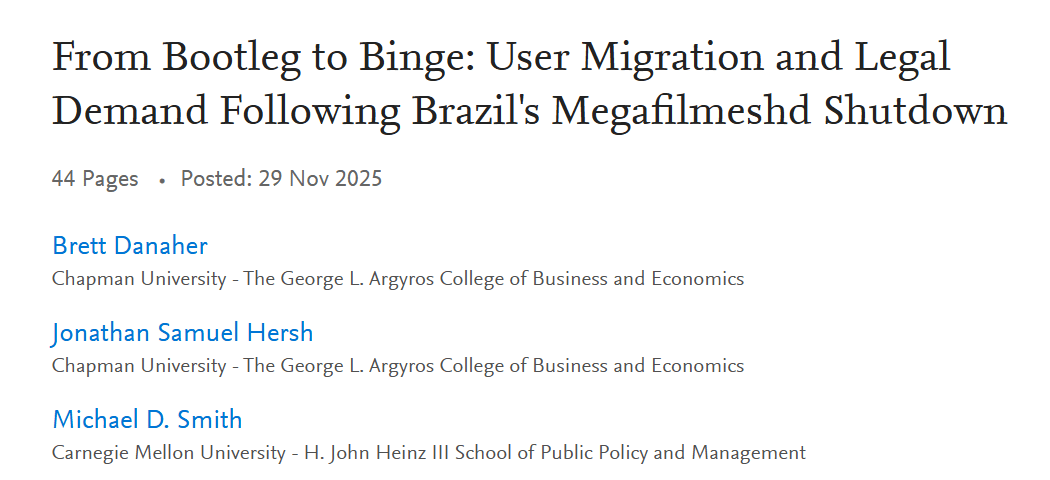 The data included browsing patterns before and after the shutdown, and it included a wide variety of respondents, ranging from hardcore pirates to people who never visited MegafilmesHD at all. After analyzing all data, the researchers found that pirates who previously used MegafilmesHD increased their visits to other pirate sites by 20% on average. Even more striking was the increase in engagement, as time spent on these alternative pirate sites surged by 61%. This effectively confirms that high-profile shutdowns divert traffic to other pirate sites and services. This makes sense, as a single shutdown can’t realistically make all piracy go away. However, the findings don’t end there. Additionally, the researchers also find a boost in legal use. Specifically, the data showed a 6% increase in visits to Netflix and an 11% increase in time spent on the platform among MegafilmesHD users. 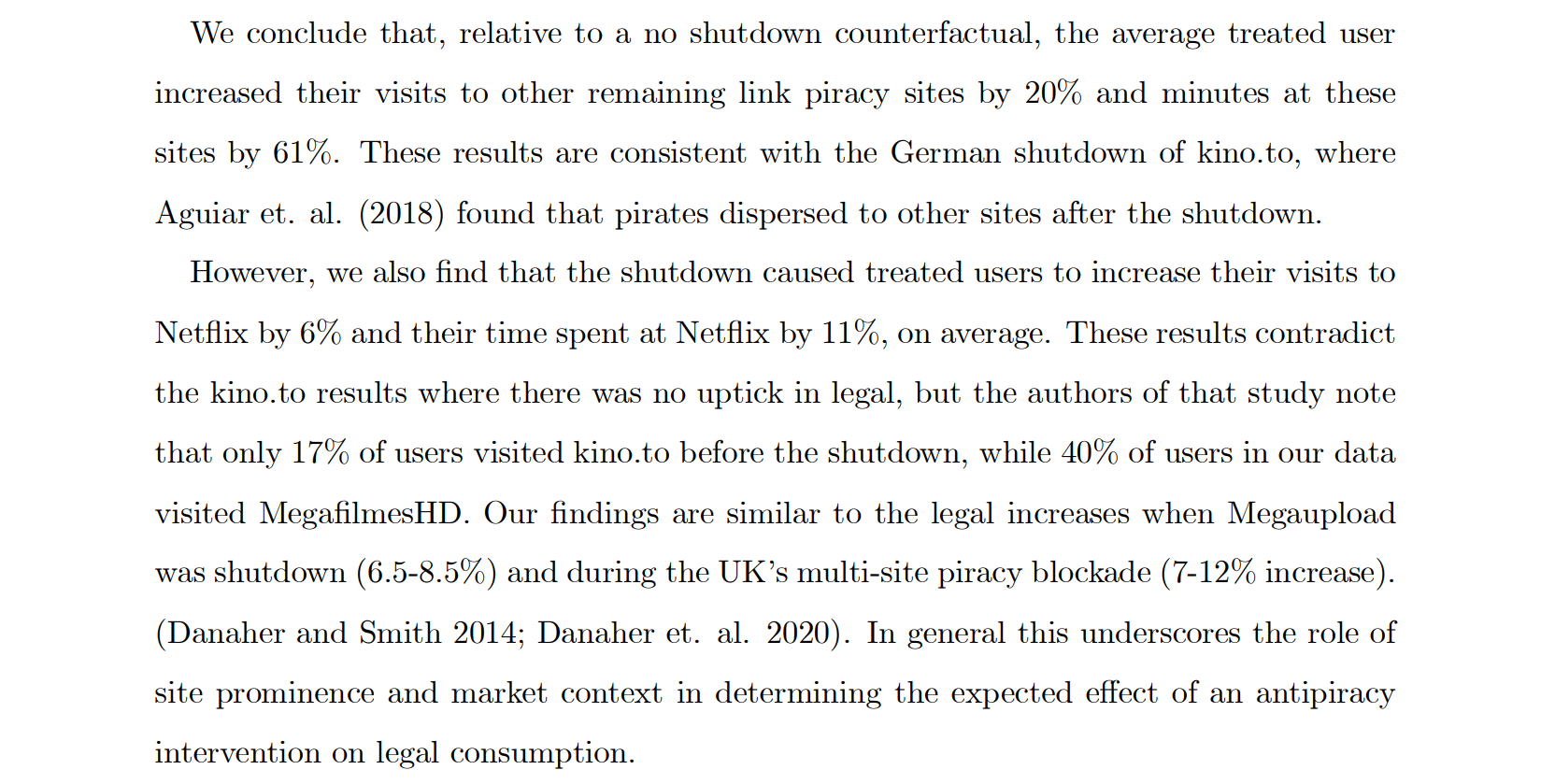 Crucially, this uptick wasn’t simply caused by existing Netflix subscribers watching more content. The researchers found a causal link between high MegafilmesHD usage and the probability of someone becoming a new Netflix subscriber in the months following the raid. The Wealth and Gender GapWhile these findings may all seem logical, the most compelling part of the research covers which people switched to legal options and who remained pirates. It appears that “The Equalizer” effect was not felt equally across all demographics. Since costs play an important role, it makes sense that there’s a wealth factor involved. And indeed, the research found that students and unemployed individuals were less likely to sign up for Netflix, likely because price remains a primary barrier to entry. Interestingly, gender also plays a key role. The researchers found that women were more likely to stop piracy altogether following the shutdown. Men, on the other hand, were more likely to persist, often “doubling down” by searching for new illegal sources. It is these types of nuances that reveal the complexity of online piracy and the effectiveness of enforcement actions. Ultimately, the researchers conclude that while a single-site shutdown can generate measurable legal gains, those gains are in part limited to users who can afford the alternative. For rightsholders and policymakers, the “take-home” message is that enforcement is only half the battle. Without appealing and affordable legal alternatives, even the most successful police operation may be nothing more than another round of whack-a-mole, driving traffic from one pirate site to the next one. — Danaher, B, Hersh, J, and Smith, MD. 2025. “From Bootleg to Binge: User Migration and Legal Demand Following Brazil’s MegafilmesHD Shutdown”. Review of Economics Research on Copyright Issues, Vol 22, pp 1-32. Note: This research was conducted as part of Carnegie Mellon University’s Initiative for Digital Entertainment Analytics (IDEA), which receives unrestricted funding from the Motion Picture Association (MPA). The authors note that all findings and any errors remain entirely their own. From: TF, for the latest news on copyright battles, piracy and more. | ||||||||||||||||||
| Friday, February 6th, 2026 | |||||||||||||||||||
| LJ.Rossia.org makes no claim to the content supplied through this journal account. Articles are retrieved via a public feed supplied by the site for this purpose. | |||||||||||||||||||
| 9:21 am | Anna’s Archive Loses .PM Domain, Adds Greenland (.GL) Backup
The music industry giants filed the case after the shadow library planned to release hundreds of terabytes of scraped Spotify data, including full tracks. While Anna’s Archive has since taken its initial Spotify metadata release offline, the legal pressure hasn’t been lifted. On the contrary, the preliminary injunction issued by the New York court, targeting domain registries, registrars, and other intermediaries, has proven to be quite effective. The .org domain was the first to fall, followed by the .se and .in variants. However, not all intermediaries were eager to comply with the U.S. injunction. As we reported last week, AFNIC, the French registry responsible for the .pm domain, made clear that U.S. court orders carry no direct legal weight in France. Enforcing the injunction would require the music companies to petition a French court; as far as we know, that hasn’t happened yet. Instead, the jurisdictional barrier appears to have been sidestepped entirely through a different route. .PM Domain Goes NextEarlier this week, Anna’s Archive’s .pm domain became unreachable. WHOIS records confirm that the domain now has a “blocked” status, with a hold flag preventing it from resolving. AFNIC, the French registry responsible for the .pm extension, previously told TorrentFreak that U.S. court orders carry no direct legal weight in France. This makes it unlikely that the registry itself took action. 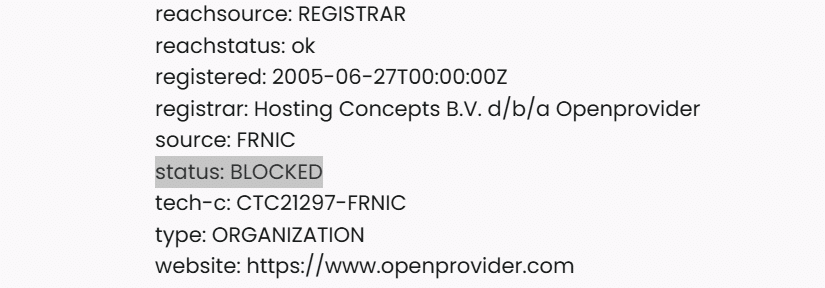
Instead, the suspension may have been issued on the registrar level by the Dutch company Hosting Concepts B.V., also known as Openprovider. Thus far, neither Openprovider nor AFNIC has responded to our requests for comment. International Pressure & U.S. InjunctionsIt is clear that there is no shortage of U.S. court orders targeting Anna’s Archive. In addition to the preliminary injunction in the Spotify case, library catalog company OCLC won a default judgment and permanent injunction against the shadow library last month in the WorldCat scraping lawsuit. That order also includes provisions that could be used to target intermediaries. As highlighted earlier, however, not all domain registries and registrars fall under the jurisdiction of U.S. courts. Because of this, rightsholders and anti-piracy groups in other countries have added their own pressure. In the Netherlands, anti-piracy group BREIN repeatedly urged the local domain registrar Openprovider to take down the .se and .pm domains in January. Openprovider informed BREIN that it had forwarded the request for closure to its customer. BREIN doesn’t know for certain whether its pressure led directly to the .pm domain going offline, nor is it certain that Openprovider is the party that pulled the plug. However, the result is the same. “In any case, the result counts. It’s good that the sites are offline. These shadow libraries are very harmful to authors,” BREIN director Bastiaan van Ramshorst informed TorrentFreak. Regardless of who took action, the .pm domain is now out of rotation. That left Anna’s Archive down to a single working domain earlier this week, but that didn’t last very long. Greenland BackupAccording to domain records, Anna’s Archive registered annas-archive.gl earlier this week. This new domain uses Njalla’s nameservers and is registered through Immaterialism Limited, a familiar setup from the site’s working .LI domain. 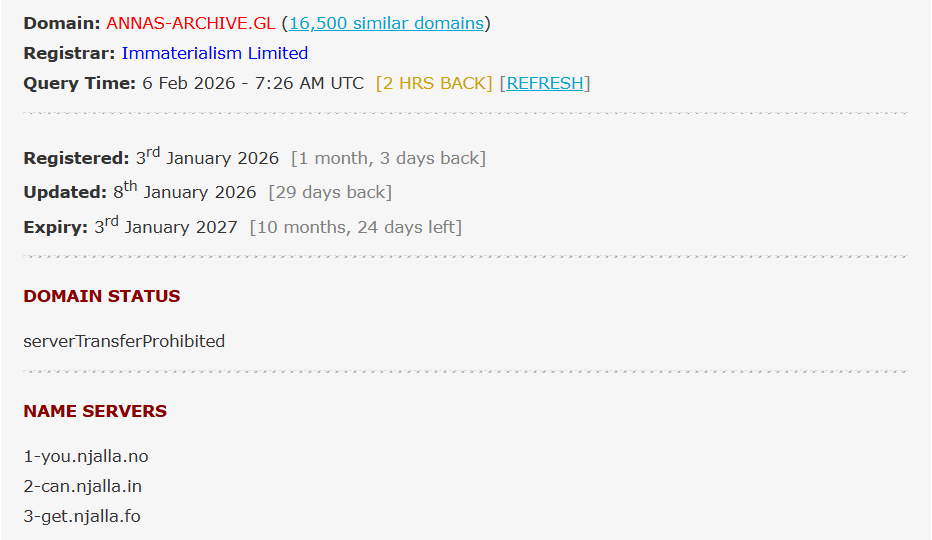
The choice of a Greenland-based domain is notable. With ongoing tensions between Greenland and the United States, the .gl registry may not be eager to subject itself to U.S. court jurisdiction. Whether that assumption holds remains to be seen. Previously, The Pirate Bay also moved to a .GL domain briefly. However, the Greenlandic telecoms company that manages the registry decided to suspend it soon after, over alleged illegal use. For now, Anna’s Archive continues its game of domain whack-a-mole, staying one step ahead of the takedowns for the moment. At the same time, it is expected that rightsholders will do everything in their power to maintain pressure. From: TF, for the latest news on copyright battles, piracy and more. | ||||||||||||||||||
| Thursday, February 5th, 2026 | |||||||||||||||||||
| LJ.Rossia.org makes no claim to the content supplied through this journal account. Articles are retrieved via a public feed supplied by the site for this purpose. | |||||||||||||||||||
| 12:12 pm | ‘Ripping’ Clips for YouTube Reaction Videos can Violate the DMCA, Court Rules
Despite this explicit restriction, there are numerous ‘stream-ripping’ and “YouTube downloader” tools available on the web that do just that. These ripping tools can be used to convert YouTube music videos into MP3s for example. This is seen as a major problem by the music industry, which has and is taking legal steps in response. Specifically, music companies argue that using these stream-ripping tools violates the DMCA, as it circumvents YouTube’s copyright protection technology. This ‘rolling cipher’ can be bypassed relatively easily, but it prevents regular users from downloading videos from YouTube directly. Creator vs. CreatorThe ‘rolling cipher’ accusations are not limited to the music industry. They can also be used in other contexts, including a creator vs. creator battle. This is the case in Cordova v. Huneault, which revolved around the legality of “reaction” and “commentary” channels. The implications could be significant. Reaction and commentary videos have become a massive part of YouTube’s ecosystem, with countless creators building entire channels around responding to, critiquing, or mocking other people’s content. Many of these creators rely on downloading clips from other channels, often using third-party tools that bypass YouTube’s protections, to incorporate into their videos. While fair use is often cited as a defense, this case suggests that DMCA circumvention liability comes into play, regardless of whether their final use qualifies as fair. Without going into the nature of the videos, the lawsuit pits Christopher Cordova (Denver Metro Audits) against Jonathan Huneault (Frauditor Troll Channel). Cordova alleged that Huneault didn’t just use his copyrighted footage without permission, but that he also used “ripping” tools to bypass YouTube’s technical protection to get it. The defense disagreed with this argument and requested dismissal. They argued that, because the videos are publicly viewable on YouTube, there is no “access control” to speak of. Additionally, the defense pointed out that there is no evidence that ripping tools were used, pointing out that the defendant and many others have used screen recording to copy content. 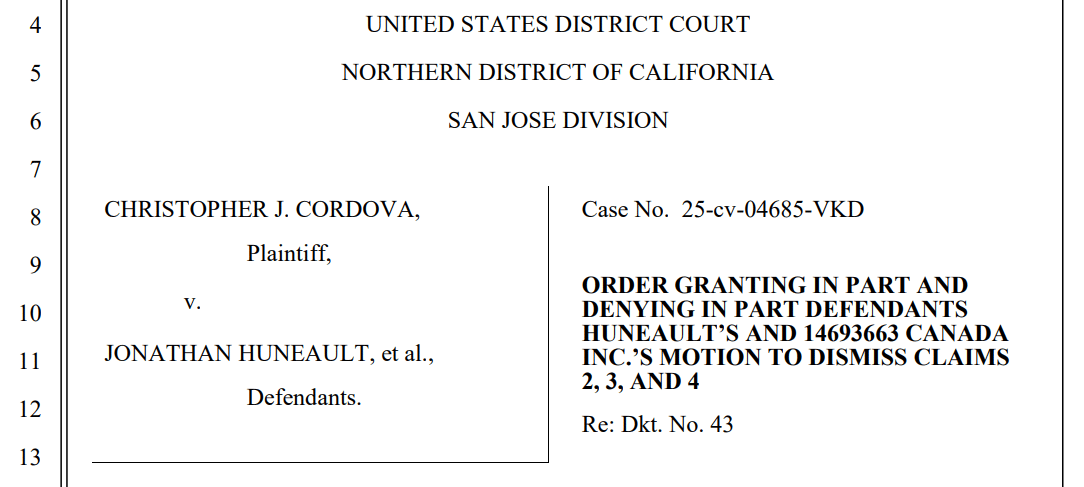 After hearing both sides, U.S. Magistrate Judge Virginia K. DeMarchi denied the motion to dismiss the DMCA circumvention claims, allowing the case to move forward on that claim. “Mr. Cordova has adequately pled that YouTube applies technological measures, including ‘rolling-cipher technology’ designed to prevent unauthorized downloading, to videos published on its platform that effectively control access to his videos for purposes of § 1201(a).” “Whether the videos may be viewed by the public is immaterial; the [complaint] refers to technological measures intended to prevent unauthorized downloading,” Judge DeMarchi adds. 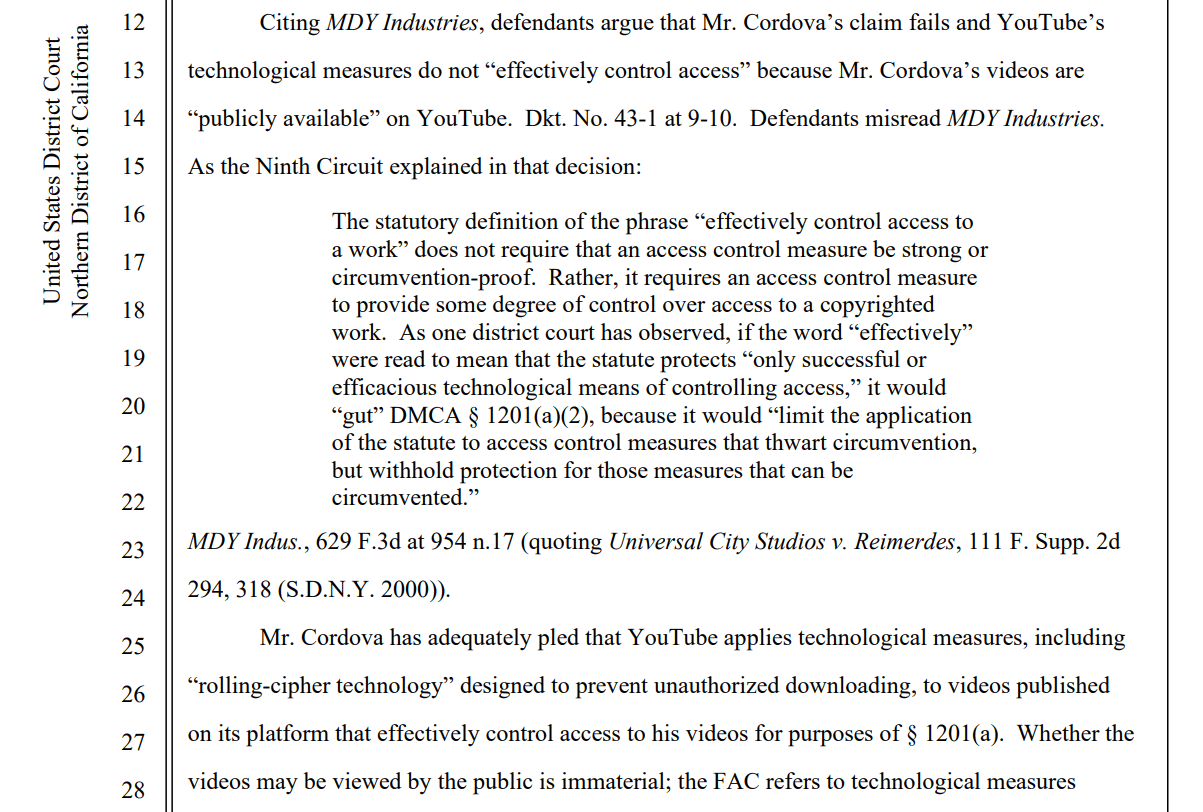 Caution: Reaction ChannelsWhile the survival of the §1201 claim may seem like a mere technicality in a case that has yet to be fully litigated, it is rather significant. By accepting that the “rolling cipher” effectively controls access to the downloadable file, the court gives creators who want to sue rivals an option to sue for more than just simple copyright infringement. For years, reaction creators have operated under the assumption that, if their commentary is fair use, the way they acquired the footage doesn’t matter. However, Judge DeMarchi’s decision suggests otherwise. Essentially, it means that commentary and reaction channels, which are widespread, face potential liability for DMCA violations if they use ripping tools that bypass YouTube’s protections. “No Harm, No Foul”?The legal teams are now sharply divided on what the circumvention claims mean for the case going forward. In a statement to TorrentFreak, defense lawyer Steven C. Vondran dismisses the circumvention claims as a tactical maneuver that may eventually fall apart, as his client didn’t use a ripping tool. The attorney further argued that, if the “reaction” video of his client is fair use, there is no “injury” or harm. “If fair use rights apply, and if there is no cognizable injury, then what would be their grounds to have proper standing?” Vondran asked. “Plaintiff is arguing that Defendant used ripping tools to circumvent YouTube’s content protection technology to obtain video clips,” Vondran told us. “In fact, this was not the case, but it seems anyone can allege this in a lawsuit and be able to go through discovery to see if they can find the use of these tools.” The defense shifts the focus and counters that the plaintiff has no right to sue in the first place, because there is no harm. Vondran argues that if the final “reaction” video is fair use, then the original creator hasn’t been “injured” just because someone downloaded a clip. Plaintiff’s attorney Randall S. Newman hit back, telling TorrentFreak that circumventing copy protections under §1201 of the DMCA, is a separate violation that is unaffected by a fair use finding. “The injury flows from the act of bypassing technological protection measures themselves, not from the outcome of a fair-use defense asserted after the fact,” Newman says, adding that the question of whether a ripping tool was used will be answered during discovery. While the order of the motion to dismiss is significant, for this case it means little more than that the case can now move ahead to the discovery phase, after which it will be argued on its merits. The allegations that the defendant used ripping tools to download videos will have to be backed up by evidence then. — A copy of the order handed down by U.S. Magistrate Judge Virginia K. DeMarchi of the Northern District of California last month is available here (pdf). From: TF, for the latest news on copyright battles, piracy and more. | ||||||||||||||||||
| Wednesday, February 4th, 2026 | |||||||||||||||||||
| LJ.Rossia.org makes no claim to the content supplied through this journal account. Articles are retrieved via a public feed supplied by the site for this purpose. | |||||||||||||||||||
| 9:53 am | NVIDIA: Contact With Anna’s Archive Doesn’t Prove Copyright Infringement
The complaint cited internal emails showing that NVIDIA contacted Anna’s Archive seeking “high-speed access” to the shadow library’s massive collection. After being warned about the illegal nature of the materials, NVIDIA executives allegedly gave the “green light” to proceed. Now, NVIDIA has fired back with a comprehensive motion to dismiss, calling the authors’ allegations speculative, vague, and legally insufficient. Contact With ‘Anna’ Isn’t EnoughAt the California federal court, NVIDIA argues that the authors’ complaint is built on speculation rather than facts. While the complaint shows evidence suggesting that NVIDIA contacted Anna’s Archive about potentially accessing “millions of pirated materials,” NVIDIA points out a crucial gap: the authors never actually allege that NVIDIA downloaded their specific books from the shadow library. “The only plausible facts alleged about Anna’s Archive are that NVIDIA ‘contacted Anna’s Archive’ about unspecified data, Anna’s Archive asked NVIDIA to confirm, and “The mere fact that NVIDIA was in contact with representatives from Anna’s Archive does not mean that NVIDIA obtained Plaintiffs’ works from Anna’s Archive. It’s equally plausible NVIDIA did not,” the motion states. 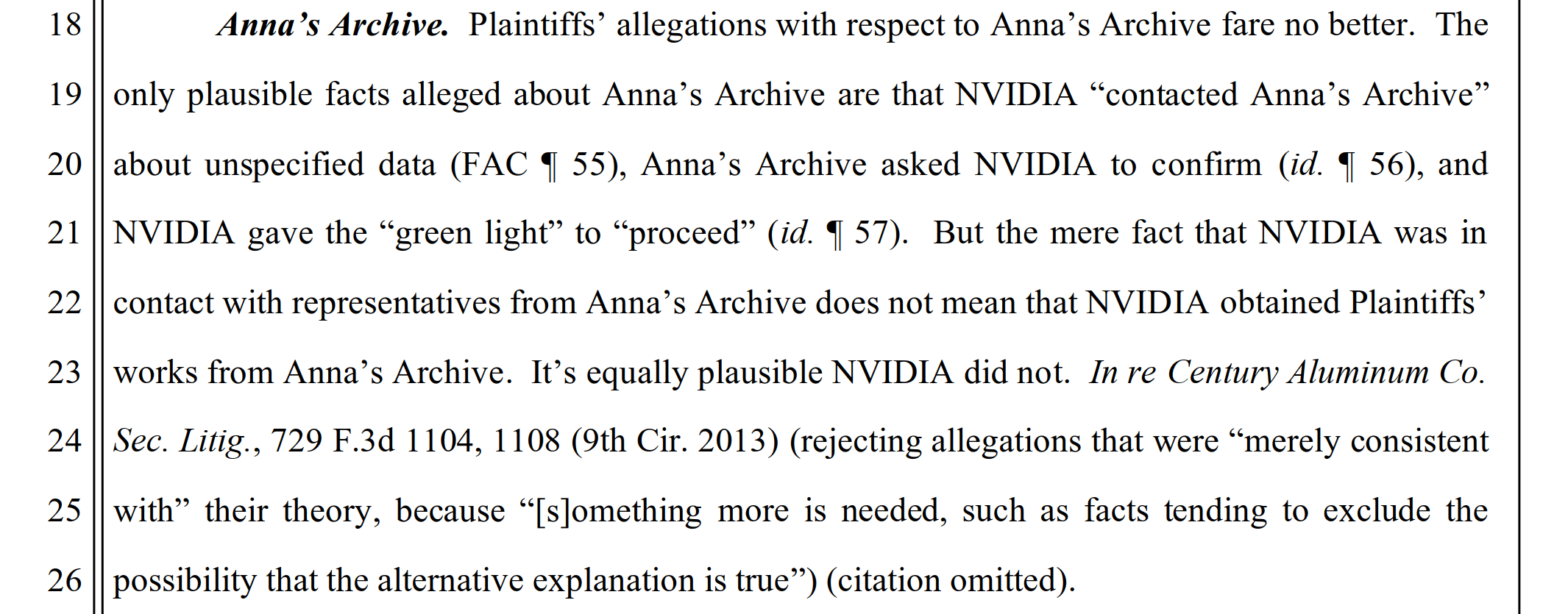 The chip giant notes that the authors rely heavily on allegations made “upon information and belief”. This is a legal phrase that essentially means that it is an educated guess, rather than a statement that can be backed up with evidence. Anna’s Archive ‘Backs’ NVIDIAIt’s worth noting that after our original coverage, AnnaArchivist weighed in on Reddit, stating they have not been in direct contact, suggesting the company may have used an intermediary. “We’ve never dealt with Nvidia directly, so they likely used an intermediate party to avoid legal issues. But if Nvidia were to contact us directly, we’d happily provide them with high speed access in exchange for a donation,” the site’s representative wrote. 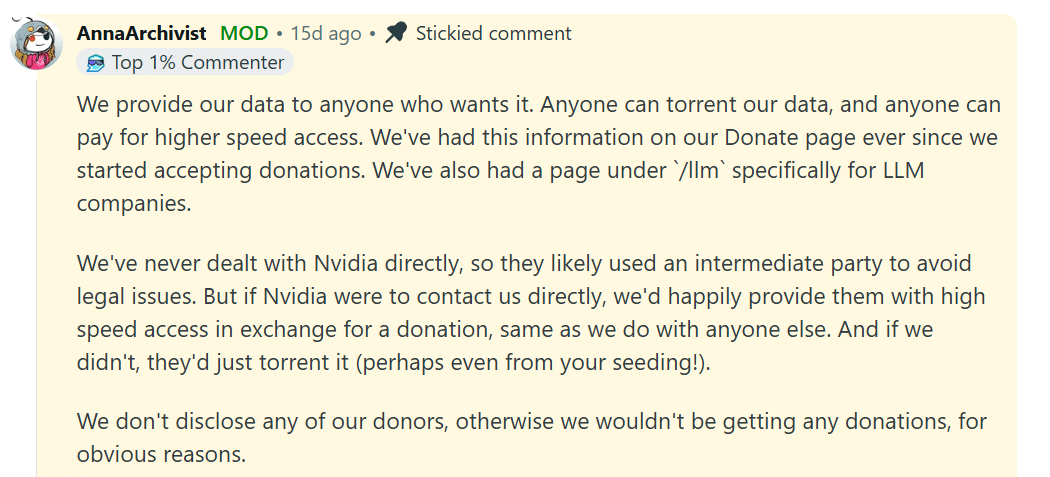 Whether this clarification helps or hurts the authors’ case remains to be seen. In any case, NVIDIA does not mention it in its motion to dismiss. Catch-All Fishing ExpeditionAside from the Anna’s Archive rebuttal, NVIDIA describes the amended complaint as a fishing expedition that includes “improper catch-all allegations” that target virtually every AI model and dataset the company has ever worked with. The original complaint focused narrowly on the NeMo Megatron model family and the Books3 dataset. But the amended version now references unidentified “NVIDIA LLMs,” unnamed “internal models,” undefined “NextLargeLLM” models, and unspecified “other shadow libraries.” Shortly after filing their updated complaint, the authors sent new discovery requests targeting these new models and datasets. “Plaintiffs’ bid for limitless discovery is confirmed by the blizzard of discovery requests they served after filing,” NVIDIA writes, as further evidence for the alleged fishing expedition. No Proof Books Were Actually UsedIn addition to Anna’s Archive, the amended complaint also adds various other shadow libraries, including Bibliotik, LibGen, Sci-Hub, Z-Library, and Pirate Library Mirror. However, according to NVIDIA, the complaint lacks proof that the company downloaded the authors’ books. Similarly, it argued that there is no evidence that specific books or datasets were used to train LLMs. For example, for the Nemotron-4 models, the authors simply speculated that because the training dataset was large and contained books, it must have included their works. NVIDIA dismissed this line of reasoning, noting that speculation is not enough. “[T]he absence of factual allegations that the data used to train Nemotron-4 15B and Nemotron-4 340B included Plaintiffs’ works requires dismissal as to those models,” the motion to dismiss reads. Secondary Infringement Claims FailThe amended complaint added two new legal theories: contributory and vicarious copyright infringement. Both claims allege that NVIDIA helped customers infringe by providing tools to download ‘The Pile’ dataset. NVIDIA argues these claims fail from the start. Both require an underlying act of direct infringement by a third party, but the authors only speculate “on information and belief” that NVIDIA’s customers downloaded and used The Pile. The complaint names three purported NVIDIA customers but “does not identify any customer alleged to have downloaded or used The Pile,” the motion states. Even if third-party infringement occurred, NVIDIA argues the authors fail to show the company had knowledge of specific infringing acts or materially contributed to them. The NeMo framework provides optional tools that customers can choose to use with any dataset—including licensed or public domain materials. “The NeMo framework is capable of substantial non-infringing uses,” NVIDIA writes, citing legal precedent that bars liability when products have legitimate purposes. NVIDIA Requests DismissalAll in all, NVIDIA wants the court to dismiss all the expanded claims, including the addition of the new models, the new shadow libraries, and the alleged communication with Anna’s Archive. The company further argues that the contributory and vicarious copyright infringement claims should be dismissed completely, as there is no evidence that specific books were pirated. 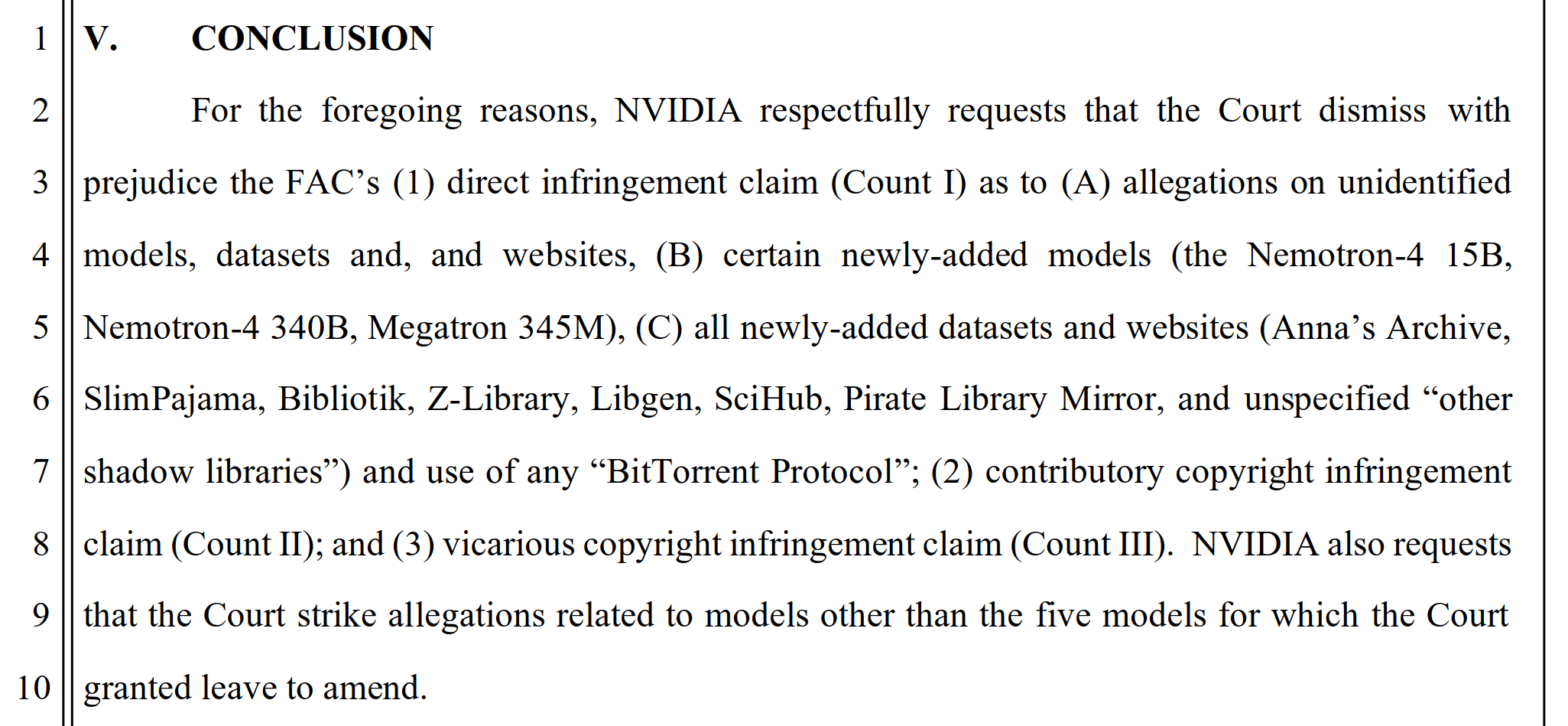 Notably, the direct copyright infringement claim, which alleges that NVIDIA used the Books3 database to train its NeMo model, is not covered by the motion. NVIDIA plans to defeat that during trial or on summary judgment, likely through a defense that relies heavily on fair use. — A copy of NVIDIA’s motion to dismiss is available here (pdf). It is scheduled for a hearing on April 2, 2026, before Judge Jon S. Tigar in Oakland, California. From: TF, for the latest news on copyright battles, piracy and more. | ||||||||||||||||||
| Tuesday, February 3rd, 2026 | |||||||||||||||||||
| LJ.Rossia.org makes no claim to the content supplied through this journal account. Articles are retrieved via a public feed supplied by the site for this purpose. | |||||||||||||||||||
| 2:41 pm | U.S. Rightsholders Applaud India’s “Lock and Suspend” Piracy Blockades
Indian courts have issued pirate site blocking orders for over a decade. Initially, these orders were relatively basic, requiring local Internet providers to block specific domain names. However, these early orders have evolved quite a bit since then. In 2023, several Hollywood studios obtained a seminal court order that significantly expanded the scope. In addition to requesting Indian Internet providers to block pirate sites, it also required domain registrars to “lock and suspend” the domain names while sharing registrant data with the rightsholders. This broad Delhi court order became a new standard going forward. American rightsholders used it against a wide variety of pirate sites and, through this Indian route, they targeted American domain registrars such as Namecheap and Porkbun. Effectively, the Delhi High Court now has the power to take domains offline worldwide. U.S. Rightsholders Praise Indian ModelThus far, U.S. rightsholders have not commented in great detail on these Indian efforts. However, the International Intellectual Property Alliance (IIPA), which represents the interests of prominent rightsholder groups, including the MPA and RIAA, recently highlighted it. IIPA makes its remarks in its annual “Special 301” recommendation to the U.S. Trade Representative (USTR). This inquiry allows rightsholders to flag shortcomings and concerns in foreign countries. 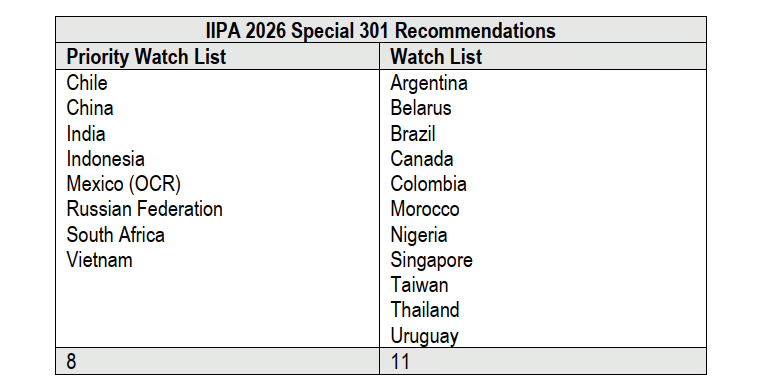 The IIPA traditionally sees India as a problematic country, and this year it also recommends the USTR put it on the Priority Watch List. However, there is praise too, especially for the site-blocking efforts. The “lock and suspend” orders, in particular, have helped to (temporarily) take out hundreds of pirate sites. This includes targets such as Animeflix, Vegamovies Fmovies, SFlix, VidSrc, and many others. “To date, more than 400 piracy domains have been completely wiped from the Internet, representing billions of global piracy visits,” IIPA writes. “Rights holders are encouraged by the Delhi High Court’s progressive understanding of the technologies involved in modern digital piracy and its resolve to grant creative relief to truly tackle piracy on a global scale.” Effective DisruptionIIPA notes that these court orders are “unusually disruptive for pirate operators”. This is in part because they target domain names through U.S. domain registrars. This means that the impact of these court orders is felt globally. Also, since the domain registrars are required to share the personal details of the domain registrants, these orders can help with follow-up enforcement actions. These Delhi High Court orders have helped to tackle movie and TV-show piracy, and IIPA suggests that this is also showing in the numbers. Anime and manga are now the dominant piracy categories, with less than 30% of the top pirate sites (ex. music) focused on U.S. movies and TV content. “This can be said to be at least in part attributable to the consistent orders being made by the Delhi High Court to disable access to all the top pirate film, TV, and streaming sites,” IIPA writes. Additionally, IIPA highlights enforcement achievements by the local authorities. For example, the high-profile action against the alleged operator of the streaming platform iBomma, who was arrested soon after he landed at Hyderabad Airport. More Can Be DoneOf course, IIPA’s report isn’t just a summary of positive notes. After all, the group lists India as a high-priority threat, so there is plenty of room for improvement. “While these promising developments raise hopes that concerted actions can have a positive impact to disrupt the piracy ecosystem, more needs to be done to ensure deterrence becomes the norm to drive would-be pirates from these damaging activities,” IIPA writes. For example, IIPA complains that some Indian Internet Service Providers (ISPs) are slow to implement the blocking orders passed by the Delhi High Court and calls for tighter timelines. In addition, not all foreign domain name registrars are complying with the Indian court orders. This means that the global reach of these orders remains limited. Finally, since broad blocking orders are limited to the Delhi Court, rightsholders recommend replicating these state-level blocking successes nationally across all Indian states. The site-blocking recommendations are just the tip of the iceberg, however. The IIPA recommends India to undertake a long list of actions, ranging from taking action against illegal camcording in movie theaters to improving the proposed Digital India Act by adding anti-piracy measures. 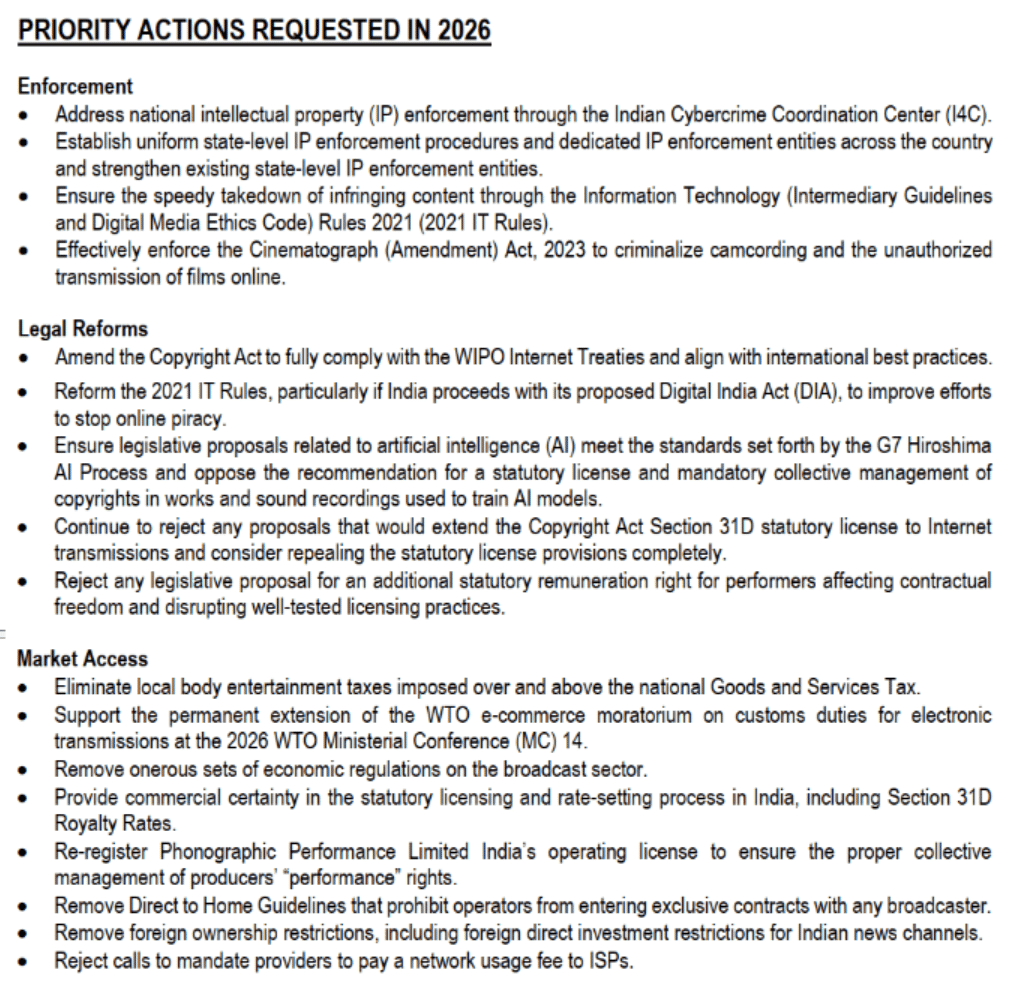 IIPA’s conclusion is that India deserves to be called out on the USTR’s “Priority Watch List” in the upcoming Special 301 Review. Whether the U.S. government agrees has yet to be seen, but it wouldn’t be a surprise, as India has consistently been marked as a priority threat in recent years. — IIPA’s 2026 Special 301 Report on Copyright Protection and Enforcement, which includes all India references, is available here (pdf). From: TF, for the latest news on copyright battles, piracy and more. | ||||||||||||||||||
| Monday, February 2nd, 2026 | |||||||||||||||||||
| LJ.Rossia.org makes no claim to the content supplied through this journal account. Articles are retrieved via a public feed supplied by the site for this purpose. | |||||||||||||||||||
| 8:31 am | Danish Students Face Legal Action and Fines Over Textbook Piracy
This isn’t a new phenomenon at all. Roughly two decades ago, there were already dedicated torrent sites that specialized in textbook releases. Since then, book piracy has become much more widespread. In Denmark, local anti-piracy group Rights Alliance has had this issue on its radar for a while. In the past, the group has been tracking down individuals said to have profited from the sale of pirated textbooks. This resulted in several convictions against suppliers and sellers. Despite these high-profile convictions, student sharing habits have remained remarkably stagnant. According to the most recent 2025 survey from Epinion, textbook sharing is widespread. Of all students who use digital textbooks, more than half (57%) have acquired at least one textbook illegally. 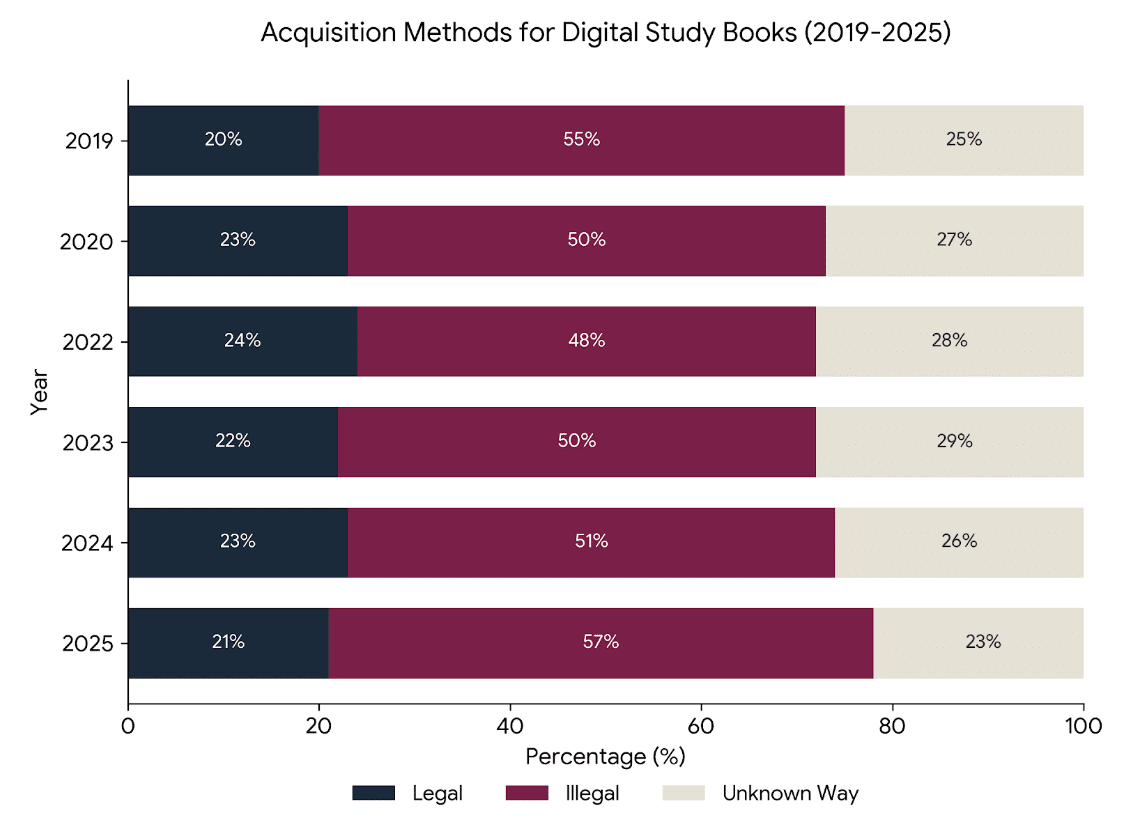 Most students are well aware of the fact that sharing textbooks, either online or offline, is illegal. Regardless, the survey found that 74% of the students nonetheless believe that it is acceptable to do so. Anti-Piracy Group Will Sue Pirating StudentsThe Rights Alliance has clearly had enough of the continued popularity of textbook piracy. To send a clear message on behalf of publishers, the group will start filing lawsuits against pirating students this month. “For many years we have tried to reach students through dialogue and information, but the effect cannot be seen in the measurements we have conducted over a seven-year period,” Rights Alliance director Maria Fredenslund says. “When more than half are still sharing textbooks illegally, we need to send a clearer signal. There must be consequences if the law is broken – just like in all other areas of society.” The Rights Alliance plans to file civil lawsuits based on the local Copyright Act and will focus on cases where it is clear that the textbook sharing is illegal. The anti-piracy group notes that, if found guilty, students can be ordered to pay a fine to the state. Speaking with TorrentFreak, Rights Alliance said that these fines are estimated to be several thousand Danish kroner (1000DKK = 160USD), in part dependent on how much textbooks are shared. ‘Zero Tolerance’People who share dozens of books are understandably risking a higher fine than those who share a single copy. However, Rights Alliance stresses that there’s a zero-policy stance, as even a single instance of unlawful sharing is enough to trigger a lawsuit. Crucially, this is not a traditional “settlement” scheme. The Rights Alliance confirmed to TorrentFreak that they are not seeking damages or private settlements. There is no profit motive; the goal is simply to force a cultural change through the court system. Rights Alliance preferred not to tell us how many students it expects to target. Similarly, the anti-piracy group did not want to mention which platforms or services are monitored to gather evidence. Instead, it simply said that it maintains an active presence on multiple platforms and in various groups. The publishers believe that if textbook piracy continues at the current pace, there might not be a market for Danish textbooks in the future. This is not just a problem for publishers but also for educational institutions, which are asked to help teach their students about these concerns. “We do not want to punish individuals, but to create a cultural change where students understand that illegal sharing has consequences,” Fredenslund says, adding that institutions are also encouraged to sanction copyright infringement under their roof. In closing, it’s worth stressing that the textbook ‘piracy’ problem isn’t just limited to students. The Danish Epinion survey found that for students who received an illegal book via their official study intranet, 37% received the file directly from their teachers, lecturers, or professors. From: TF, for the latest news on copyright battles, piracy and more. | ||||||||||||||||||
| Saturday, January 31st, 2026 | |||||||||||||||||||
| LJ.Rossia.org makes no claim to the content supplied through this journal account. Articles are retrieved via a public feed supplied by the site for this purpose. | |||||||||||||||||||
| 8:55 am | Piracy Crackdown in Italy Shuts Down IPTV Services Ahead of Winter Olympics
While the number of affected users doesn’t always seem to add up, it is clear that Italy can and is willing to take action, where other countries do not see IPTV as a priority. This week, the local authorities announced another major crackdown. Led by the District Prosecutor’s Office of Catania and the Italian Postal Police, “Operation Switch Off” involved raids in 11 Italian cities and 14 countries, including the UK, India, Canada, and Romania. Operation Switch OffWith support from Eurojust, Europol, and Interpol, the operation dismantled a global network allegedly generating between €8 million and €10 million in illicit revenue every month. Authorities say that they identified 31 key suspects and reportedly disconnected more than 125,000 users in Italy alone, with millions more affected globally. While the police press release does not mention any names, several sources confirm that the popular IPTV services IPTVItalia, DarkTv, and migliorIPTV are affected. In addition, reseller panels and associated Telegram accounts have been taken offline. A “Preventive” Strike for the Winter Olympics?The timing of the raids is also worth highlighting. While the police do not mention the Olympics, this preventive strike a week before the opening ceremony certainly does not hurt. Coincidence or not, the crackdown can also be seen as a proactive measure to secure the broadcasting market. Italy’s Minister for Sport and Youth, Andrea Abodi, directly connected the operation to the Olympics. “I thank the State Police, the Catania Prosecutor’s Office, and the international authorities for the results achieved by this raid, which is particularly significant less than ten days before the 2026 Milan Cortina Olympics,” Abodi said. While this week’s actions are new, the evidence is not. According to Italian tech outlet DDay.it, the investigation was fueled by forensic analysis from “Operation Taken Down” in November 2024. Investigators spent over a year mining data from the seized devices, tracking cryptocurrency flows, and monitoring communication channels. This eventually resulted in a good overview of the broader organization, which led to the crackdown and arrests throughout this week. International TentaclesIn addition to hardware in Italy, including a SIM farm in Naples that was used to create Telegram bots, the operation also relied on servers elsewhere. This reportedly included six servers strategically placed across Eastern Europe and an unnamed African country to evade law enforcement. In Kosovo, a local report from Telegrafi confirms that raids also hit Pristina and the village of Zaplluxhë, where police seized computers and hard drives belonging to a suspect identified only as “P.B.” All in all, Operation Switch Off is yet another successful Italian crackdown. Understandably, the actions received praise from local and international rightsholder groups, including ACE, which sees it as evidence that sustained cross-border cooperation in the fight against piracy pays off. — Update: After publication, Sky Italia shared the following response from its CEO, Andrea Duilio, with us. “I would like to thank the Catania District Prosecutor’s Office and the Postal Police for Operation ‘Switch Off’, which once again confirms how piracy is an integral part of organized criminal systems on an international scale,” Duilio says. “This investigation clearly shows how users of these illegal services, in addition to risking identification and sanctions, fuel criminal businesses and expose themselves to cybersecurity threats of which they are often unaware.” From: TF, for the latest news on copyright battles, piracy and more. | ||||||||||||||||||
| Thursday, January 29th, 2026 | |||||||||||||||||||
| LJ.Rossia.org makes no claim to the content supplied through this journal account. Articles are retrieved via a public feed supplied by the site for this purpose. | |||||||||||||||||||
| 11:34 pm | Bulgarian Torrent Giants Zamunda, Zelka, and ArenaBG Seized in Joint U.S.-Bulgarian Operation
To get that done, the Eastern European country specifically asked the U.S. Government for assistance. Today, it appears that these shutdown plans have finally come to fruition, at least as far as the domain names go. A few hours ago, three of the largest torrent trackers became unreachable, directing users to a seizure banner. “This domain has been seized by Homeland Security Investigations as part of an international law enforcement operation in accordance with a court order issued by the United States District Court for the Southern District of Mississippi,” the banner reads. 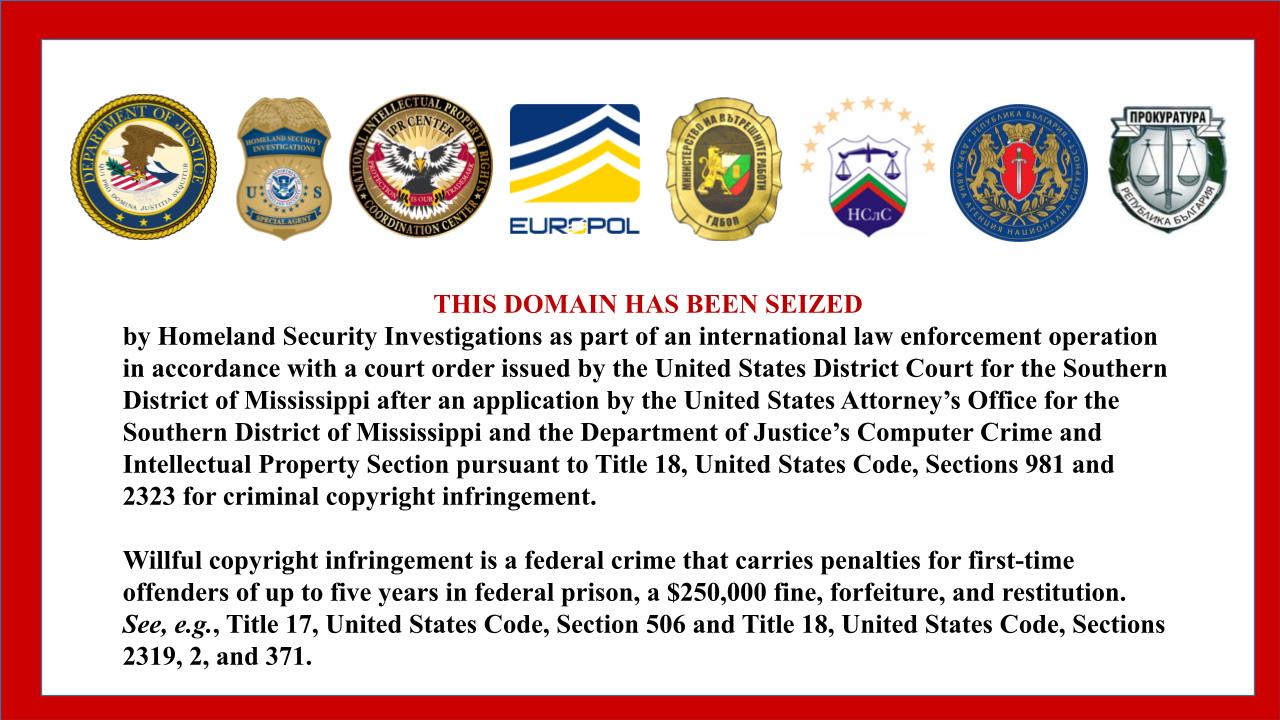 The listed law enforcement logos are, from left to right:
The order issued by the Mississippi federal court purportedly compelled the domain name registrars or the domain registries to take action. With domain names linked to American domain intermediaries, this explains why it would be crucial for the U.S. to be involved. At the time of writing, ArenaBG.com, Zamunda.net, and Zelka.org all point to seizedservers.com nameservers, which means that the domains are now controlled by the U.S. authorities. 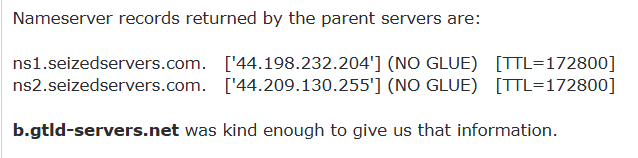 To give an idea of the popularity of these sites, Zamunda.net was up until recently the 11th most visited website in Bulgaria with millions of monthly visitors. The authorities in Bulgaria previously said that “pre-trial proceedings were opened” against torrent trackers for “intellectual property and tax crimes.” However, it is not clear if today’s actions go beyond the domain seizures. In the past, Bulgaria has asked the U.S. for assistance to seize the physical servers of Zamunda. However, thus far there is no information about additional enforcement actions. We have also yet to see a press release from the authorities formally confirming the action. If the current action is limited to the domain names the sites will likely switch to alternative ones, as we have seen with other seizures in the past. — Note: This is a breaking story, and we will continue to monitor the situation and may add updates when more information comes in. From: TF, for the latest news on copyright battles, piracy and more. | ||||||||||||||||||
 Belgium has become one of Europe’s most active testing grounds when it comes to pirate site-blocking enforcement.
  Earlier this week, a Spanish court ordered ProtonVPN and NordVPN to block pirate LaLiga streams on their networks.
 Every year, the Office of the U.S. Trade Representative (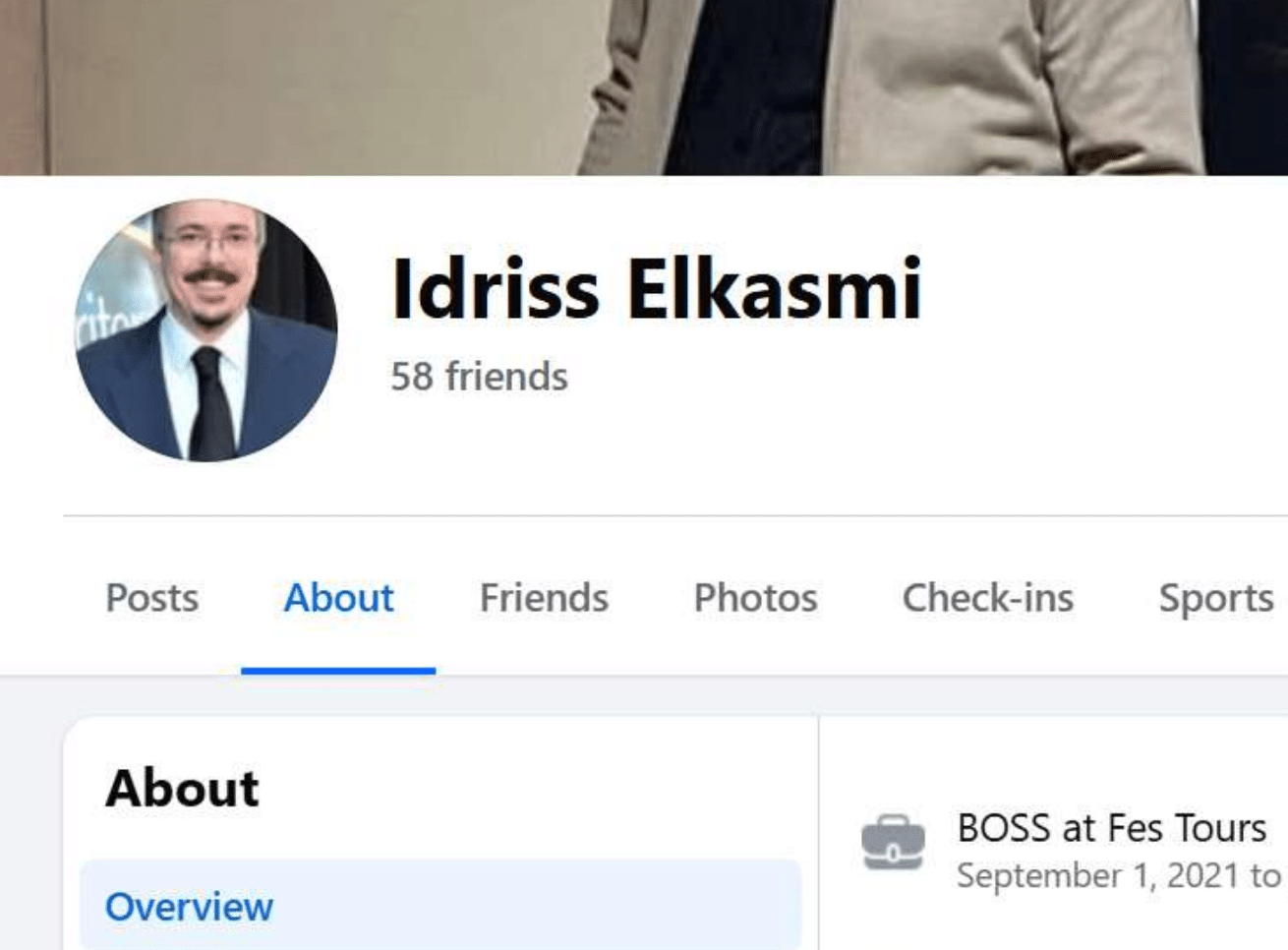
 VPNs have long been a thorn in the side of LaLiga, as they are used to circumvent the ISP blocking measures it has spent years securing in local courts.
  HDFull is a pirate streaming portal that has served Spanish-speaking audiences for years, offering a massive library of movies and TV shows.
  Amazon is not just the largest e-commerce retailer; the company also has a significant copyright portfolio.
 Like most other countries, South Korea has a persistent piracy problem. Online streaming platforms in particular have flourished in recent years.
 In September 2024, we reported on an unprecedented anti-piracy measure handed down in Argentina.
 Pirate site blocking is a common practice in dozens of countries around the world, and the Netherlands and Germany are no exceptions.
 With an impressive
  In November 2015, Federal Police in Brazil launched Operation Blackbeard, a coordinated action to take down Latin America’s
 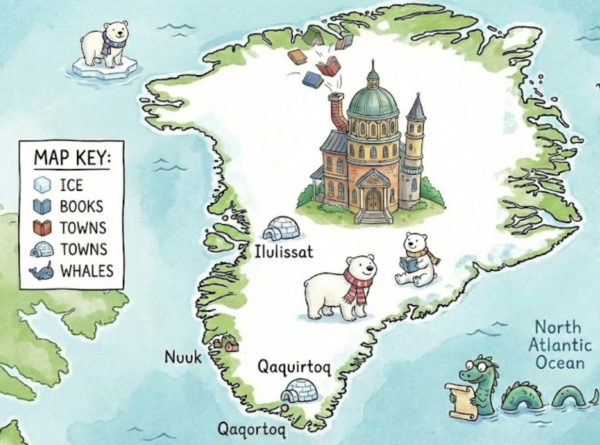 Anna’s Archive has faced a barrage of domain takedowns in recent weeks, after Spotify and several major record labels
 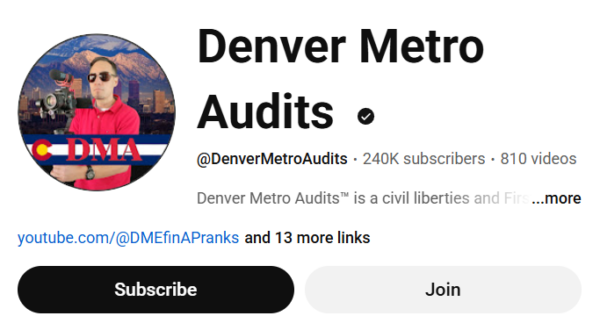 Downloading audio and video from YouTube is generally not allowed, which the video streaming service clearly states in its terms of service.
 Last month, we reported on an expanded class-action lawsuit in which several authors accused NVIDIA of using millions of pirated books to train its AI models.
 Pirate sites and services can be a real challenge for rightsholders to deal with. In India, however, recent court orders have proven to be quite effective.
 Online piracy is often associated with entertainment, such as movies, games, and music. However, there are millions pirating content for educational purposes too.
  No other country in Europe generates as much noise around physical anti-piracy crackdowns as Italy, where ‘boots-on-the-ground’ operations have become a regular occurrence.
 Five years ago, Bulgaria informed the U.S. authorities that it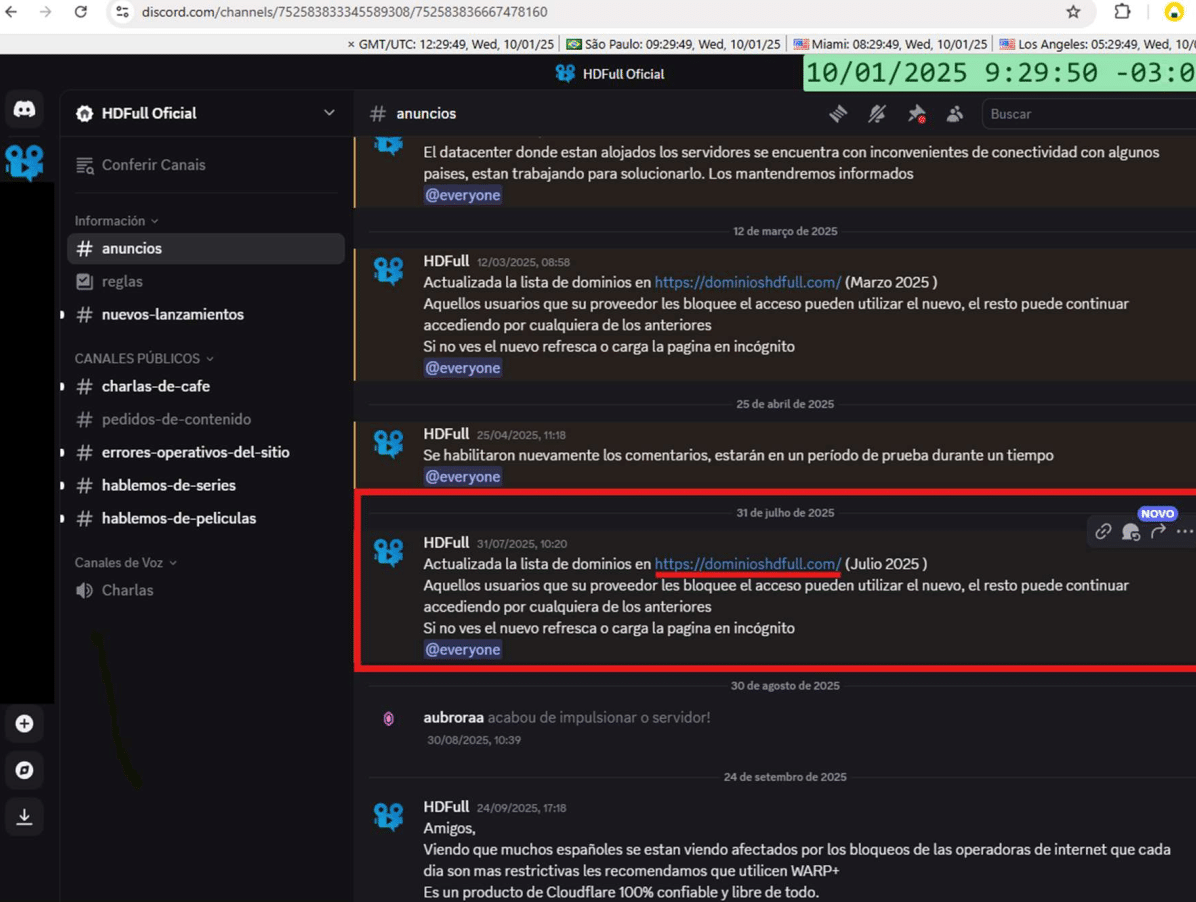
LJ.Rossia.org makes no claim to the content supplied through this journal account. Articles are retrieved via a public feed supplied by the site for this purpose.