[Recent Entries][Archive][Friends][User Info]
| Time | Text |
|---|---|
07:05 pm![[info]](http://lj.rossia.org/img/userinfo.gif) industrialterro industrialterro[Link] |
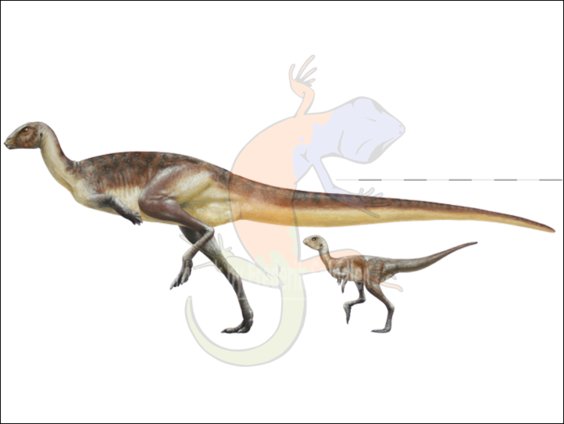
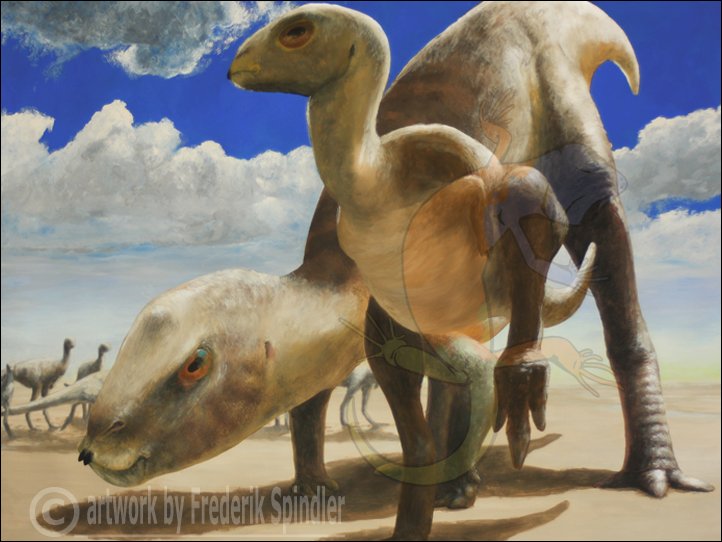
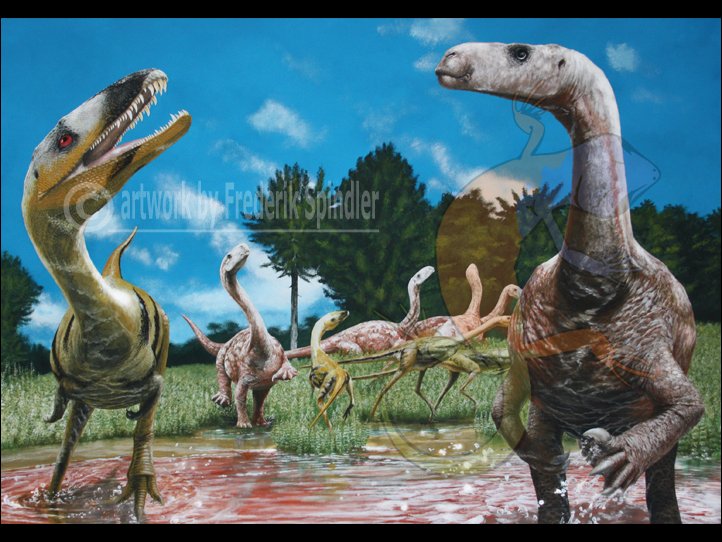
Dysalotosaurus Dysalotosaurus (meaning 'uncatchable lizard') is a genus of herbivorous iguanodontian dinosaur. It was a dryosaurid iguanodontian, and its fossils have been found in late Kimmeridgian age-rocks (Late Jurassic) of the Tendaguru Formation, Tanzania. The type species of Dysalotosaurus is D. lettowvorbecki. Dysalotosaurus was named by Virchow in 1919. It has long been referred to approximate contemporary Dryosaurus but newer studies reject this synonymy. Dysalotosaurus was a precocial dinosaur, which experienced sexual maturity at ten years, had an indeterminate growth pattern, and maximum growth rates comparable to a large kangaroo. In 2011 paleontologists Florian Witzmann and Oliver Hampe from the Museum für Naturkunde and colleagues discovered that deformations of some Dysalotosaurus bones were likely caused by a viral infection similar to Paget's disease of bone. This is the oldest evidence of viral infection known to science.
Репродукции (1, 2, 3):
|
| Reply: | |